
Corrosion Resistance Of Titanium Metal And Its Principle
Titanium has earned a reputation as one of the most corrosion-resistant metals in the modern industrial world. Its use extends from aerospace and marine engineering to medical implants and chemical processing equipment. Among its many strengths, corrosion resistance is perhaps the most important property that sets titanium apart from conventional metals such as steel, aluminum, and copper.
In this article, we explore the corrosion resistance of titanium metal, the principles behind its protective behavior, the types of corrosion it resists, and the industries that benefit from this unique characteristic.
Why Corrosion Resistance Matters
Corrosion is the natural degradation of metals through reactions with their environment, often involving oxygen, moisture, salts, or chemicals. For pipelines, pressure vessels, offshore platforms, and implants, corrosion can result in catastrophic failures, safety risks, and high maintenance costs.
The ability of titanium to withstand such conditions provides several advantages:
-
Long Service Life: Equipment lasts longer, reducing replacement frequency.
-
Lower Maintenance: Fewer inspections and repairs needed.
-
Cost Efficiency: Despite high initial costs, lifecycle expenses are reduced.
-
Safety Assurance: Corrosion-resistant materials prevent unexpected leaks or failures.
The Principle of Titanium’s Corrosion Resistance
Titanium owes its corrosion resistance to the formation of a stable, protective oxide film on its surface.
-
Oxide Layer Formation: When exposed to oxygen or even trace amounts of water, titanium instantly forms a thin film of titanium dioxide (TiO₂).
-
Self-Healing Ability: If the oxide film is scratched or damaged, it reforms quickly in the presence of oxygen, maintaining protection.
-
Barrier Effect: The TiO₂ layer acts as a physical and chemical barrier, preventing aggressive ions like chloride from penetrating and attacking the underlying metal.
This passive oxide film is highly stable in a wide range of environments, from seawater and oxidizing acids to industrial chemicals.
Corrosion Resistance in Different Environments
1. Seawater
Titanium resists pitting, crevice corrosion, and stress corrosion cracking in seawater, unlike stainless steels which often fail in chloride-rich marine environments. This makes titanium ideal for desalination plants, offshore oil rigs, and ship components.
2. Acids
Titanium withstands many acids, including nitric and chromic acid. It shows excellent performance in oxidizing acid conditions but may require alloying or surface treatments for strong reducing acids like hydrochloric or sulfuric acid at high concentrations.
3. Alkalis
Titanium is stable in alkaline solutions, making it suitable for caustic soda production and related chemical processes.
4. Industrial Chemicals
In chlorinated hydrocarbons, organic acids, and wet chlorine gas, titanium maintains integrity where other metals corrode rapidly.
5. Medical Environments
In the human body, titanium resists corrosion from blood and tissue fluids, ensuring long-term biocompatibility for implants and prosthetics.
Types of Corrosion Titanium Resists
-
Uniform Corrosion: Titanium’s oxide layer prevents even general attack across surfaces.
-
Pitting Corrosion: Chloride ions cannot easily penetrate the TiO₂ film, so pitting is rare.
-
Crevice Corrosion: Titanium is resistant to crevice corrosion under most conditions, especially in seawater.
-
Stress Corrosion Cracking: Titanium rarely experiences cracking under stress in chloride environments.
-
Galvanic Corrosion: Titanium forms the noble end of the galvanic series, so it is often safe to couple with other metals, though design considerations are important.
Limitations of Titanium’s Corrosion Resistance
Although titanium is highly corrosion resistant, it does have some limitations:
-
Reducing Acids: In high-concentration hydrochloric or sulfuric acid, titanium may corrode unless alloyed.
-
High-Temperature Chlorides: At elevated temperatures, dry chlorine and chloride salts can attack titanium.
-
Hydrogen Embrittlement: In some environments, hydrogen absorption may cause brittleness if not controlled.
Applications Leveraging Titanium’s Corrosion Resistance
Chemical Processing Industry
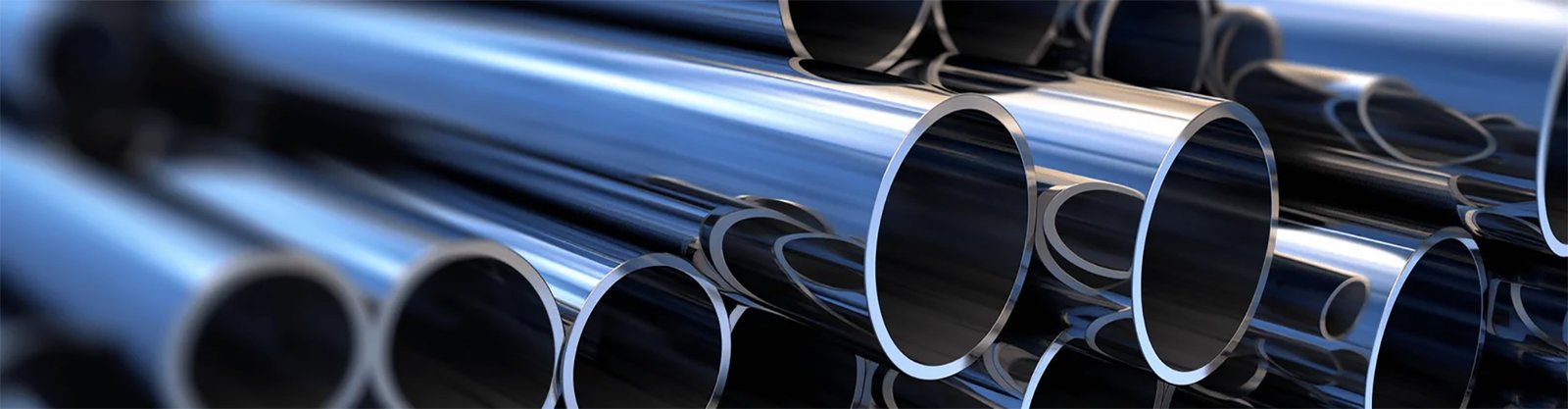
Titanium is widely used in heat exchangers, reactors, and piping systems for handling corrosive chemicals like chlorine, nitric acid, and seawater-based brines.
Marine Engineering
Offshore platforms, ship heat exchangers, and desalination plants use titanium because of its unmatched resistance to seawater corrosion.
Aerospace
Aircraft hydraulic systems and structural parts use titanium alloys to withstand harsh environments and reduce maintenance cycles.
Power Generation
Titanium is used in condenser tubes in power plants where seawater is the cooling medium.
Medical Field
Titanium implants and prosthetics benefit from corrosion resistance in biological fluids, ensuring patient safety and implant longevity.
Processing and Surface Treatments to Enhance Corrosion Resistance
While titanium’s natural oxide film is already protective, additional surface treatments can enhance corrosion resistance:
-
Anodizing: Thickens the oxide layer for added protection.
-
Nitriding or Carburizing: Forms hard surface layers that resist both wear and corrosion.
-
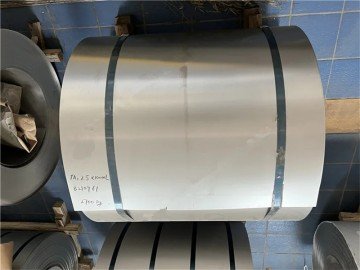
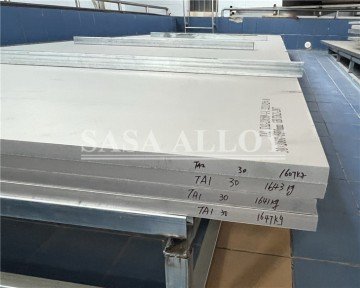
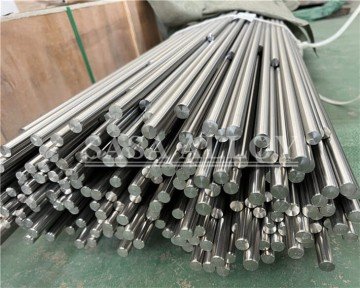
Coatings: Titanium rods or sheets may be coated with ceramics or polymers for specialized uses.
Manufacturers such as sakyalloy supply titanium materials with both natural and enhanced corrosion-resistant properties to meet industrial demands.
Case Study: Desalination Plant Success
In a Middle Eastern desalination project, stainless steel condenser tubes failed due to severe chloride-induced corrosion within two years. After switching to titanium tubing, the plant operated for over 20 years with minimal maintenance. This example highlights titanium’s superiority in marine environments where corrosion is the leading cause of equipment failure.
Future Outlook
The importance of corrosion resistance will only increase as industries expand into harsher environments, such as deep-sea exploration, renewable energy, and advanced chemical processing. Titanium and its alloys will remain at the forefront due to:
-
Sustainability: Longer service life means less material waste.
-
Compatibility with Composites: Titanium’s thermal expansion matches modern composite structures.
-
Innovative Alloys: Development of new titanium alloys with improved corrosion performance.
With global industries focusing on durability and cost efficiency, titanium’s role as a corrosion-resistant material is expected to expand further.
Conclusion
Titanium’s corrosion resistance is one of its defining characteristics, making it indispensable across industries where durability and reliability are crucial. Its self-healing oxide film provides protection against seawater, acids, alkalis, and industrial chemicals, while ensuring safety in medical implants and aerospace systems.
Although there are limitations in certain reducing acids or high-temperature chlorides, proper alloying and surface treatments allow titanium to perform where few other metals can survive.
As industries continue to push the boundaries of engineering in harsh environments, titanium remains the trusted solution for long-term corrosion resistance. Companies like sakyalloy are at the forefront of supplying titanium materials that meet strict international standards, ensuring industries worldwide benefit from its unique properties.