
Could Titanium Pipe Survive Martian Conditions?
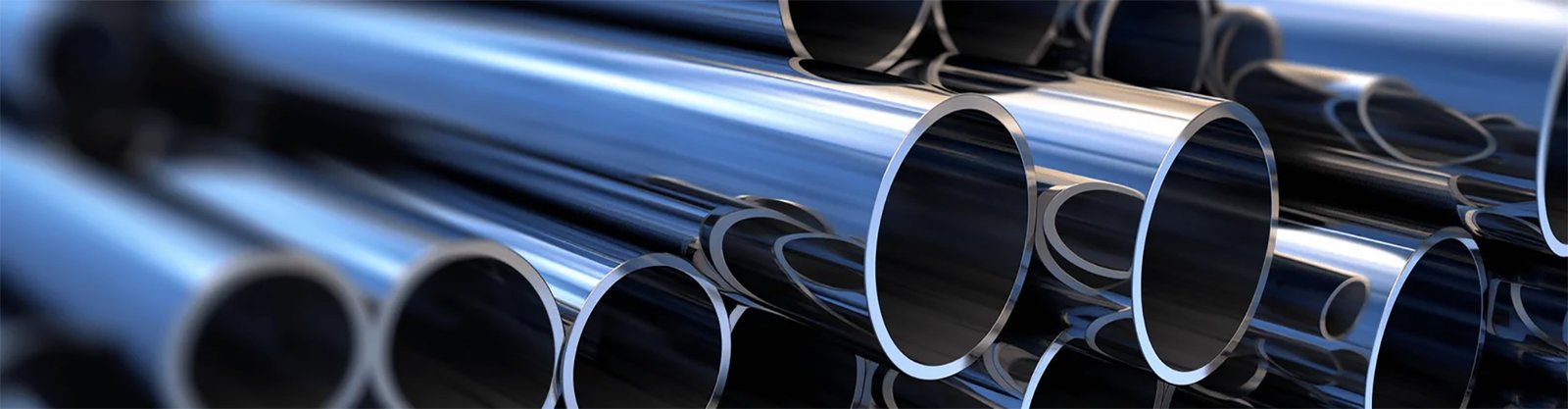
As humanity inches closer to establishing a sustainable presence on Mars, engineers and scientists are debating what materials can withstand the harsh Martian environment. Among the contenders, titanium pipe has emerged as a leading option for fluid transport systems, habitat infrastructure, and life-support circulation under extreme planetary conditions.
But the question remains: could titanium pipe truly survive on Mars—or is this just an optimistic assumption?
In this article, we’ll examine the environmental realities of Mars, the scientific strengths of titanium, and the practical challenges of deploying titanium pipe in Martian missions. We’ll also explain how sakyalloy, a trusted supplier of precision titanium pipe, contributes to developing material solutions for extreme environments—on Earth and beyond.
1. What Makes Mars So Hostile?
Before evaluating titanium pipe’s performance, we must understand the extreme conditions on Mars:
-
Average surface temperature: –63°C, dipping to –125°C at night
-
Atmosphere: 95% carbon dioxide, extremely thin (less than 1% of Earth’s pressure)
-
Radiation: No magnetic field or ozone layer; high levels of solar and cosmic radiation
-
Dust storms: Planet-wide, abrasive, and electrostatically charged
-
Gravity: 38% of Earth’s, affecting structural loading and fluid dynamics
Any pipe material used on Mars would need to withstand intense cold, constant UV exposure, pressure differentials, and corrosive dust, all while being lightweight for transport.
2. Titanium Pipe: Born for Extremes
Titanium pipe is already known on Earth for thriving where other materials fail:
-
Corrosion resistance: Resists most acids, chlorides, and oxidation
-
Cryogenic tolerance: Maintains mechanical integrity at subzero temperatures
-
High strength-to-weight ratio: Ideal for low-gravity environments like Mars
-
Thermal stability: Withstands high-heat sterilization and thermal cycling
-
Radiation resistance: Does not degrade structurally under ionizing radiation
These qualities make titanium pipe a strong candidate for Martian operations, particularly for oxygen, water, and fuel transport inside habitats or reactors.
3. Pressure Containment in a Low-Pressure World
On Mars, internal pipe pressure must resist outward failure, unlike Earth where pipe often resists inward compression. Titanium pipe is excellent under internal pressure thanks to its high yield and tensile strength.
-
A titanium pipe system for life support or oxygen delivery would likely carry gas at Earth-like pressures (1 atm) while the external environment exerts almost no counter-pressure.
-
Titanium’s ductility allows it to deform slightly without fracturing in sudden pressure drops or during launch/deployment cycles.
This makes titanium pipe ideal for sealed modules and pressurized networks in Martian habitats and greenhouses.
4. Cold Cracking? Not for Titanium
Unlike some metals that become brittle in extreme cold, titanium retains its toughness even at cryogenic temperatures. Laboratory tests and aerospace field data confirm that Grade 2 and Grade 5 titanium maintain ductility and strength down to –200°C, far below average Martian temperatures.
This performance is crucial for pipes used outdoors on Mars—such as those connecting solar thermal units, cryogenic fuel tanks, or scientific instruments exposed to the Martian atmosphere.
5. Resistance to Martian Dust and Radiation
Mars is covered in fine, iron-rich dust, known to damage mechanical systems via abrasion, chemical reaction, and electrical charge. Titanium’s natural oxide layer (TiO₂) provides:
-
Surface hardness, which resists particle abrasion
-
Chemical passivity, which reduces reactivity with iron oxides and perchlorates
-
Electrochemical stability, which prevents static charge accumulation and sparks
Additionally, titanium is not significantly degraded by solar UV or cosmic radiation, making it superior to polymers or unshielded alloys.
sakyalloy has already supplied titanium piping for environments with high UV exposure and particulate contamination—knowledge that informs the development of Martian-capable components.
6. Weight, Logistics & Space Readiness
Weight is the enemy of space travel. Every kilogram sent to Mars costs fuel and money. Titanium, being 45% lighter than steel but just as strong, reduces payload weight for:
-
Habitat piping
-
Water recycling systems
-
Propellant transport lines
-
Structural tubing for inflatable modules
Moreover, titanium pipe can be fabricated as thin-walled tubing while still retaining strength, making it more space-efficient for stowage and transport.
7. Welding and Assembly on Mars
Can titanium pipe be joined effectively in Martian conditions?
-
On Earth, titanium requires inert gas shielding (argon) to prevent oxidation during welding.
-
In a Martian base, automated welding under sealed conditions is feasible—and titanium’s clean joining behavior under such systems makes it a prime candidate.
-
Additionally, titanium’s compatibility with additive manufacturing (3D printing) means spare parts or joints can be printed in situ using Martian resources or recycled titanium waste.
These possibilities point to repairable, modular titanium piping systems well-suited for long-duration Mars missions.
8. Potential Use Cases for Titanium Pipe on Mars
Here are practical systems where titanium pipe could be indispensable:
-
ISRU (In-situ Resource Utilization): Pipes for oxygen/hydrogen separation via electrolysis
-
Greenhouses: CO₂ delivery and thermal regulation circuits
-
Habitat infrastructure: Wastewater and potable water transport
-
Radiator loops: Thermal control systems exposed to the Martian surface
-
Fuel transport: Methane/oxygen lines for return rockets or generators
Its flexibility, combined with durability, makes titanium pipe a backbone material for sustaining life and research operations.
9. How sakyalloy Supports Space-Grade Titanium Supply
sakyalloy, a global supplier of titanium materials, is already equipped to meet the precision and reliability standards needed for space-level applications:
-
Certified grades: Grade 2, Grade 5 (Ti-6Al-4V), Grade 7
-
Conformance to ASTM B338, B861, and ASME SB specifications
-
Optional EN 10204 3.1 / 3.2 certifications
-
Customized wall thickness, diameters, and heat treatment upon request
sakyalloy also supports clients with technical consultations to match material properties to mission profiles—whether it’s a chemical plant in the desert or a prototype system headed to a Martian simulation facility.
Conclusion: Ready for the Red Planet?
So, could titanium pipe survive Martian conditions?
Yes. Scientifically, structurally, and practically, titanium is one of the best materials available for Martian infrastructure. It withstands extreme cold, corrosion, radiation, and pressure imbalance—all while remaining light enough to transport and strong enough to trust.
As space exploration advances and Mars transitions from fiction to reality, titanium pipe from sakyalloy may well be part of the systems that sustain human life on another planet.
In the race for off-world innovation, the materials we choose will shape the future. With titanium, we’re already on the right track.