
Detecting Stress and Cracks in Titanium Pipe
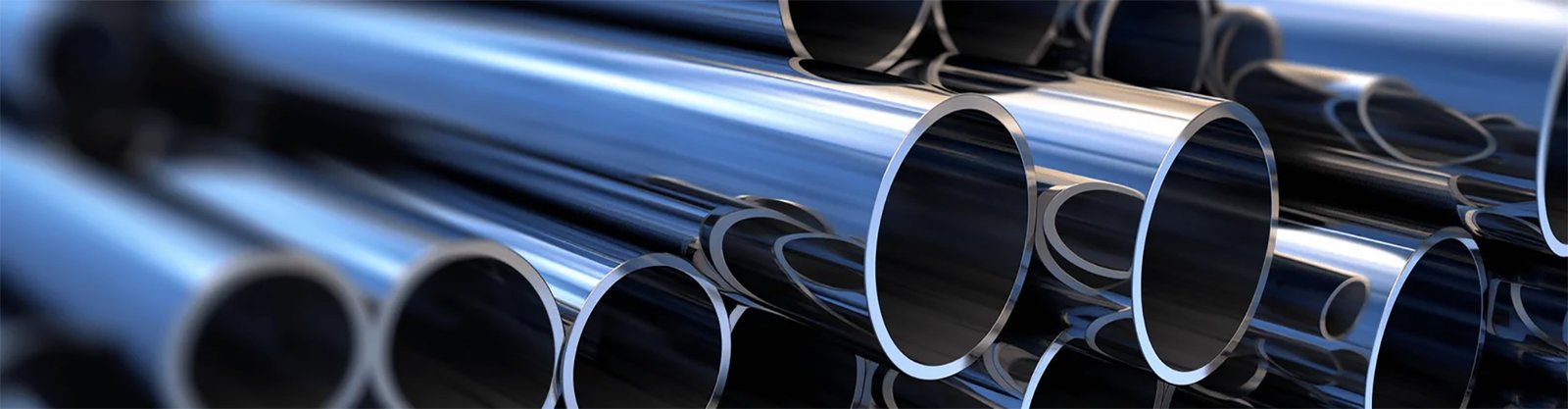
Titanium pipes are essential in industries that demand high strength, excellent corrosion resistance, and long-term durability. Sectors such as aerospace, marine engineering, chemical processing, and power generation often rely on titanium pipe systems to ensure reliable and safe operation. Despite titanium’s superior properties, stress and cracks can still develop over time due to various factors, posing risks to system integrity and safety.
In this article, we will explore the causes of stress and cracking in titanium pipes, common detection methods, and best practices for inspection and maintenance. We will also highlight how working with trusted suppliers like sakyalloy ensures the quality and traceability of titanium pipes, reducing the risk of hidden defects.
Why Stress and Crack Detection Is Important
Titanium pipes often operate in critical environments where failure could have serious consequences. Early detection of stress and cracks helps:
-
Prevent catastrophic failure that could lead to injury, environmental harm, or equipment loss.
-
Ensure compliance with safety and quality standards (ASME, ASTM, ISO).
-
Minimize costly downtime through proactive maintenance.
-
Extend the lifespan of piping systems by addressing issues before they worsen.
Proactive crack detection is a vital part of any titanium piping maintenance program.
Common Causes of Stress and Cracks in Titanium Pipe
Even though titanium is resistant to corrosion and fatigue, certain conditions can lead to stress accumulation and cracking:
1. Thermal Cycling
Frequent changes in temperature cause expansion and contraction. Over time, this can introduce thermal stress, particularly at joints, bends, or welds.
2. Vibration Fatigue
In applications where pipes are subjected to constant vibration — such as marine systems or industrial machinery — cyclic loading can initiate cracks at high-stress points.
3. Poor Fabrication or Welding
If titanium welding is not performed correctly (e.g., improper shielding gas protection or contamination), defects may develop that act as crack initiation sites under stress.
4. Mechanical Damage
Impacts during transport, installation, or maintenance can introduce stress concentrations or microcracks that propagate over time.
5. Localized Corrosion
Although titanium is corrosion-resistant, crevice corrosion or galvanic effects (if connected to dissimilar metals without isolation) can create weak points where cracks may develop.
Methods for Detecting Stress and Cracks in Titanium Pipe
Detecting stress and cracks in titanium pipe requires a combination of techniques to identify both surface and subsurface flaws.
Visual Inspection
-
Regular visual inspections help identify surface defects, discoloration, or deformation that could indicate underlying stress.
-
Special attention should be paid to weld seams, bends, supports, and transition areas.
-
Use magnification or borescopes for hard-to-reach areas.
While visual inspection is important, it often cannot reveal microcracks or subsurface defects.
Dye Penetrant Testing (PT)
-
A dye penetrant is applied to the clean surface of the pipe.
-
After a dwell period, the dye is wiped off, and a developer is applied, making cracks visible as colored lines or spots.
-
Ideal for detecting surface-breaking cracks, especially around welds.
Dye penetrant testing is simple and effective for surface crack detection but does not identify internal flaws.
Ultrasonic Testing (UT)
-
High-frequency sound waves are sent through the pipe wall.
-
Reflections from cracks, inclusions, or voids are analyzed to locate and size subsurface defects.
-
Highly effective for finding internal cracks that are invisible on the surface.
Ultrasonic testing requires trained operators but offers accurate, non-destructive evaluation.
Radiographic Testing (RT)
-
X-rays or gamma rays are passed through the pipe.
-
Internal flaws, porosity, or cracks appear as dark areas on the radiograph.
-
Provides a permanent inspection record.
Radiographic testing is often used for critical weld inspections but requires strict safety controls.
Acoustic Emission Testing
-
Sensors detect high-frequency sounds emitted by the material as cracks grow or stress is released.
-
Useful for continuous monitoring during pressure testing or service.
This method can identify active crack propagation before failure occurs.
Best Practices for Detecting Stress and Cracks
1. Combine Inspection Techniques
No single method detects all types of defects. A combination of visual, penetrant, ultrasonic, and radiographic testing provides comprehensive coverage.
2. Schedule Regular Inspections
Create an inspection schedule based on:
-
Service conditions (pressure, temperature, vibration).
-
Industry standards (ASME B31.3, API codes, etc.).
-
Manufacturer recommendations.
3. Document All Findings
Maintain detailed records of inspections, defects found, and corrective actions taken. This history helps identify patterns and plan preventative maintenance.
4. Use Qualified Personnel
Inspection of titanium pipes requires trained and certified inspectors familiar with titanium’s properties and the nuances of non-destructive testing.
5. Source High-Quality Material
Starting with premium titanium pipe reduces the risk of defects that can lead to stress and cracking. sakyalloy supplies titanium pipes with:
-
Certified chemical composition and mechanical properties.
-
Full traceability and mill test certificates.
-
Technical support on material selection and handling.
Preventing Stress and Cracks
Detection is essential, but prevention is even better. To minimize the risk of stress and cracks:
-
Design piping systems carefully, avoiding sharp transitions or unsupported spans.
-
Ensure proper welding techniques, using clean environments and correct shielding gas to prevent weld defects.
-
Install vibration dampeners and adequate supports to reduce fatigue stress.
-
Isolate titanium from dissimilar metals to prevent galvanic corrosion.
-
Protect pipes from mechanical damage during handling and installation.
By combining smart design, correct material handling, and regular inspections, operators can significantly reduce the risk of cracks and failures.
The Role of a Trusted Supplier
Quality materials are the first defense against stress and cracking. sakyalloy provides:
-
Titanium pipe produced to international standards (ASTM B861, ASTM B862, etc.).
-
Full certification and traceability to support regulatory compliance.
-
Expert guidance on material selection, welding procedures, and maintenance practices.
By partnering with a reliable supplier, operators can ensure their titanium pipe systems are built to last and easier to inspect and maintain.
Conclusion
Detecting stress and cracks in titanium pipe is a vital part of maintaining safe and reliable systems in critical industries. By implementing a structured inspection program, using the right detection methods, and sourcing high-quality materials from trusted suppliers like sakyalloy, operators can protect their investments and prevent unexpected failures.
Titanium pipe systems are built for long-term performance — proactive inspection and maintenance ensure they deliver on that promise in even the most demanding environments.