
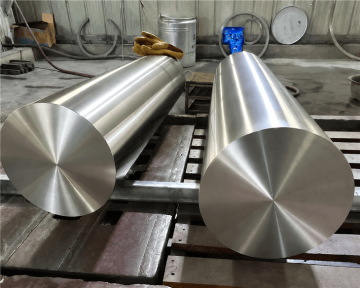
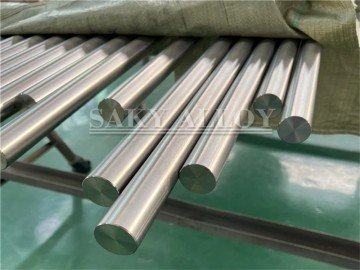
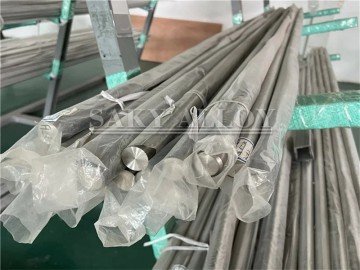
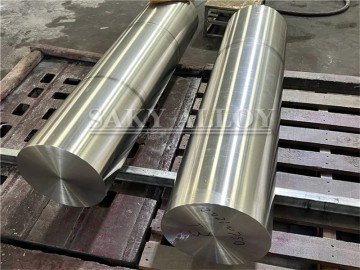
Does G23 Titanium Tarnish?
Titanium has long been valued as a high-performance material in aerospace, medical, and jewelry industries due to its unique combination of strength, lightweight properties, and corrosion resistance. One specific grade that has gained significant popularity in recent years is G23 titanium, also known as Grade 23 titanium or Ti-6Al-4V ELI (Extra Low Interstitials). This alloy is widely used in biomedical implants, body jewelry, and high-end applications where safety, durability, and aesthetics are equally important.
One of the most frequently asked questions about this material is: does G23 titanium tarnish? Understanding this question is essential for industries, consumers, and medical professionals alike. This article provides a comprehensive explanation of the tarnishing behavior of G23 titanium, its chemical properties, applications, and maintenance guidelines.
What is G23 Titanium?
G23 titanium is an alloy of titanium combined with small amounts of aluminum and vanadium. Its full designation is Ti-6Al-4V ELI, which means it contains:
-
Approximately 6% Aluminum
-
Approximately 4% Vanadium
-
Extra-low levels of oxygen, carbon, nitrogen, and iron (interstitials)
These characteristics make G23 titanium even more biocompatible and corrosion-resistant than standard titanium alloys. It is considered medical-grade titanium and is widely used in implants, surgical tools, and body jewelry.
What is Tarnish?
Tarnish is a thin layer of corrosion that forms on the surface of metals, often due to reaction with oxygen, moisture, or chemicals in the environment. Common examples include silver turning black and copper turning green. Tarnish affects both the appearance and, in some cases, the functionality of metals.
Does G23 Titanium Tarnish?
The straightforward answer is no, G23 titanium does not tarnish in the same way that metals like silver or copper do. This is because titanium naturally forms a stable and protective oxide layer when exposed to oxygen.
Why G23 Titanium Resists Tarnishing:
-
Protective Oxide Layer
Titanium instantly forms a thin, transparent oxide film when exposed to air. This film prevents further oxidation and acts as a natural shield against tarnish. -
High Corrosion Resistance
G23 titanium withstands exposure to water, sweat, saline environments, and even many acids without corroding or tarnishing. -
Biocompatibility
Because of its low interstitial elements, G23 titanium is especially stable in biological environments, resisting reactions that could cause discoloration or tarnish. -
Durability Over Time
Unlike softer metals, G23 titanium does not degrade or lose its luster easily, even after prolonged use.
Situations That May Affect Surface Appearance
Although G23 titanium does not tarnish in the traditional sense, there are a few conditions that might alter its surface appearance:
-
Surface Oxidation Colors: Titanium can display different colors when heat-treated or anodized due to changes in the thickness of its oxide layer. This is not tarnish but a controlled effect.
-
Surface Contaminants: Dirt, oil, or residues from skin contact may give titanium a dull look but can easily be cleaned.
-
Harsh Chemicals: Prolonged exposure to strong acids (not typical in daily use) could affect the surface finish.
Why G23 Titanium is Popular in Jewelry and Medical Applications
-
Hypoallergenic Properties: It does not react with skin, making it ideal for piercings and implants.
-
Long-Lasting Shine: Maintains its appearance without tarnishing, unlike silver or plated metals.
-
Strength and Lightweight: Offers durability without the heaviness of steel.
-
Low Maintenance: Requires minimal cleaning and care to retain its finish.
Comparing G23 Titanium with Other Materials
-
Titanium vs Silver: Silver tarnishes quickly when exposed to air and moisture, while titanium remains stable.
-
Titanium vs Stainless Steel: Stainless steel resists tarnish but may contain nickel, which can cause allergic reactions. Titanium is fully biocompatible.
-
Titanium vs Gold: Gold does not tarnish, but it is softer and more prone to scratching than titanium.
Maintenance of G23 Titanium Products
Even though G23 titanium does not tarnish, maintaining its shine involves simple care steps:
-
Regular Cleaning: Wash with mild soap and water, then dry with a soft cloth.
-
Avoid Harsh Chemicals: Minimize exposure to chlorine or industrial cleaners.
-
Polishing Cloths: Use a non-abrasive polishing cloth if the surface appears dull.
-
Storage: Store in a dry environment to prevent dirt or residue buildup.
Applications of G23 Titanium
The tarnish resistance of G23 titanium makes it suitable for:
-
Body Jewelry: Piercings, earrings, and studs that remain safe and shiny over years.
-
Medical Implants: Orthopedic screws, plates, and dental implants.
-
Aerospace: High-stress components where corrosion resistance is vital.
-
Marine Industry: Fittings and parts exposed to seawater.
Why Work with Trusted Suppliers
When sourcing G23 titanium fittings, implants, or jewelry, quality assurance is crucial. Trusted suppliers like sakyalloy ensure compliance with ASTM and ISO standards, providing titanium products that maintain their integrity without tarnishing. Partnering with sakyalloy gives industries and consumers confidence in durability, safety, and long-term performance.
Conclusion
So, does G23 titanium tarnish? The answer is no. Thanks to its unique oxide layer and superior chemical stability, G23 titanium remains resistant to tarnishing, corrosion, and discoloration. This makes it a reliable choice for medical, aerospace, and jewelry applications where both performance and appearance matter.
For anyone seeking a durable, hypoallergenic, and long-lasting material, G23 titanium stands out as one of the best options available. Its resistance to tarnish not only ensures aesthetics but also contributes to safety and functionality in demanding environments.