
Does Titanium Pipe Rust? Corrosion Resistance Explained
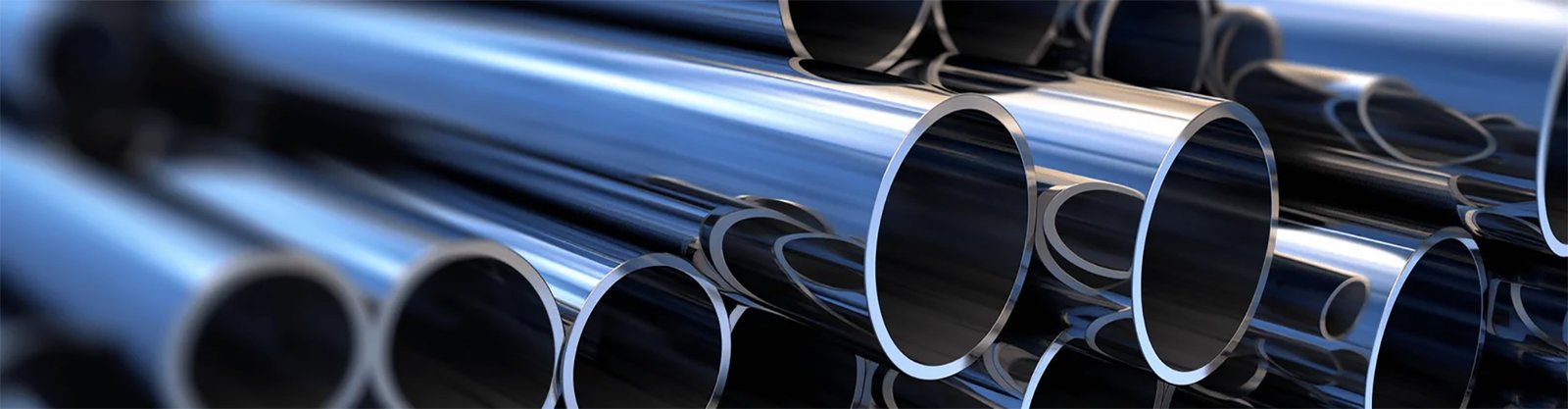
Titanium is widely known for its strength, lightness, and excellent corrosion resistance. Among various industrial materials, titanium pipe stands out as one of the most reliable solutions in harsh environments. But many still ask the question: Does titanium pipe rust?
In this article, we explore the corrosion behavior of titanium, its resistance to rust, and why it is a preferred material in marine, chemical, and aerospace applications. This technical overview is brought to you by sakyalloy, a trusted supplier of high-performance titanium piping solutions.
What Is Rust?
Before answering whether titanium rusts, it’s important to define what rust actually is. Rust is the reddish-brown corrosion product that forms when iron or iron alloys, like steel, react with oxygen and moisture. Chemically, rust is iron oxide (Fe₂O₃).
Because rust is iron-dependent, materials that do not contain iron, like titanium, do not rust in the traditional sense.
Does Titanium Pipe Rust?
The short answer is no, titanium pipe does not rust.
Titanium is a non-ferrous metal, meaning it contains no iron. Therefore, it cannot form iron oxide (rust). Instead, when titanium is exposed to oxygen—even in trace amounts—it forms a stable, self-healing oxide layer (TiO₂) on its surface.
This oxide layer acts as a protective shield, preventing further corrosion and giving titanium its legendary resistance to corrosive environments.
sakyalloy supplies titanium pipes with this natural oxide layer intact, and even under mechanical stress, the layer regenerates quickly—further enhancing the pipe’s long-term durability.
Why Titanium Is Exceptionally Corrosion-Resistant
Titanium’s corrosion resistance lies in its:
-
Passivation behavior – Forms an immediate oxide film when exposed to air or water
-
Low reactivity – Does not react easily with most acids, bases, or salts
-
Surface stability – Maintains its integrity in both oxidizing and reducing environments
These properties make titanium suitable for exposure to:
-
Seawater
-
Chloride-rich environments
-
Sulfuric and nitric acids
-
Brine and desalination systems
-
Organic chemicals
Unlike stainless steel, titanium resists pitting, crevice corrosion, and stress corrosion cracking, which makes it a favorite material for offshore oil rigs, chemical reactors, and ship components.
Titanium vs Other Metals: Corrosion Resistance Comparison
Let’s compare how titanium stacks up against other commonly used metals:
-
Carbon Steel: Prone to rusting unless protected with coatings or cathodic systems
-
Stainless Steel: Corrosion-resistant but can suffer from pitting in chloride environments
-
Aluminum: Lightweight and corrosion-resistant, but weaker in acidic or alkaline conditions
-
Titanium: Immune to rust, and resists both acidic and marine environments better than most metals
sakyalloy provides titanium pipes as a superior alternative to stainless steel or copper alloys when corrosion control is a top priority.
Real-World Applications of Titanium’s Corrosion Resistance
Thanks to its immunity to rust and corrosive damage, titanium pipe is trusted in:
-
Marine Systems: Titanium piping in seawater desalination plants remains corrosion-free even after decades of service
-
Chemical Processing: Titanium resists sulfuric, nitric, and hydrochloric acid environments where other metals fail
-
Aerospace: Jet engine components and hydraulic lines use titanium for both strength and corrosion protection
-
Medical Devices: Titanium pipes and fittings are used in implants and sterile processing due to their bio-inert nature
sakyalloy has long served clients in these sectors with corrosion-resistant titanium pipe solutions certified to ASTM B861 and other international standards.
Does Titanium Corrode at All?
While titanium is incredibly resistant, it’s not 100% immune in all scenarios. Under certain extreme conditions, such as:
-
Exposure to hydrofluoric acid (HF)
-
Contact with hot, concentrated hydrochloric acid
-
In reducing environments without oxygen, where the oxide layer cannot form
In such rare environments, even titanium may experience limited corrosion. However, these cases are highly specialized and can be managed by appropriate material selection or alloy enhancement.
sakyalloy provides expert consultation to ensure that the correct titanium grade is chosen for your application’s unique chemistry.
Maintenance and Lifespan of Titanium Pipe
One of the reasons titanium is so valuable is its low maintenance:
-
No need for coatings or linings
-
No need for cathodic protection
-
Minimal cleaning due to biofouling resistance
-
Long service life, often exceeding 20–30 years even in aggressive media
While the upfront cost of titanium pipe is higher than standard alloys, the total cost of ownership is significantly lower due to reduced downtime, repair costs, and replacement frequency.
Summary: Key Takeaways
-
Titanium pipe does not rust because it contains no iron and forms a protective oxide layer
-
It offers superior corrosion resistance in seawater, chemical environments, and high-stress applications
-
Compared to stainless steel and carbon steel, titanium performs better in aggressive media
-
Maintenance costs are minimal, and service life is among the longest of all piping materials
For any application where corrosion is a major concern, titanium is one of the most reliable and cost-effective choices in the long run.
Conclusion
If you’re seeking a piping material that won’t rust, offers exceptional corrosion resistance, and delivers decades of reliable service, look no further than titanium. Whether you’re operating in a marine, chemical, medical, or industrial setting, titanium pipe offers a future-proof solution against corrosion challenges.
At sakyalloy, we provide premium-grade titanium pipes manufactured to meet the highest industry standards, along with expert technical support to help you select the right material for your environment.
Choose sakyalloy for titanium that stands the test of time—strong, lightweight, and completely rust-free.