
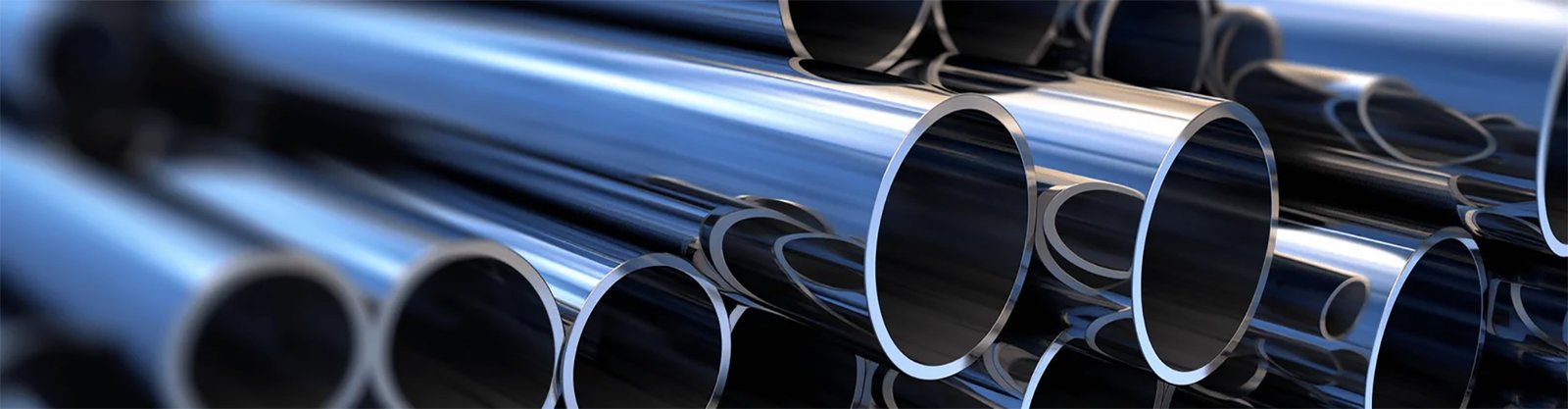
Ensuring Stability and Seal Integrity in Pipeline Connections with Titanium Alloy Gr 5 Buttweld Fittings.
In engineering projects, the correct selection and application of Titanium Alloy Gr 5 Buttweld Fittings are crucial for the long-term stability of pipeline systems. This article explores key steps and best practices to ensure the stability and seal integrity of pipeline connections.
1. Analysis of Working Environment and Fluid Characteristics
Understanding the working environment where the pipeline will be used is essential. Consider factors such as temperature, pressure, and the nature of the fluid medium to determine the suitability of Titanium Alloy Gr 5. Ensure that the pipeline system’s design aligns with engineering requirements.
2. Selection of Appropriate Fitting Types
Based on the pipeline layout and system requirements, choose the appropriate types of buttweld fittings, such as elbows, tees, reducers, etc. Ensure that the selected fittings comply with the system design and relevant specifications.
3. Adherence to Standards and Specifications
Ensure the use of Titanium Alloy Gr 5 Buttweld Fittings that comply with relevant standards and specifications, such as the ASTM B363/B363M standard. This helps ensure that the manufacturing and installation of fittings align with engineering standards.
4. Correct Welding Procedures
Employing the correct welding procedures is crucial to guarantee the stability and seal integrity of pipeline connections. Follow the manufacturer’s recommendations and standard engineering practices for welding to ensure high-quality welds.
5. Quality Control and Inspection
Implement quality control measures during manufacturing and installation, including necessary non-destructive testing such as ultrasonic testing to detect potential hidden defects. This helps ensure the quality of Titanium Alloy Gr 5 Buttweld Fittings.
6. Proper Fastening and Sealing
Use appropriate tightening forces, avoiding over-tightening. Ensure the use of correct gaskets and seals to guarantee the stability and seal integrity of the connection.
7. Avoidance of Material Mixing
Strive to avoid the mixing of fittings made from different materials to prevent galvanic corrosion resulting from electrochemical charge differences.
8. Regular Maintenance and Inspection
Regularly inspect the pipeline system, including buttweld fittings, to ensure its smooth operation. Regular maintenance helps prevent potential issues from arising.
9. Operator Training
Ensure that operators are adequately trained and understand the correct installation and maintenance procedures to guarantee the long-term stability of the system.