
Environmental Benefits of Titanium Piping
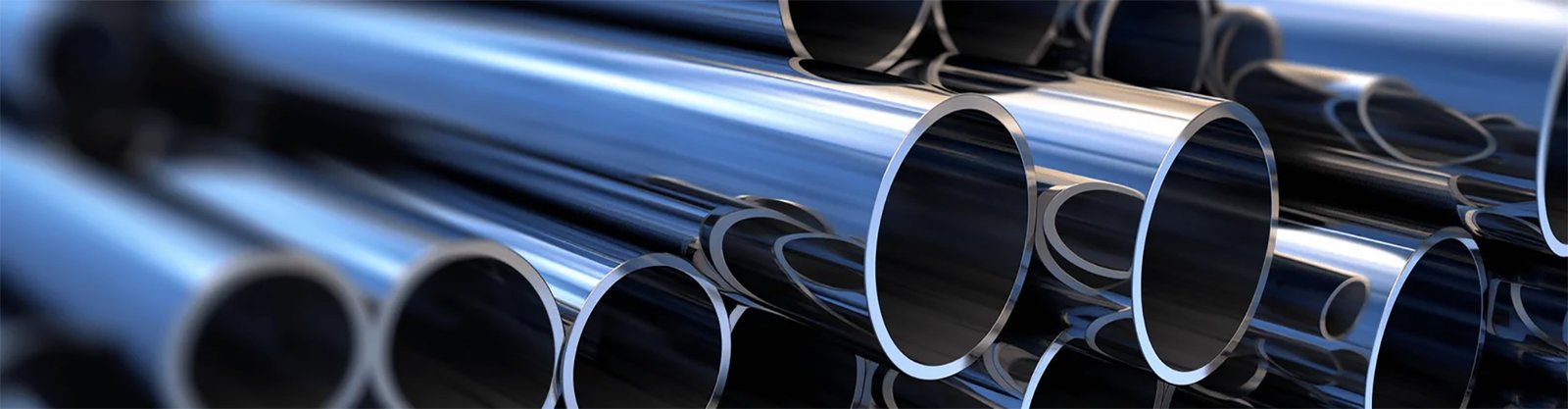
Titanium piping systems are increasingly recognized not only for their outstanding performance in challenging environments but also for their contribution to sustainable design and environmental responsibility. As industries across the globe strive to reduce carbon footprints, minimize waste, and build systems that support long-term ecological balance, titanium piping stands out as a material that aligns with these goals.
In this article, we will explore the environmental benefits of titanium piping, why titanium is considered a sustainable material choice, and how reliable suppliers like sakyalloy help industries meet both operational and environmental objectives through high-quality titanium solutions.
Durability Means Less Environmental Impact
One of the most significant environmental advantages of titanium piping is its exceptional durability. Titanium pipes offer:
-
Long service life, often lasting decades without the need for replacement.
-
Resistance to corrosion, erosion, and fatigue even in harsh chemical, marine, and industrial environments.
-
Minimal maintenance requirements, reducing the need for coatings, linings, or chemical treatments over time.
Because titanium piping systems last longer than many alternatives such as carbon steel or even stainless steel in corrosive environments, fewer resources are consumed for repairs, replacements, and maintenance materials. This longevity translates into a smaller environmental footprint over the life of the system.
Titanium’s High Strength-to-Weight Ratio Saves Resources
Titanium provides exceptional mechanical strength at nearly half the weight of steel. This offers several environmental benefits:
-
Reduced material use: Less material is needed to achieve the same strength, saving raw resources.
-
Lower transportation emissions: Lighter piping systems reduce fuel consumption during shipping and installation.
-
Easier handling: Less heavy lifting equipment may be needed on-site, minimizing energy use during installation.
Especially in large-scale or remote projects, the weight savings of titanium piping contribute to measurable reductions in environmental impact.
Corrosion Resistance Reduces Environmental Hazards
Titanium’s resistance to a wide range of corrosive substances means:
-
Fewer leaks and spills that could release harmful chemicals into the environment.
-
Reduced need for secondary containment systems that require additional materials and space.
-
Minimal reliance on protective coatings or liners, which can degrade and introduce pollutants over time.
By preventing corrosion-related failures, titanium piping helps protect soil, groundwater, and marine ecosystems from contamination.
Titanium Is 100% Recyclable
Titanium is one of the most recyclable industrial metals:
-
Scrap titanium can be fully recovered and reused in new products without losing material integrity.
-
End-of-life titanium piping can be recycled into new components, supporting the circular economy.
-
Recycling titanium requires less energy compared to producing new titanium from raw ore, helping lower carbon emissions associated with material production.
By choosing titanium piping, industries support a materials cycle that keeps valuable resources in use and reduces the demand for virgin mining.
Lower Lifecycle Carbon Footprint
Although titanium has a higher initial manufacturing energy input compared to some common metals, its long service life and low maintenance needs result in:
-
Lower total energy use over time compared to materials that require frequent replacement or intensive upkeep.
-
Reduced operational emissions, as fewer maintenance activities (such as repainting or recoating) are required.
-
Smaller quantities of replacement material needed during the lifecycle of a plant or system.
When evaluated over decades, titanium piping systems often outperform other options in lifecycle carbon footprint analyses.
Applications Where Titanium Supports Environmental Goals
Desalination and Water Treatment
Titanium pipes are widely used in desalination plants, where their corrosion resistance eliminates the need for toxic coatings or cathodic protection systems. This contributes to cleaner water production with minimal environmental side effects.
Offshore Renewable Energy
Titanium’s durability in seawater makes it ideal for offshore wind and tidal energy infrastructure. Using titanium piping and components reduces maintenance needs and the risk of environmental contamination from corrosion.
Chemical Processing
In chemical plants, titanium piping helps prevent leaks of hazardous substances, supporting safer and more environmentally responsible operations.
Clean Hydrogen and Energy Storage
Titanium piping is being adopted in hydrogen production and storage systems, where its ability to withstand aggressive conditions aligns with the environmental goals of the clean energy transition.
The Role of Trusted Suppliers in Sustainability
Selecting high-quality titanium piping is key to realizing its environmental benefits. sakyalloy supports industries in achieving sustainability objectives by:
-
Supplying certified titanium pipes that meet international standards (e.g., ASTM B861, B862), ensuring durability and long-term performance.
-
Providing full traceability and documentation to support sustainable sourcing and regulatory compliance.
-
Offering technical expertise to help clients design systems that maximize the environmental advantages of titanium piping.
By partnering with sakyalloy, operators can ensure that their titanium piping systems contribute meaningfully to both operational success and environmental stewardship.
Challenges and Considerations
While titanium piping offers clear environmental benefits, there are considerations to address:
-
Higher upfront cost: Titanium pipes are more expensive initially than alternatives like carbon steel. However, their longer service life often results in lower total cost of ownership and environmental impact over time.
-
Specialized fabrication and installation: Titanium requires skilled handling to avoid contamination and ensure system integrity. This makes supplier selection and technical support even more critical.
Conclusion
The environmental benefits of titanium piping make it an increasingly attractive choice for industries focused on sustainability, resilience, and long-term performance. From reducing lifecycle emissions to supporting circular material use through recycling, titanium pipes offer advantages that go far beyond immediate operational requirements.
By working with experienced suppliers like sakyalloy, industries can leverage the full potential of titanium piping systems to meet both technical and environmental goals. As global industries transition toward greener practices, titanium piping will continue to play a vital role in building infrastructure that is as kind to the planet as it is reliable in performance.