
Extending Lifespan of Titanium Pipes in Harsh Environments
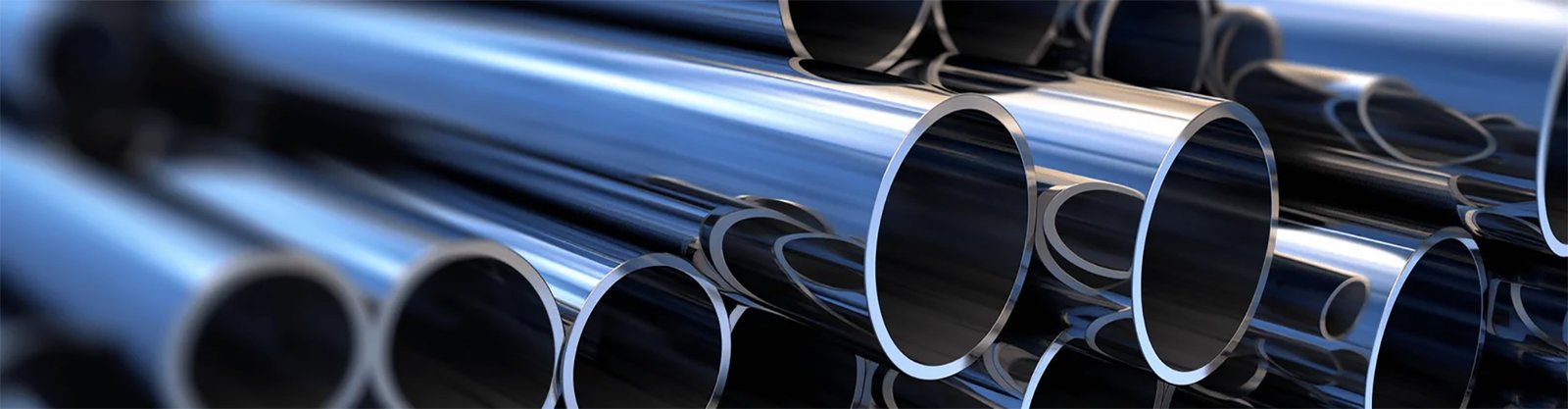
Titanium pipes are prized in industries such as marine engineering, chemical processing, power generation, and aerospace for their remarkable combination of strength, corrosion resistance, and low weight. These qualities make titanium piping systems the material of choice in harsh environments where other materials would rapidly degrade. However, even titanium pipes require proper care, thoughtful design, and proactive maintenance to ensure they reach their full potential.
In this article, we will explore key strategies for extending the lifespan of titanium pipes in harsh environments, the common threats these systems face, and how working with a trusted supplier like sakyalloy helps ensure long-term success.
Why Titanium Pipes Excel in Harsh Environments
Titanium offers a unique set of properties that make it suitable for challenging applications:
-
Excellent corrosion resistance, especially to seawater, chlorides, and many aggressive chemicals.
-
High strength-to-weight ratio, providing durability without excessive mass.
-
Resistance to erosion and biofouling, important in marine and industrial fluid systems.
-
Ability to withstand a wide temperature range without significant loss of mechanical properties.
Yet even with these advantages, titanium pipes are not maintenance-free. Understanding how to protect and maintain them is essential for longevity.
Common Challenges for Titanium Pipes in Harsh Environments
Marine and Offshore Exposure
Titanium performs well in seawater, but long-term immersion and marine biofouling can still introduce localized stress and surface deposits that require management.
Chemical Processing Fluids
Titanium resists many acids, chlorides, and other chemicals, but under certain conditions — such as in crevices or where galvanic couples exist — localized corrosion could initiate.
High Temperature and Pressure Cycling
Repeated thermal and pressure cycling in power generation or aerospace applications can create fatigue stresses, especially at welds or bends.
Mechanical Impact and Vibration
Dynamic systems or areas exposed to mechanical shocks can develop stress points that, over time, may lead to cracks or deformation.
Strategies for Extending Lifespan of Titanium Pipes
1. Design for Durability
Proper system design plays a key role in extending service life:
-
Avoid sharp bends and stress concentrators that could become fatigue initiation points.
-
Minimize dead legs and crevices where debris or chemicals can accumulate.
-
Design supports and hangers to prevent excessive movement and vibration.
2. Prevent Galvanic Corrosion
When titanium pipes are connected to dissimilar metals:
-
Use insulating gaskets, sleeves, and washers to prevent electrical contact.
-
Avoid connecting titanium directly to highly active metals like carbon steel or aluminum in wet environments.
-
Apply protective coatings to less noble metals if isolation is not feasible.
3. Regular Cleaning and Inspection
Even in resistant materials like titanium, deposits can accumulate and create localized corrosion risks:
-
Rinse pipes exposed to seawater or chlorides to remove salt deposits.
-
Clean internal surfaces as needed to prevent scaling or fouling.
-
Use non-destructive testing (such as dye penetrant or ultrasonic inspection) at intervals to check for cracks or defects, particularly at welds.
4. Maintain Protective Oxide Layer
Titanium’s corrosion resistance relies on its natural oxide film:
-
Avoid abrasive cleaning methods that could damage this layer.
-
Choose cleaning chemicals that are compatible with titanium, avoiding halides or aggressive agents that could strip protection.
-
After fabrication or repair welding, ensure proper post-weld cleaning to restore the protective oxide.
5. Monitor Operating Conditions
Operating outside of design parameters can shorten lifespan:
-
Keep pressure and temperature within specified limits to avoid fatigue damage.
-
Control flow velocities to prevent erosion.
-
Monitor vibration levels and take corrective action if excessive movement is detected.
6. Choose the Right Grade and Product
Selecting the appropriate titanium alloy for the specific environment is vital:
-
Grade 2 titanium is suitable for many general-purpose corrosion-resistant applications.
-
Grade 7 or Grade 12 may be preferred where crevice corrosion or higher strength is required.
Working with suppliers like sakyalloy ensures the correct material choice and certified quality to suit harsh environments.
7. Plan for Maintenance and Documentation
-
Develop a maintenance schedule tailored to the environment and service conditions.
-
Keep records of inspections, cleaning, repairs, and performance metrics.
-
Use this information to refine maintenance plans and predict future needs.
Benefits of Extending the Lifespan of Titanium Pipes
When you implement the right strategies to protect titanium pipes:
-
Reduce lifecycle costs by minimizing repairs and replacements.
-
Improve system reliability, ensuring consistent performance in critical operations.
-
Enhance safety, reducing the risk of failures that could harm personnel or the environment.
-
Support sustainability goals by maximizing the use of durable, recyclable materials.
The Role of a Trusted Supplier
High-quality materials are the foundation of long-lasting titanium piping systems. sakyalloy plays an essential role in helping clients achieve extended service life:
-
Supplies titanium pipes with certified chemical composition, mechanical properties, and surface quality.
-
Provides full traceability and documentation to support regulatory and customer requirements.
-
Offers technical guidance on material selection, joining techniques, and maintenance practices for harsh environments.
By sourcing from sakyalloy, operators can be confident that they are starting with material designed for durability and supported by expertise.
Conclusion
Extending the lifespan of titanium pipes in harsh environments requires a combination of smart design, proactive maintenance, careful monitoring, and the use of high-quality materials. By addressing potential threats such as galvanic corrosion, fatigue, and fouling early, and by working with experienced suppliers like sakyalloy, you can ensure that your titanium piping systems deliver reliable, cost-effective performance for decades — even in the world’s most challenging conditions.
Whether in offshore platforms, chemical plants, or high-tech facilities, titanium piping systems are an investment worth protecting. With the right approach, you can maximize that investment’s value over the long term.