
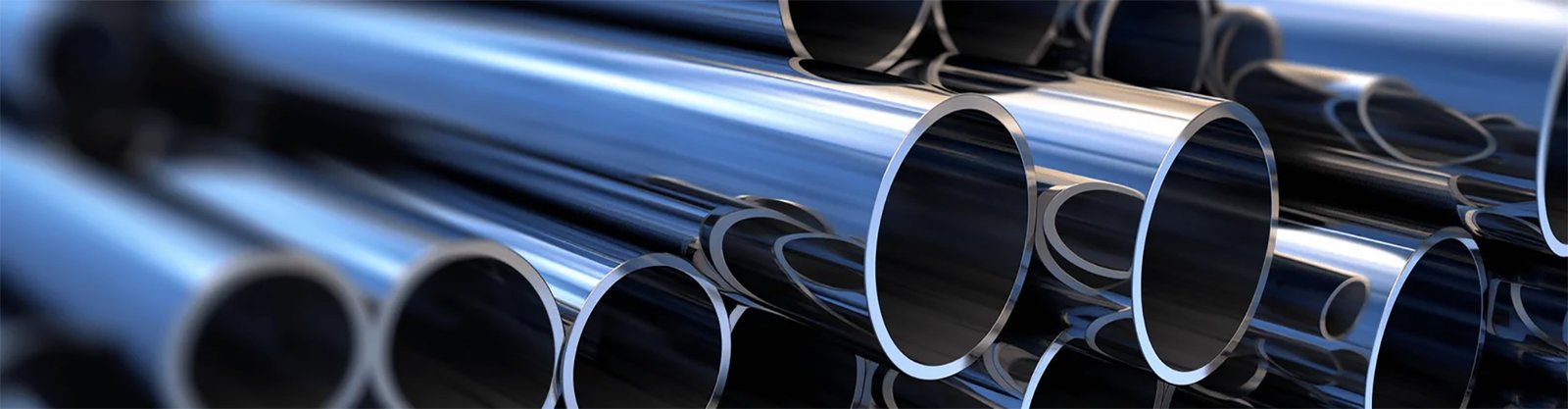
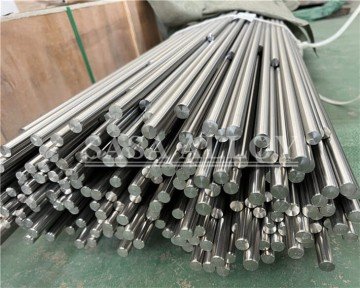
Global Trends in Corrosion-Resistant Titanium Bars
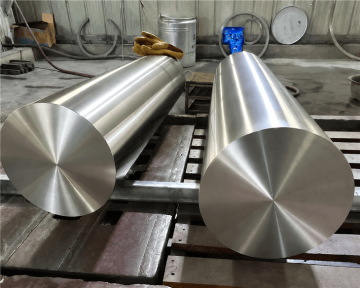
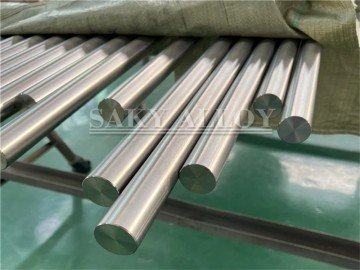
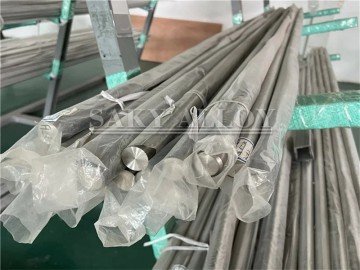
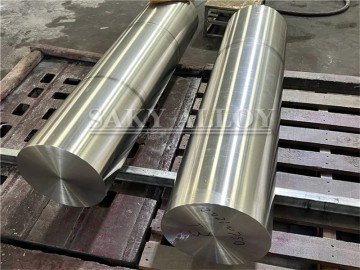
As global industries continue to evolve toward higher efficiency, cleaner production, and longer-lasting materials, corrosion-resistant titanium bars have emerged as a critical component across several major sectors. The increasing need for durability in harsh environments, combined with advancements in manufacturing and stricter performance standards, has fueled a remarkable rise in the use of titanium alloys. Among these, corrosion-resistant grades such as Titanium Grade 2, Grade 5, Grade 7, and Grade 11 are experiencing accelerated growth worldwide. Supported by leading manufacturers such as sakyalloy, this market expansion reflects a larger shift toward advanced materials capable of meeting demanding industrial challenges.
Growing Demand Across High-Corrosion Industries
One of the strongest global trends is the rising adoption of corrosion-resistant titanium bars in industries regularly exposed to aggressive chemical and environmental conditions. Oil and gas, chemical processing, desalination, aerospace, power generation, and marine engineering are among the largest consumers. These industries face exposure to seawater, strong acids, chlorides, oxidizing agents, and extreme temperature variations that cause conventional alloys to fail prematurely.
Titanium bars provide unparalleled corrosion resistance due to their stable oxide surface film, high strength-to-weight ratio, and long-term reliability. As industry requirements intensify and plants operate under increasingly demanding conditions, titanium becomes an essential choice for ensuring operational safety and reducing long-term maintenance costs.
Trend 1: Rising Use in Marine and Offshore Applications
The global shift toward offshore energy exploration, subsea infrastructure, and marine transportation has significantly boosted the demand for titanium bars. Marine environments are highly corrosive due to saltwater, biofouling, and cyclic temperature exposure. Titanium’s remarkable resistance to seawater corrosion makes it ideal for:
• Offshore platform equipment
• Subsea hydraulic systems
• Fasteners and structural components
• Propulsion system parts
• Heat exchangers
Unlike stainless steels, which often suffer from pitting and crevice corrosion, titanium maintains its integrity even during decades of exposure. With increasing offshore investments globally, titanium usage is expected to rise steadily.
Trend 2: Chemical Processing Industry Accelerates Adoption
Chemical processing is another major driver of growth, as plants require materials capable of resisting strong acids, chlorides, and complex chemical solutions. Titanium bars, particularly palladium-stabilized grades like Grade 7 and Grade 11, provide superior resistance in reducing and oxidizing environments.
Chemical plants prefer titanium for:
• Acid circulation systems
• Heat exchanger tubing
• Pumps, valves, and reactor components
• Chlor-alkali production
• Fertilizer and specialty chemical manufacturing
As the chemical industry grows worldwide and facilities modernize their equipment, titanium demand continues to increase. Manufacturers like sakyalloy have expanded their titanium bar production to support this trend.
Trend 3: Growth in Desalination and Water Treatment Technologies
Global freshwater shortages have led to rapid expansion of desalination plants, especially in the Middle East, Asia-Pacific, and coastal regions. Titanium’s excellent performance in seawater, brine, and chlorine-rich environments makes it the preferred material for desalination components.
Key applications include:
• High-pressure pumps
• Heat exchangers
• Brine recirculation systems
• Evaporator structures
• Reverse osmosis equipment
Corrosion-resistant titanium bars help ensure long service life and reduce the cost of ownership, making titanium integral to modern water treatment technology.
Trend 4: Increasing Demand in Aerospace and Defense
The aerospace industry’s focus on lightweight yet corrosion-resistant materials has boosted titanium usage. Aircraft structures, landing gear components, fasteners, and engine parts rely on titanium’s high strength, low density, and corrosion resistance.
Aerospace manufacturers increasingly require:
• Superior fatigue resistance
• Reduced maintenance requirements
• Materials capable of withstanding extreme heat and pressure
• Low weight to improve fuel efficiency
As global aircraft production expands, titanium bar consumption is expected to remain on an upward trajectory.
Trend 5: Renewable Energy and Sustainable Engineering
The global push toward sustainability is driving significant research and development in renewable energy. Titanium plays a growing role in this transformation due to its durability under harsh environmental conditions.
Applications include:
• Geothermal power systems
• Solar energy structural supports
• Hydrogen production and storage
• Biomass processing equipment
Hydrogen technology, in particular, relies heavily on corrosion-resistant titanium bars due to the risk of hydrogen embrittlement in other alloys. As hydrogen infrastructure expands, titanium demand is expected to increase dramatically.
Trend 6: Expansion of Medical and Biomedical Applications
Titanium’s biocompatibility and corrosion resistance make it essential in medical device manufacturing. There is growing demand for titanium bars used in:
• Orthopedic implants
• Spinal fixation systems
• Surgical instruments
• Dental implants
Medical-grade titanium ensures long-term stability and compatibility with human tissue, making it one of the most widely adopted materials in modern healthcare engineering.
Trend 7: Advancements in Titanium Manufacturing Technologies
Technological innovation has played a major role in expanding titanium applications worldwide. Improvements in melting technology, precision forging, machining, and material purity have made titanium more accessible and cost-effective.
Key developments include:
• Electron beam and vacuum arc remelting
• High-precision forging and rolling
• Enhanced alloy development
• Digital inspection and quality traceability
These innovations improve the performance and consistency of titanium bars, opening new opportunities across industries.
Trend 8: Strong Growth in Asian and Middle Eastern Markets
Emerging economies in Asia and the Middle East are driving a significant share of global titanium consumption. Rapid industrialization, infrastructure development, and large-scale investments in energy and chemical industries have led to increased demand for corrosion-resistant materials.
China, India, South Korea, Saudi Arabia, and the UAE are among the fastest-growing markets for titanium bars. Their expanding industrial capacity and modernization efforts contribute significantly to global consumption trends.
Future Outlook: Titanium Demand Expected to Accelerate
Industry forecasts indicate that demand for corrosion-resistant titanium bars will continue rising due to:
• The transition to sustainable and clean manufacturing
• Increased investment in offshore and marine industries
• Growing chemical production capacity
• Expansion of desalination plants
• Advancements in hydrogen and renewable energy technologies
Titanium’s unique combination of corrosion resistance, strength, and durability ensures its continued importance in the global materials landscape.
Conclusion
Corrosion-resistant titanium bars are becoming essential across multiple industries as global demand for high-performance materials grows. From marine engineering and chemical processing to aerospace, renewable energy, and medical technology, titanium continues to set the standard for long-term reliability in harsh environments. With technological innovation and market expansion accelerating worldwide, the future of titanium materials remains promising. As leading manufacturers improve production capabilities and support global supply chains, titanium will continue shaping the next generation of industrial engineering.