
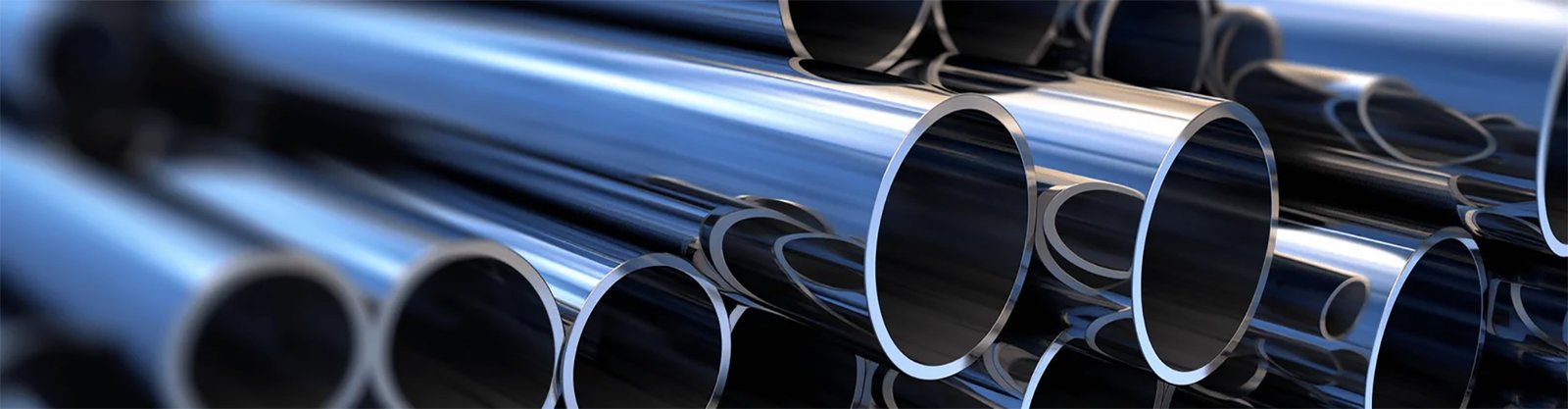
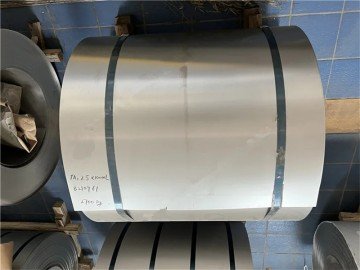
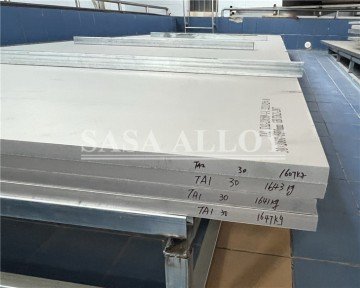
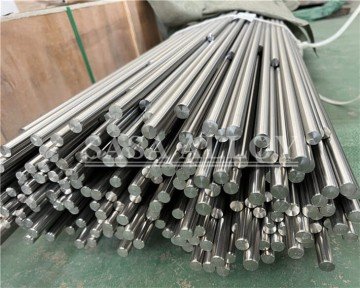
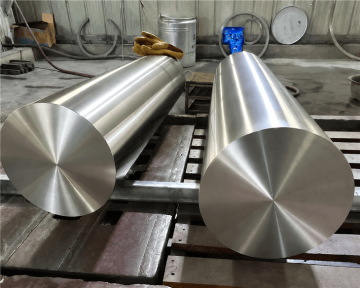
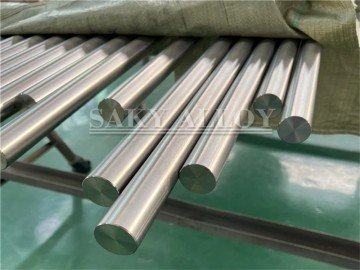
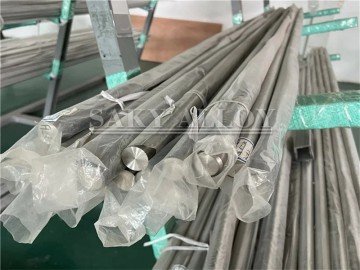
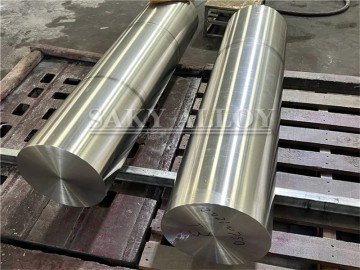
Grade 9 Titanium Rod for Heat Exchangers and Chemical Processing Equipment
In industries where corrosive chemicals, high temperatures, and demanding mechanical environments are daily challenges, material selection plays a crucial role in ensuring long-term performance and safety. Among the most reliable materials available, Grade 9 titanium (Ti-3Al-2.5V) has emerged as a top choice for manufacturing heat exchangers and chemical processing equipment.
Known for its unique combination of high strength, corrosion resistance, and thermal stability, Grade 9 titanium has become a trusted solution for handling aggressive fluids in chemical plants, desalination systems, and refinery operations.
As one of the leading global suppliers of titanium materials, sakyalloy provides Grade 9 titanium rods that meet the highest international standards for heat exchanger and process equipment fabrication. Through advanced metallurgical control and precision manufacturing, sakyalloy ensures every titanium rod offers reliability, durability, and performance in the harshest industrial conditions.
Understanding Grade 9 Titanium (Ti-3Al-2.5V)
Grade 9 titanium, also known as Ti-3Al-2.5V, is an alpha-beta titanium alloy containing 3% aluminum and 2.5% vanadium. Originally developed for aerospace hydraulic systems, it is now widely used in chemical and marine environments due to its exceptional mechanical and corrosion-resistant properties.
Chemical Composition (%):
-
Titanium (Ti): Balance
-
Aluminum (Al): 2.5–3.5
-
Vanadium (V): 2.0–3.0
-
Iron (Fe): ≤ 0.25
-
Oxygen (O): ≤ 0.20
Mechanical Properties (Annealed Condition):
| Property | Typical Value |
|---|---|
| Density | 4.48 g/cm³ |
| Tensile Strength | 620–670 MPa |
| Yield Strength | 485–550 MPa |
| Elongation | 15–20% |
| Hardness | 200–250 HB |
Why Titanium Is Ideal for Heat Exchangers and Chemical Equipment
In industries such as petrochemical processing, desalination, pulp and paper, and power generation, equipment must handle corrosive fluids like chlorides, sulfates, and acids at elevated temperatures. Traditional materials like stainless steel or copper alloys often suffer from pitting, crevice corrosion, or stress cracking over time.
Grade 9 titanium rods, by contrast, offer superior advantages:
-
Exceptional Corrosion Resistance:
Titanium forms a stable, self-healing oxide layer that protects against oxidation and chemical attack, even in strong acids and chloride environments. -
High Strength-to-Weight Ratio:
Titanium is 45% lighter than steel but with comparable mechanical strength, allowing for thinner, more efficient heat exchanger designs. -
Excellent Heat Transfer Efficiency:
Titanium’s low thermal expansion coefficient and high thermal conductivity provide efficient heat transfer with minimal distortion under thermal cycling. -
Resistance to Erosion and Fouling:
Smooth, inert titanium surfaces resist scaling and fouling from chemical deposits, reducing maintenance downtime. -
Long Service Life:
Equipment made from titanium lasts decades in corrosive environments, significantly lowering lifecycle costs.
Applications of Grade 9 Titanium Rods in Heat Exchangers
Heat exchangers are essential for transferring heat between fluids in chemical and industrial processes. Grade 9 titanium rods are used to manufacture tubes, tube sheets, bolts, and structural supports that operate under corrosive and high-temperature conditions.
1. Shell and Tube Heat Exchangers
Titanium rods are extruded into tubes for shell and tube designs, where one fluid passes through the tubes while another flows around them. Grade 9 titanium ensures:
-
Resistance to seawater and saline brines.
-
Long-term protection from sulfuric, hydrochloric, and nitric acids.
-
Minimal fouling and excellent heat transfer.
2. Plate Heat Exchangers
Titanium plates derived from Grade 9 rods provide lightweight, high-efficiency thermal transfer for compact chemical systems. Their formability and corrosion resistance make them ideal for desalination and chlorine-handling systems.
3. Condenser Tubes and Coils
Ti-3Al-2.5V is used in power plant condensers and evaporators to ensure longevity and thermal performance in cooling water circuits exposed to marine or industrial pollutants.
4. Heat Exchanger Fittings and Fasteners
Due to their strength and corrosion resistance, titanium rods are machined into bolts, nuts, and flanges that maintain joint integrity under fluctuating pressures and temperatures.
Use of Grade 9 Titanium Rods in Chemical Processing Equipment
In chemical plants, equipment such as reactors, pressure vessels, piping systems, and evaporators operate with highly aggressive fluids. Titanium’s inertness and resistance to chemical attack make it an ideal material for these critical applications.
1. Chemical Reactors and Vessels
Titanium rods are used for fabricating pressure vessel internals and structural supports, ensuring resistance to chlorides, nitric acid, and organic solvents.
2. Mixers and Agitator Shafts
Grade 9 titanium’s fatigue resistance and light weight enable smoother rotation with less power consumption, improving equipment efficiency.
3. Heat Recovery Units
In waste heat recovery and energy conservation systems, titanium components ensure safe operation under thermal shock and cyclic loading.
4. Piping and Manifold Components
Titanium piping systems, built from extruded rods, transport corrosive media without degradation, ensuring system integrity for decades.
Comparison with Other Materials in Chemical Service
| Property | Ti-3Al-2.5V | 316L Stainless Steel | Inconel 625 | Hastelloy C276 |
|---|---|---|---|---|
| Density (g/cm³) | 4.48 | 7.98 | 8.44 | 8.89 |
| Corrosion Resistance | Excellent | Good | Excellent | Excellent |
| Tensile Strength (MPa) | 620 | 485 | 830 | 760 |
| Thermal Conductivity (W/m·K) | 16 | 14 | 9.8 | 11 |
| Cost Efficiency (Lifecycle) | High | Medium | Medium | Medium |
| Weight Reduction vs Steel | 45% lighter | — | 47% lighter | 50% lighter |
This comparison highlights why titanium provides the best long-term cost efficiency — not just because of performance, but because of its longevity and minimal maintenance requirements.
Benefits of Grade 9 Titanium for Chemical Industries
-
Resistance to Strong Acids and Alkalis:
Handles hydrochloric, sulfuric, and organic acids without surface degradation. -
Immunity to Crevice and Pitting Corrosion:
Ideal for environments with high chloride concentrations, such as seawater or chlorine dioxide systems. -
High Pressure and Temperature Endurance:
Withstands dynamic loads in process plants, including frequent heating and cooling cycles. -
Ease of Fabrication and Welding:
Grade 9 titanium offers superior formability and weldability compared to other high-strength alloys. -
Reduced Downtime and Maintenance Costs:
Long-lasting components decrease the need for frequent inspection and replacement. -
Eco-Friendly and Recyclable:
Titanium is a sustainable material that supports green manufacturing goals.
How sakyalloy Ensures Premium Quality
sakyalloy is a trusted supplier of high-grade titanium rods to the chemical, marine, and energy sectors. With decades of expertise and advanced manufacturing technologies, the company delivers materials that meet the most stringent quality standards.
Manufacturing Process:
-
Vacuum Arc Melting:
Titanium ingots are melted in a vacuum to ensure high purity and prevent contamination. -
Hot Forging and Rolling:
Improves the microstructure and refines grain size for superior mechanical strength. -
Heat Treatment:
Annealing ensures excellent ductility and fatigue resistance. -
Surface Treatment:
Pickling and polishing remove oxides and enhance corrosion resistance. -
Testing and Inspection:
-
Ultrasonic testing for internal defects.
-
Eddy current and dimensional inspection.
-
Mechanical and chemical analysis to verify compliance.
-
Each sakyalloy Grade 9 titanium rod is manufactured in accordance with ASTM B348, AMS 4928, and ISO 9001 standards.
Typical Industries Using Grade 9 Titanium
-
Chemical and Petrochemical Plants
-
Desalination and Seawater Treatment Facilities
-
Pulp and Paper Mills
-
Pharmaceutical Production Systems
-
Oil and Gas Refining
-
Power Generation and Condensers
In all these industries, sakyalloy titanium rods provide long-term value by enhancing safety, reliability, and performance in corrosive and thermal environments.
Case Example: Titanium Heat Exchangers in Chlor-Alkali Plants
Chlor-alkali plants handle some of the most corrosive chemicals known to industry, including sodium hydroxide and chlorine gas. Traditional materials such as stainless steel corrode quickly under these conditions.
Heat exchangers built using Grade 9 titanium rods have demonstrated:
-
Service lives exceeding 25 years.
-
Zero corrosion-related downtime.
-
Reduced maintenance costs by 50%.
-
Improved energy efficiency due to better thermal conductivity.
These proven results make titanium a preferred material for plants seeking long-term performance and safety.
The Future of Titanium in Process Equipment
As global industries move toward sustainability and efficiency, the use of titanium in chemical processing will continue to grow. New manufacturing technologies, such as additive manufacturing and precision extrusion, are expanding titanium’s role in compact, high-performance heat exchangers.
With increasing demand for durable, corrosion-proof materials, Grade 9 titanium rods from sakyalloy are positioned to remain a cornerstone of next-generation process engineering.
The sakyalloy Advantage
sakyalloy delivers a full range of titanium materials tailored for heat exchanger and chemical equipment manufacturers worldwide.
Key Strengths:
-
Decades of metallurgical experience.
-
Certified production facilities (ISO 9001, ISO 14001).
-
Comprehensive quality testing (UT, mechanical, chemical).
-
Custom dimensions and surface finishes.
-
Global supply chain support with on-time delivery.
With precision engineering and strict process control, sakyalloy ensures that every titanium rod provides maximum corrosion resistance, mechanical reliability, and thermal efficiency for critical industrial applications.
Conclusion
The application of Grade 9 titanium rods in heat exchangers and chemical processing equipment represents the pinnacle of modern material engineering. Its combination of lightweight strength, exceptional corrosion resistance, and high thermal stability makes it an indispensable material for industries that rely on consistent, long-term performance in harsh environments.
Through its commitment to innovation, quality assurance, and customer satisfaction, sakyalloy continues to lead the way in delivering premium titanium materials that meet the evolving needs of global process industries.
Whether used in heat exchangers, pressure vessels, or chemical reactors, sakyalloy’s Grade 9 titanium rods ensure durability, safety, and efficiency — setting new standards for excellence in industrial material technology.