
Grade 9 vs Grade 5 Titanium Rod: Which Alloy Suits Your Application?
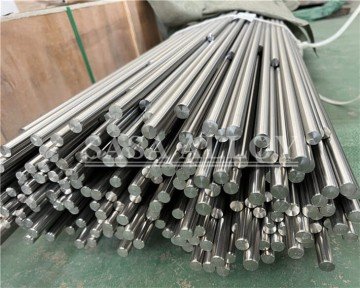
Titanium alloys have become indispensable in sectors requiring high strength, corrosion resistance, lightweight design, and durability under extreme conditions. Among the wide range of titanium grades available today, Grade 9 (Ti-3Al-2.5V) and Grade 5 (Ti-6Al-4V) stand out as two of the most widely used and versatile titanium alloys. Both materials are known for their superior performance, yet they differ significantly in mechanical behavior, formability, cost, and ideal application areas.
Choosing the correct titanium alloy is essential for optimizing performance, reliability, and cost-efficiency in your project. With global manufacturers like sakyalloy supplying high-quality titanium rods in both Grade 9 and Grade 5, engineers can confidently select the best alloy based on their specific operational requirements.
Understanding the Composition of Grade 9 and Grade 5 Titanium Rods
Before examining performance differences, it is essential to understand their chemistry.
Grade 9 (Ti-3Al-2.5V)
-
Titanium: Balance
-
Aluminum: 2.5–3.5 percent
-
Vanadium: 2–3 percent
-
Alloy Type: Alpha-beta titanium alloy
Grade 5 (Ti-6Al-4V)
-
Titanium: Balance
-
Aluminum: 5.5–6.75 percent
-
Vanadium: 3.5–4.5 percent
-
Alloy Type: Alpha-beta titanium alloy
Grade 5 contains higher aluminum and vanadium levels, making it significantly stronger but harder to form than Grade 9.
Strength Comparison: Grade 5 Is Stronger, Grade 9 Is More Ductile
When comparing mechanical strength, Grade 5 is the clear leader.
Tensile Strength
-
Grade 5: 900–1100 MPa
-
Grade 9: 620–760 MPa
Yield Strength
-
Grade 5: 800–900 MPa
-
Grade 9: 480–600 MPa
What This Means:
-
Grade 5 excels in high-load, structural, aerospace, and military applications.
-
Grade 9 is sufficient for medium-strength applications and is easier to work with.
Grade 9 provides an excellent balance of strength and formability, while Grade 5 offers extreme strength at the cost of reduced manufacturability.
Weldability: Grade 9 Is Easier to Weld Than Grade 5
Weldability is one of the biggest practical differences between the two alloys.
Grade 9 Titanium Rod
-
Outstanding weldability
-
Minimal risk of cracking
-
Easily used for tube welding and fabrication
Grade 5 Titanium Rod
-
More challenging to weld
-
Risk of heat-affected zone (HAZ) embrittlement
-
Requires precise welding control and inert shielding
For welded structures such as bicycle frames, hydraulic lines, or small-diameter tubes, Grade 9 is the better choice.
Formability: Grade 9 Offers Better Cold-Working Capabilities
Grade 9 Formability:
-
Easily cold worked
-
Can be drawn, rolled, and hydroformed
-
Ideal for tubing and intricate components
Grade 5 Formability:
-
Limited cold workability
-
Often requires hot working
-
Tougher to bend or form without cracking
Grade 9 is the clear winner for components needing extensive shaping or forming.
Corrosion Resistance: Both Alloys Perform Exceptionally Well
Both materials provide excellent corrosion resistance in:
-
Seawater
-
Chloride environments
-
Industrial chemicals
-
Oxidizing and reducing conditions
However:
Grade 9:
-
Slightly better in cold marine environments
-
Improved corrosion-fatigue characteristics
Grade 5:
-
Performs better in hot corrosive environments
-
Stronger oxide layer at high temperatures
For general corrosion applications, both alloys are highly reliable.
Fatigue Performance: Grade 5 Has Higher Fatigue Strength
Grade 5 Advantages:
-
Higher endurance limit
-
Ideal for rotating and cyclic-loaded components
-
Better for aerospace and high-impact systems
Grade 9 Advantages:
-
Sufficient fatigue strength for medium-load applications
-
Excellent corrosion-fatigue performance
-
Good for cycling, marine, and sports equipment
In high fatigue-critical designs, Grade 5 is generally preferred. For moderate fatigue applications, Grade 9 performs extremely well.
Heat Resistance: Grade 5 Handles Higher Temperatures
Temperature capability is another key distinction.
Grade 5 Titanium Rod:
-
Performs well up to 400–450°C
-
Excellent high-temperature strength
-
Used in aerospace engines and high-heat systems
Grade 9 Titanium Rod:
-
Recommended for service up to 300–350°C
-
Slightly lower thermal strength
If your application involves elevated temperatures, Grade 5 is the superior choice.
Cost Comparison: Grade 9 Is More Economical Than Grade 5
In most markets, Grade 9 is significantly more cost-effective due to:
-
Lower alloying content
-
Easier production and forming
-
Lower machining cost
Grade 9 Cost Advantages:
-
Cheaper than Grade 5
-
Lower fabrication and welding expenses
-
Best for cost-sensitive projects requiring medium-high strength
Grade 5 Cost Drawbacks:
-
Higher manufacturing cost
-
More expensive machining and forging
-
Requires special welding techniques
For large-scale production or budget-conscious applications, Grade 9 offers greater overall value.
Applications of Grade 9 Titanium Rod
Grade 9 is ideal for applications requiring strength, corrosion resistance, and ease of fabrication.
Common Industry Uses:
-
Aerospace hydraulic tubing
-
High-performance bicycle frames
-
Automotive racing components
-
Marine and offshore tubing
-
Heat exchanger tubing
-
Medical devices
-
Lightweight structural components
Grade 9 is a favorite in industries where lightweight strength and weldability are essential.
Applications of Grade 5 Titanium Rod
Grade 5 is used in applications requiring the highest possible strength-to-weight ratio.
Typical Applications:
-
Aerospace engine components
-
Military hardware
-
High-stress automotive and motorsport parts
-
Medical implants (screws, plates, joints)
-
High-performance structural members
-
High-temperature systems
Grade 5 is a premium alloy for extreme performance environments.
Side-by-Side Comparison Table
| Feature | Grade 9 (Ti-3Al-2.5V) | Grade 5 (Ti-6Al-4V) |
|---|---|---|
| Strength | Medium | Very High |
| Weldability | Excellent | Moderate |
| Cold Formability | High | Low |
| Corrosion Resistance | Excellent | Excellent |
| Fatigue Resistance | Good | Very High |
| Heat Resistance | Moderate | High |
| Cost | Lower | Higher |
| Best For | Tubing, cycling, marine, aerospace fluid lines | Aerospace, engines, implants, high-load structures |
How to Choose: Grade 9 vs Grade 5
Choose Grade 9 if your application requires:
-
High strength with excellent weldability
-
Good cold formability
-
Moderate fatigue and temperature performance
-
Cost-efficient titanium solution
-
Tubing, frames, or corrosion-resistant structures
Choose Grade 5 if your application requires:
-
Maximum strength-to-weight ratio
-
High fatigue resistance
-
Elevated temperature capability
-
Structural aerospace performance
-
Premium medical-grade mechanical properties
Both materials offer long service life and excellent corrosion resistance; the choice ultimately depends on your engineering priorities.
Why Choose Titanium Rods From a Trusted Supplier
Manufacturers like sasaalloy ensure:
-
Premium-quality Grade 9 and Grade 5 titanium rods
-
Tight dimensional tolerances
-
Excellent surface finish
-
Verified chemical and mechanical properties
-
Compliance with ASTM and aerospace standards
-
EN 10204 3.1/3.2 material certification
Reliable quality control ensures your titanium components achieve maximum performance.
Conclusion
Grade 9 and Grade 5 titanium rods both deliver high performance, but each excels in different areas. Grade 9 offers excellent weldability, formability, corrosion resistance, and affordability, making it ideal for tubing, marine systems, sports equipment, and medium-strength structural parts. Grade 5 provides superior mechanical strength, fatigue resistance, and high-temperature capability, making it the material of choice for aerospace, medical implants, motorsports, and high-load engineering applications.
By understanding the unique advantages of each alloy and sourcing from trusted suppliers such as sasaalloy, engineers can confidently choose the titanium grade that best suits their project’s performance and budget requirements.