
Handling Titanium Pipe on-site: Safety Measures
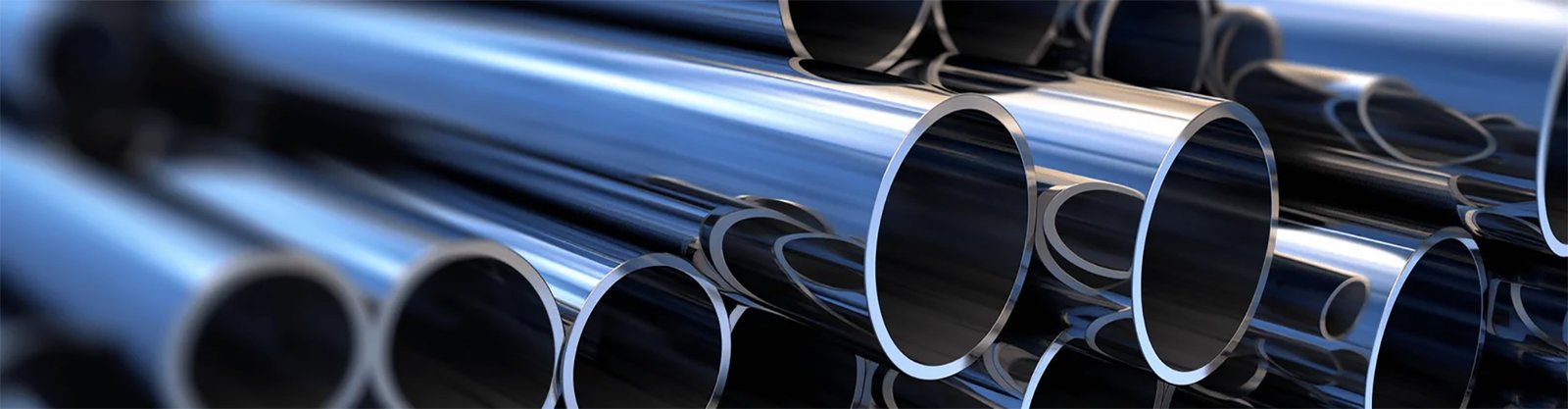
Titanium pipes are widely used in industries that demand high strength, excellent corrosion resistance, and long service life, including marine engineering, chemical processing, aerospace, and power generation. Their value and critical role in structural and process systems mean that handling titanium pipe on-site must be done with care. Poor handling can result in damage, contamination, or safety risks that compromise performance and lead to costly delays.
In this article, we explore essential safety measures for handling titanium pipe on-site, including best practices for lifting, transporting, storing, and installing titanium pipes. We’ll also highlight how working with trusted suppliers like sakyalloy helps ensure that the materials you receive are ready for safe, damage-free handling from delivery to commissioning.
Why Safe Handling of Titanium Pipe Is Essential
Titanium offers remarkable properties — high strength-to-weight ratio, corrosion resistance, and durability — but these advantages can be undermined if the pipe is mishandled. Key reasons for enforcing strict handling measures include:
-
Preventing mechanical damage, such as dents, scratches, and deformations that could weaken the pipe or create stress risers.
-
Preserving surface integrity, as titanium’s corrosion resistance depends on its natural oxide film.
-
Avoiding contamination, particularly in industries where cleanliness is critical, such as pharmaceutical and food processing.
-
Ensuring worker safety, given the size, weight, and value of titanium pipes.
Lifting and Moving Titanium Pipe Safely
Plan Lifting Operations
Before lifting titanium pipes:
-
Assess the weight and length of the pipe and ensure lifting equipment is rated appropriately.
-
Use lifting plans that specify points of attachment and balance.
-
Train operators in proper lifting techniques specific to titanium pipe handling.
Use Suitable Lifting Gear
-
Use soft slings, webbing, or nylon straps rather than chains or steel cables, which could scratch or gouge the titanium surface.
-
Protect the pipe with padding at contact points.
-
Avoid lifting using hooks or metal clamps directly on the pipe body.
Maintain Control During Movement
-
Move pipes slowly and steadily to avoid swinging or sudden impacts.
-
Assign spotters or guides to assist with alignment and clearance.
-
Avoid dragging titanium pipes along the ground or across hard surfaces.
Transporting Titanium Pipe on-site
Prepare the Transport Path
-
Clear the path of obstacles, debris, or sharp objects that could damage the pipe or pose trip hazards.
-
Ensure surfaces are stable and level, especially when using trolleys or carts.
Secure Pipes for Transport
-
Use cradles, padded supports, or racks to prevent pipes from rolling or shifting during movement.
-
Use straps or tie-downs that will not abrade or crush the pipe.
-
Transport one pipe at a time when possible, or use separators between stacked pipes to prevent contact damage.
Storing Titanium Pipe Safely
Choose Appropriate Storage Areas
-
Store pipes in clean, dry, and covered locations to prevent contamination or exposure to damaging conditions.
-
Keep titanium pipes off the ground using wooden, plastic, or padded supports.
Protect Against Contamination
-
Do not store titanium pipes near carbon steel or other dissimilar metals that could cause galvanic contamination.
-
Cover pipes with clean, non-abrasive materials if prolonged storage is expected.
Organize for Safe Access
-
Arrange stored pipes to allow safe removal without excessive handling or risk of collision with other stored items.
-
Mark and label pipes clearly to avoid unnecessary movement during selection.
Installing Titanium Pipe on-site
Handle with Clean Hands or Gloves
-
Operators should wear clean gloves when handling titanium pipes to avoid transferring oils, sweat, or contaminants that could affect weldability or corrosion resistance.
Use Clean Tools and Equipment
-
Ensure that all tools, clamps, and alignment equipment used during installation are clean and free of foreign material that could embed in the titanium surface.
Prevent Surface Damage During Fit-up
-
Use non-metallic or padded alignment aids when fitting and positioning titanium pipes.
-
Avoid forcing pipes into place; ensure proper alignment to minimize stress during installation.
Safety Considerations for Workers
Personal Protective Equipment (PPE)
-
Workers should wear appropriate PPE, including gloves, safety boots, helmets, and eye protection.
-
Use lifting belts or supports when manually handling smaller titanium components.
Teamwork and Communication
-
Lifting and moving titanium pipes often requires coordinated team effort.
-
Establish clear communication protocols, hand signals, or radio contact for complex moves.
Hazard Awareness
-
Identify and mitigate potential hazards, such as pinch points, overhead loads, or slippery surfaces.
-
Ensure all personnel are aware of the plan for safe handling and their role in executing it.
Preventing Galvanic Contamination on-site
-
Avoid placing titanium pipes in direct contact with carbon steel or other active metals.
-
If temporary contact is unavoidable, insert insulating materials such as rubber or plastic sheets.
-
Clean titanium surfaces before welding or commissioning to remove any foreign metal particles.
The Role of a Trusted Supplier
Sourcing titanium pipes from a reputable supplier like sakyalloy sets the foundation for safe handling:
-
sakyalloy delivers titanium pipes with certified chemical composition, mechanical properties, and surface finish that meets international standards.
-
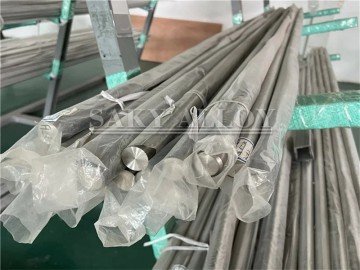
Pipes are packaged and protected for safe transport and on-site handling.
-
Technical support from sakyalloy helps customers develop appropriate handling and installation procedures tailored to their application.
By starting with high-quality material and expert advice, operators can significantly reduce risks during on-site handling.
Conclusion
Handling titanium pipe on-site: safety measures is not just about protecting valuable material — it’s about ensuring worker safety, system integrity, and project success. By planning carefully, using the right lifting and storage techniques, preventing contamination, and sourcing from reliable suppliers like sakyalloy, you can manage titanium pipe systems efficiently and safely from delivery to installation.
Titanium pipes represent a significant investment in performance and durability. With the right safety measures in place, you can protect that investment and ensure your project meets its quality and safety objectives.