
Hardness Of Titanium Tube
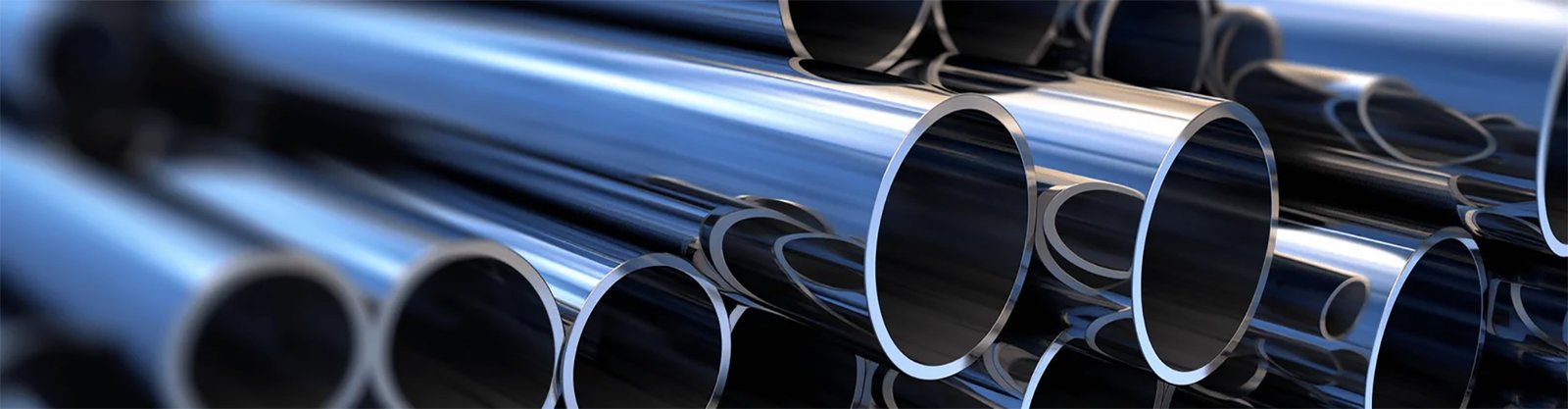
Titanium is a material that has transformed industries ranging from aerospace and marine engineering to medical and chemical processing. Its outstanding properties—lightweight structure, corrosion resistance, and high mechanical strength—make it a preferred choice in demanding applications. Among the many titanium products available, titanium tubes hold special importance due to their wide usage in heat exchangers, medical implants, aircraft hydraulic systems, and chemical pipelines.
One of the key performance indicators of titanium tubes is hardness. Understanding the hardness of titanium tube materials is essential for engineers and buyers when selecting the right product for their projects. This article provides an in-depth explanation of titanium tube hardness, its influencing factors, measurement methods, and applications.
What Is Hardness in Titanium Tubes?
Hardness refers to a material’s resistance to deformation, scratching, or indentation. In titanium tubes, hardness determines wear resistance, machinability, and ability to withstand external forces without failure.
For titanium tubes, hardness values are typically measured in Brinell Hardness (HB), Vickers Hardness (HV), or Rockwell Hardness (HRC/HRB), depending on the specific application and testing standards.
Hardness of Commercially Pure Titanium Tubes
Commercially pure (CP) titanium, such as Gr1 and Gr2, has relatively low hardness compared to alloys.
-
Gr1 Titanium Tube: Around 70–80 HB, known for excellent ductility and corrosion resistance.
-
Gr2 Titanium Tube: Around 90–100 HB, stronger than Gr1 but still easy to form and weld.
These grades are often used in chemical processing and desalination where corrosion resistance is more critical than high hardness.
Hardness of Titanium Alloy Tubes
Titanium alloys exhibit significantly higher hardness due to alloying elements such as aluminum, vanadium, or molybdenum.
-
Gr5 (Ti-6Al-4V) Tube: Around 334–349 HV (equivalent to ~35 HRC). This alloy is much harder and stronger than pure titanium, commonly used in aerospace and high-performance engineering.
-
Gr7 Tube: Similar hardness to Gr2 but with enhanced corrosion resistance due to palladium addition.
-
Gr9 (Ti-3Al-2.5V) Tube: Hardness around 250 HV, widely applied in aerospace hydraulic systems and sports equipment.
These alloys combine higher hardness with good toughness, making them suitable for applications where both strength and corrosion resistance are required.
Factors Influencing the Hardness of Titanium Tubes
1. Alloy Composition
Adding elements like aluminum, vanadium, or molybdenum significantly increases hardness compared to commercially pure grades.
2. Heat Treatment
Processes such as annealing, solution treatment, and aging can modify hardness. For example, solution-treated and aged Gr5 titanium tubes achieve higher hardness and strength.
3. Cold Working
Cold drawing and deformation during tube production increase hardness due to work hardening, but may reduce ductility.
4. Surface Condition
Polished or treated surfaces may have higher surface hardness compared to untreated tubes.
5. Operating Conditions
Exposure to high temperatures or aggressive environments may influence long-term hardness stability.
Measuring Hardness of Titanium Tubes
Brinell Hardness (HB)
A steel or tungsten carbide ball is pressed into the tube surface. Suitable for softer grades like Gr1 and Gr2.
Vickers Hardness (HV)
A diamond-shaped indenter is used, providing precise values across all titanium grades, including thin tubes.
Rockwell Hardness (HRC/HRB)
Commonly applied to titanium alloys such as Gr5. Quick and standardized results are useful for quality control.
Microhardness Testing
Applied to thin-walled titanium tubes to measure hardness in small sections or heat-affected zones.
Applications Based on Hardness
Low Hardness (CP Titanium Tubes)
-
Chemical processing pipelines
-
Desalination equipment
-
Heat exchangers
Medium Hardness (Gr9 Tubes)
-
Aerospace hydraulic lines
-
Sports equipment like bicycle frames and golf clubs
-
Marine hardware
High Hardness (Gr5 Tubes)
-
Aerospace engine components
-
High-pressure medical implants
-
Military and defense systems
Advantages of Titanium Tube Hardness
-
Resistance to wear and surface damage
-
Improved fatigue performance under cyclic loads
-
Ability to maintain shape and performance under stress
-
Extended service life in demanding conditions
Manufacturers like sakyalloy ensure strict hardness control during tube production, providing materials that meet both international standards and customer-specific requirements.
Challenges of Hard Titanium Tubes
-
Machinability: Higher hardness makes titanium alloys more difficult to machine, requiring specialized tools.
-
Cost: Alloying and heat treatment add to production costs.
-
Balancing Strength and Ductility: Very hard tubes may become brittle if not processed correctly.
Future Trends in Titanium Tube Development
-
Advanced Alloy Design: Development of titanium alloys with tailored hardness for aerospace and medical use.
-
Surface Engineering: Coatings such as nitriding or anodizing to improve surface hardness without sacrificing ductility.
-
3D Printing: Additive manufacturing of titanium tubes with optimized hardness for specific applications.
-
Sustainable Production: Recycling titanium to reduce costs while maintaining mechanical properties.
With innovation, titanium tubes will continue to offer excellent hardness and durability for next-generation industries.
Conclusion
The hardness of titanium tube is a key property that defines its strength, wear resistance, and suitability for various industries. Commercially pure titanium tubes offer lower hardness but excellent corrosion resistance, while alloyed titanium tubes like Gr5 and Gr9 provide higher hardness for demanding applications.
By carefully selecting the right grade, processing method, and hardness level, industries can ensure titanium tubes meet their operational needs. With continuous advancements in processing and alloy development, titanium tubes will remain one of the most reliable materials in aerospace, medical, chemical, and marine engineering.
Trusted suppliers such as sakyalloy deliver titanium tubes with controlled hardness and consistent quality, supporting industries worldwide with reliable solutions.