
How Chemical Industry Growth Boosts Titanium Grade 11 Applications
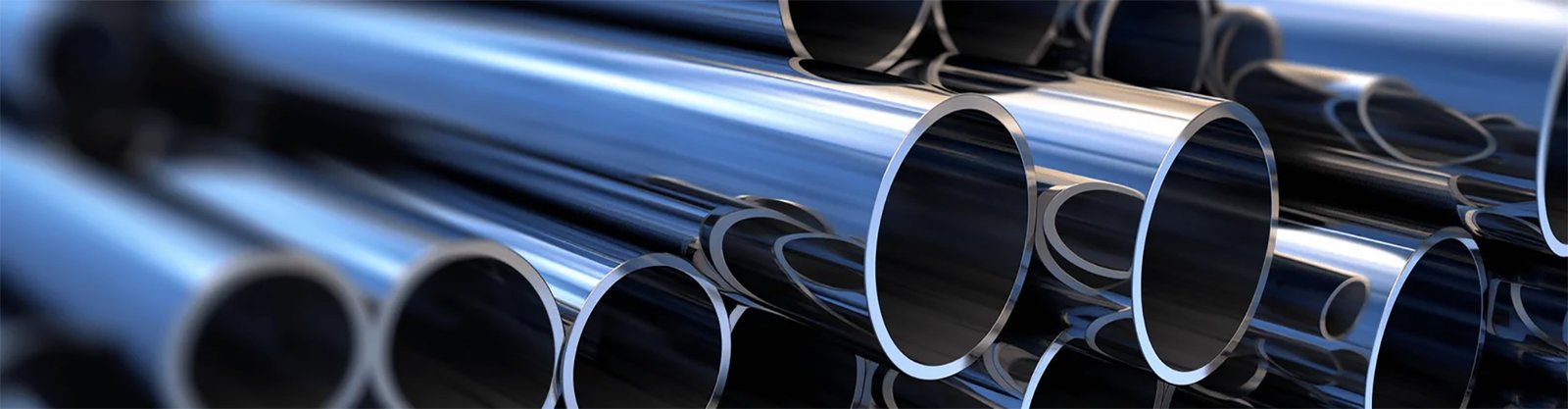
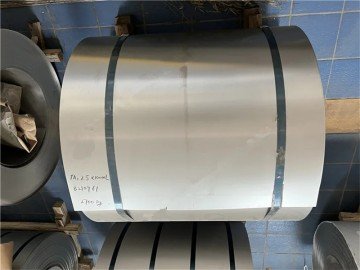
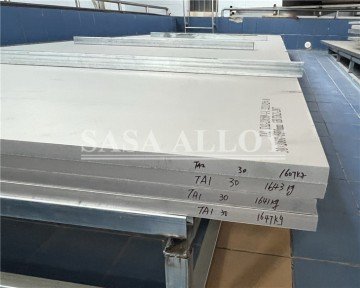
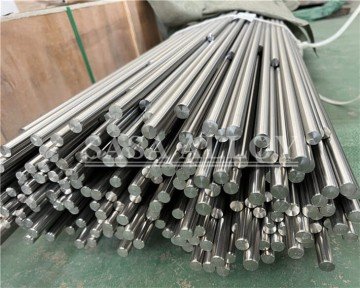
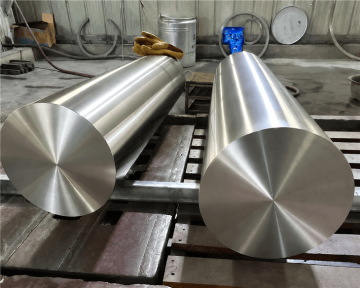
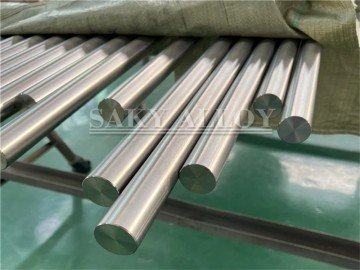
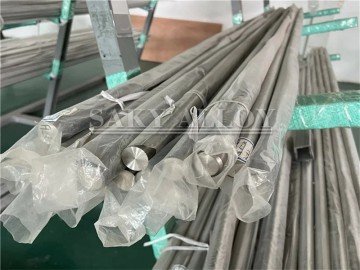
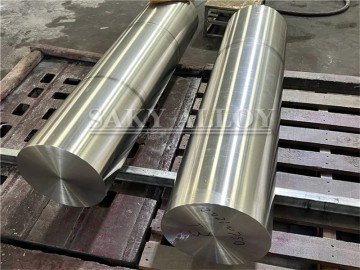
The global chemical industry is entering a new phase of expansion driven by rising demand for specialty chemicals, green manufacturing, and advanced processing technologies. As chemical plants scale up production and modernize equipment, the choice of materials used in corrosive, high-temperature, and high-pressure environments has become increasingly critical. Among the various corrosion-resistant materials adopted in these facilities, Titanium Grade 11 has experienced particularly strong growth. Known for its exceptional corrosion resistance, mechanical reliability, and long-term stability in aggressive chemical media, Titanium Grade 11 bars and components are finding expanding applications across chemical production lines. With manufacturers such as sakyalloy increasing capacity and enhancing technical support, Titanium Grade 11 is becoming a key material supporting the sustainable growth of the global chemical industry.
Rising Chemical Production Requires More Durable Materials
As global chemical production intensifies, plants are facing more frequent exposure to harsh chemical environments. These include acidic solutions, chloride-containing media, oxidizing systems, and complex process fluids that degrade traditional metals. Stainless steels, copper alloys, and even duplex grades often fail prematurely in these conditions, leading to corrosion-related shutdowns and safety risks.
Titanium Grade 11 provides a reliable solution. Containing a small amount of palladium, this alloy enhances corrosion resistance in reducing acids and ensures excellent performance in chloride-rich environments. Chemical plants rely on Titanium Grade 11 components to maintain stable production, reduce maintenance frequency, and extend equipment life cycles. With growing chemical output worldwide, the need for robust materials like Titanium Grade 11 has risen sharply.
Strong Performance in Chloride and Acidic Environments
Chloride-induced corrosion remains one of the biggest challenges in chemical processing. Chlorine gas, hydrochloric acid, sodium chloride brines, and chlorinated solvents all cause severe damage to metals. Titanium Grade 11 bars and fittings provide outstanding resistance due to the enhanced passivation effect from palladium addition.
This makes Titanium Grade 11 particularly valuable in:
• Chlor-alkali equipment
• HCl purification and processing systems
• Acid circulation pumps
• Evaporators and heat exchangers
• Chemical reactors and storage tanks
Where other materials may suffer from pitting, crevice corrosion, or stress corrosion cracking, Titanium Grade 11 retains its stability, ensuring high reliability in continuous operations.
Growth of Green Chemistry and Environmental Protection
The global shift toward green chemistry has accelerated the demand for corrosion-resistant and durable materials. Chemical plants transitioning to cleaner processes often utilize more aggressive reaction conditions, including high-temperature oxidation, strong acids, and enhanced catalytic systems. These innovations require equipment materials capable of withstanding difficult environments without degrading or contaminating the final products.
Titanium Grade 11 supports these needs by offering:
• A non-reactive surface
• No ion contamination
• Long service life
• Compatibility with environmentally friendly chemical processes
As industries pursue sustainability goals, Titanium Grade 11 has become an ideal choice for eco-friendly production lines, waste treatment facilities, and chemical recovery systems.
Expansion of Petrochemical and Refinery Production
Petrochemical growth, driven by increasing global energy demand and the rise of polymer-based industries, has directly boosted Titanium Grade 11 usage. Many petrochemical operations involve complex reactions such as hydroprocessing, sulfur removal, aromatic separation, and acid gas treatment. These processes expose materials to hot acids, chlorides, and sulfurous compounds that corrode conventional alloys.
Titanium Grade 11 components such as piping, heat exchanger tubes, reactor internals, and pump shafts offer reliable performance in these conditions. Their long-term resistance reduces operational risks and enhances plant uptime, contributing to better productivity and profitability. As petrochemical refineries expand capacity, the use of titanium materials continues to rise.
Enhanced Reliability for High-Pressure Chemical Systems
Modern chemical production often requires high-pressure reactors and piping systems to accelerate reaction rates and improve efficiency. High pressure also increases chemical aggressiveness, making corrosion control even more challenging.
Titanium Grade 11 provides excellent:
• High-pressure stability
• Resistance to hydrogen absorption
• Stability in cyclic thermal and pressure environments
This combination allows Titanium Grade 11 bars to be widely used in pressurized filtration systems, catalytic reactors, high-pressure acid leach (HPAL) equipment, and advanced separation units. With global investments in high-efficiency chemical plants, demand for Grade 11 continues to climb.
Strong Market Growth in Desalination-Linked Chemical Applications
Chemical industries located in coastal regions increasingly rely on desalinated water and brine treatment systems. Warm seawater, brine streams, and concentrated salts create severe corrosion risks in water treatment equipment.
Titanium Grade 11 is used extensively in:
• Seawater intake systems
• Brine cooling equipment
• Chemical dosing systems
• Chlorination units
Its unmatched resistance to seawater and salt-based solutions makes Grade 11 suitable for chemical plants operating near marine environments. As more chemical facilities are established in coastal industrial zones, Titanium Grade 11 consumption is expected to grow steadily.
Role of Advanced Manufacturers in Supporting Industry Demand
The rapid adoption of Titanium Grade 11 would not be possible without technological progress from global manufacturers. Companies like sakyalloy have invested heavily in precision forging, advanced melting technology, and tight-tolerance machining to meet rising quality expectations. Through technical support, customized solutions, and strict quality control, these manufacturers ensure that Titanium Grade 11 bars meet the demanding requirements of chemical processing facilities.
With ongoing R and D investment, the manufacturing sector is now capable of producing higher-purity titanium, improved microstructures, and components with enhanced mechanical performance. These improvements further increase the reliability of Titanium Grade 11 in corrosive environments.
Future Market Outlook
Market forecasts indicate that the global demand for Titanium Grade 11 will continue to grow rapidly, driven by increased chemical production, sustainability initiatives, and the global transition toward advanced manufacturing technologies. Regions such as Asia-Pacific, the Middle East, and Western Europe are expected to remain the largest consumers of titanium products due to large-scale investments in petrochemical complexes and specialty chemical plants.
As process conditions become more demanding and environmental regulations tighten, Titanium Grade 11’s role will expand even further. Its unique blend of corrosion resistance, durability, and environmental compatibility positions it as one of the most valuable materials for next-generation chemical facilities.
Conclusion
The growth of the global chemical industry has directly driven the increasing use of Titanium Grade 11 bars in corrosive and high-performance environments. From chlor-alkali production and petrochemical processing to green chemistry and high-pressure reaction systems, Titanium Grade 11 delivers unmatched reliability. As manufacturers enhance production capabilities and industries worldwide implement cleaner, more efficient processes, Titanium Grade 11 will continue to play a vital role in supporting chemical industry innovation and sustainability.