
How Grade 9 Titanium Rod Improves Aircraft Fuel System Performance
In modern aerospace engineering, every kilogram saved, every degree of temperature resistance gained, and every ounce of efficiency achieved can dramatically influence aircraft performance and operational cost. Among the various alloys used in aircraft construction, Grade 9 titanium (Ti-3Al-2.5V) has become a crucial material—particularly in fuel system applications where strength, corrosion resistance, and weight reduction are vital.
The aircraft fuel system operates under high pressure, fluctuating temperatures, and chemically aggressive conditions. Therefore, the materials used must withstand hydrocarbon fuels, vibration, and thermal cycling without compromising safety or efficiency. Grade 9 titanium rods, known for their lightweight strength, corrosion resistance, and superior fatigue life, have proven to be the perfect solution for manufacturing fuel lines, connectors, valves, and support structures in both commercial and military aircraft.
As an established global supplier of titanium products, sakyalloy produces high-quality Grade 9 titanium rods that meet international aerospace standards such as AMS 4943, AMS 4944, and ASTM B348. These materials ensure outstanding performance, reliability, and safety in demanding fuel system environments.
Understanding Grade 9 Titanium (Ti-3Al-2.5V)
Grade 9 titanium, also known as Ti-3Al-2.5V, is a medium-strength, alpha-beta titanium alloy that offers a perfect balance between mechanical performance and formability. It is stronger than commercially pure titanium (Grade 2 or 3) but more workable than the high-strength Grade 5 (Ti-6Al-4V), making it ideal for tubing, rods, and pressure-bearing components.
Chemical Composition (%):
-
Titanium (Ti): Balance
-
Aluminum (Al): 2.5–3.5
-
Vanadium (V): 2.0–3.0
-
Iron (Fe): ≤ 0.25
-
Oxygen (O): ≤ 0.20
-
Carbon (C): ≤ 0.08
-
Hydrogen (H): ≤ 0.015
This unique chemistry delivers a fine balance of strength, ductility, and corrosion resistance, essential for components that must endure both high stress and prolonged exposure to jet fuel.
Mechanical Properties
| Property | Value (Typical) |
|---|---|
| Density | 4.48 g/cm³ |
| Yield Strength | 480–620 MPa |
| Tensile Strength | 620–760 MPa |
| Elongation | 15–20% |
| Modulus of Elasticity | 105 GPa |
| Operating Temperature | Up to 400°C |
The combination of high strength, lightweight density, and stability under temperature makes Grade 9 titanium the ideal choice for fuel system components where pressure retention, weight savings, and corrosion resistance are equally critical.
Challenges in Aircraft Fuel Systems
Aircraft fuel systems are among the most complex subsystems of modern aviation technology. They are exposed to multiple operational and environmental challenges:
-
High pressure and vibration: Constant mechanical stress due to engine operation and aerodynamic forces.
-
Corrosive fuels: Exposure to hydrocarbon-based jet fuels (Jet A, Jet A-1) and additives that can degrade conventional metals.
-
Temperature extremes: Ranging from -50°C at high altitude to over 200°C near engine nacelles.
-
Weight constraints: Every gram saved contributes directly to better fuel economy and payload capacity.
-
Safety standards: Materials must maintain leak-free operation and integrity over thousands of flight hours.
To meet these challenges, aerospace engineers demand materials that combine strength, corrosion resistance, and lightweight properties—qualities that Grade 9 titanium offers in abundance.
Why Grade 9 Titanium Excels in Fuel System Applications
1. Exceptional Strength-to-Weight Ratio
Grade 9 titanium offers twice the strength of aluminum alloys and half the weight of stainless steel, providing significant mass savings in aircraft fuel system assemblies. This directly improves fuel efficiency, thrust-to-weight ratio, and overall aircraft performance.
2. Superior Corrosion Resistance
Fuel lines and fittings must withstand prolonged contact with aviation fuels containing sulfur compounds, moisture, and oxygen. Titanium’s natural oxide layer provides a self-healing, protective barrier that prevents oxidation and corrosion, even under high pressure and fluctuating temperatures.
3. Resistance to Stress and Fatigue
Aircraft fuel systems experience constant vibration and stress due to engine thrust and aerodynamic turbulence. Grade 9 titanium’s outstanding fatigue resistance ensures long-term performance without crack initiation or propagation, reducing maintenance frequency.
4. Excellent Compatibility with Jet Fuels
Unlike steel or aluminum, titanium does not react with hydrocarbons or jet fuel additives. This chemical inertness ensures clean fuel delivery and extended component lifespan, critical for modern high-performance aircraft.
5. Thermal Stability
Grade 9 titanium retains its mechanical strength and dimensional stability up to 400°C, allowing it to perform efficiently in engine-adjacent areas where other materials might soften or deform.
6. Easy Fabrication and Welding
Unlike Grade 5 titanium, which requires complex processing, Grade 9 can be cold-formed and welded without heat treatment. This makes it ideal for thin-walled tubing, connectors, and welded joints in fuel transfer systems.
7. Enhanced Safety and Reliability
Titanium’s resistance to ignition and low thermal conductivity reduce the risk of fuel vapor ignition, adding an extra layer of safety to aircraft operations.
Applications of Grade 9 Titanium Rod in Aircraft Fuel Systems
1. Fuel Transfer and Distribution Lines
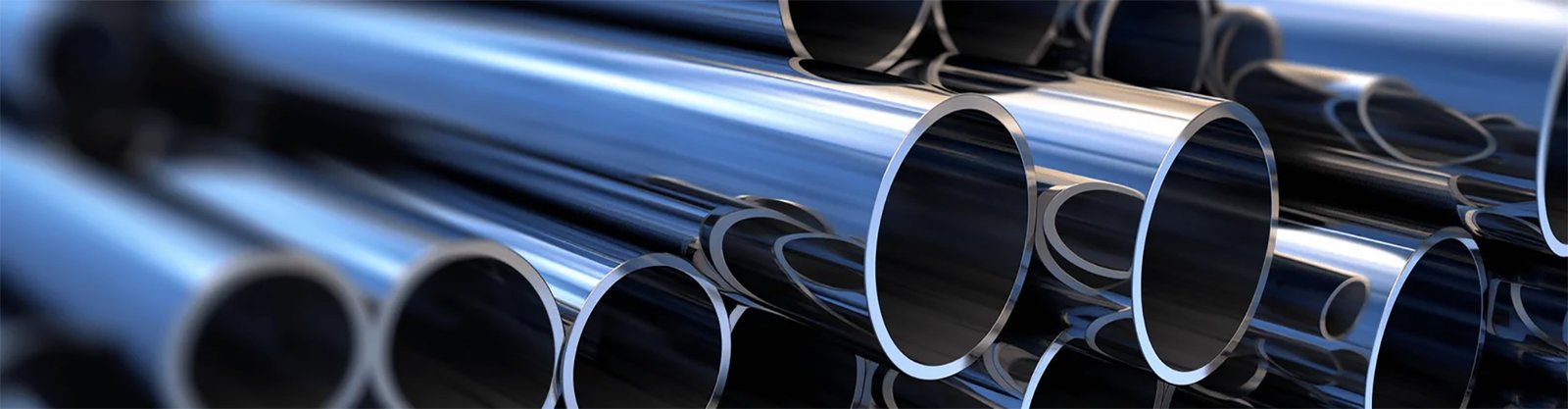
Grade 9 titanium rods are drawn into seamless tubes used to transport jet fuel between tanks, engines, and auxiliary systems. These tubes withstand high flow pressure, vibration, and temperature fluctuations without corrosion or leakage.
2. Fuel Pump and Valve Components
Titanium’s lightweight yet strong structure allows manufacturers to create fuel pump shafts, valve stems, and control linkages that operate reliably under pressure and continuous motion.
3. Fuel Manifolds and Connectors
Manifold assemblies made from Grade 9 titanium ensure even fuel distribution and minimize contamination risks, while maintaining dimensional stability under load.
4. Engine Feed Lines
In high-temperature zones near engines, titanium’s thermal stability ensures the safe transport of fuel to combustion chambers without degradation or distortion.
5. Auxiliary and Ventilation Systems
Titanium rods are machined into fittings and connectors for fuel vent and recirculation lines, ensuring minimal weight and long-term corrosion protection.
6. Pressure Vessel and Tank Reinforcements
In hybrid fuel tank designs, titanium rods serve as internal reinforcement bars, providing structural rigidity without adding excessive mass.
Comparison: Grade 9 Titanium vs. Other Aerospace Materials
| Property | Grade 9 Titanium | Stainless Steel (316L) | Aluminum Alloy (6061-T6) |
|---|---|---|---|
| Density (g/cm³) | 4.48 | 8.0 | 2.7 |
| Yield Strength (MPa) | 480–620 | 290 | 240 |
| Corrosion Resistance | Excellent | Moderate | Poor (with fuel exposure) |
| Fatigue Resistance | High | Medium | Low |
| Thermal Resistance (°C) | Up to 400 | Up to 300 | Up to 150 |
| Compatibility with Jet Fuel | Excellent | Fair | Poor |
Conclusion:
Grade 9 titanium provides the optimal combination of lightweight, strength, and chemical stability, outperforming stainless steel and aluminum in every critical parameter for fuel system design.
Quality Standards and Certifications
sakyalloy ensures that every Grade 9 titanium rod meets international aerospace material standards:
-
AMS 4943 / AMS 4944 – Aerospace tubing and rod specification
-
ASTM B348 – Titanium and titanium alloy bars and billets
-
ISO 5832-11 – High-purity titanium for aerospace use
Quality Testing Includes:
-
Ultrasonic inspection (UT) for internal defect detection
-
Tensile and yield strength tests
-
Dimensional and surface finish inspection
-
Microstructure analysis for grain uniformity
-
Mill Test Certificates (EN 10204 3.1/3.2) for traceability
These rigorous tests ensure consistent mechanical performance and safety across all aerospace fuel system applications.
sakyalloy – Global Supplier of Aerospace Titanium Solutions
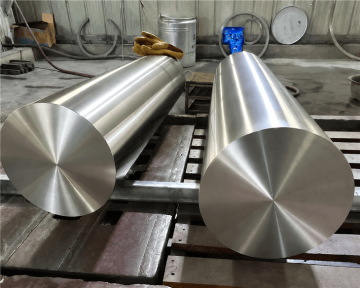
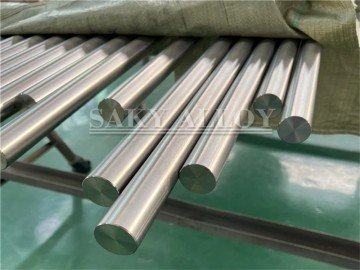
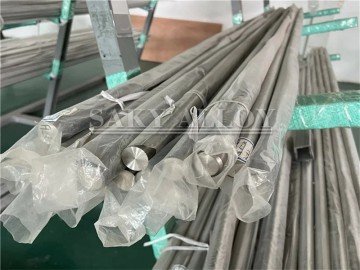
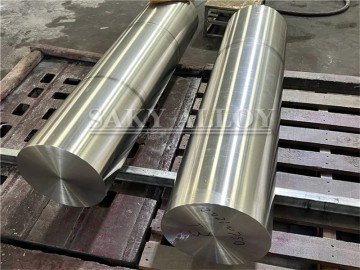
As a trusted name in the aerospace materials industry, sakyalloy specializes in the production of Grade 9 titanium rods and tubes tailored for critical aircraft systems. Our advanced forging, machining, and heat treatment processes ensure exceptional product quality and consistency.
Key Features of sakyalloy Grade 9 Titanium Rods:
-
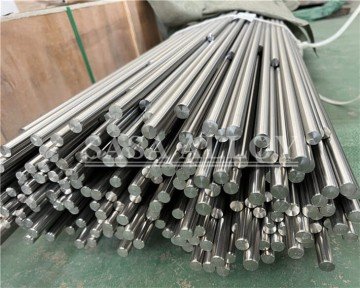
Available diameters: 3 mm to 200 mm
-
Lengths up to 6,000 mm
-
High surface finish and dimensional accuracy
-
Custom machining and cutting services
-
Worldwide delivery with export packaging standards
-
Compliance with AMS, ASTM, and ISO aerospace material requirements
By choosing sakyalloy, aerospace manufacturers benefit from materials that deliver reliability, precision, and performance — qualities that define next-generation aircraft engineering.
Future Outlook: Titanium and Sustainable Aviation
As aviation advances toward greener and more fuel-efficient aircraft, the demand for lightweight and durable materials will continue to grow. Titanium, particularly Grade 9, will play a vital role in:
-
Hydrogen fuel systems and alternative fuel aircraft designs
-
Electric propulsion systems, where lightweight thermal control is crucial
-
Additive manufacturing (3D printing) for complex fuel component geometries
The combination of sustainability, recyclability, and performance makes titanium a cornerstone of future aerospace innovation.
Conclusion
The integration of Grade 9 titanium rod into aircraft fuel systems represents a major advancement in aerospace material science. Its exceptional strength-to-weight ratio, corrosion resistance, fatigue performance, and thermal stability make it ideal for demanding fuel system components such as lines, valves, manifolds, and pumps.
By reducing weight and improving reliability, Grade 9 titanium contributes directly to fuel efficiency, operational safety, and long-term cost savings for airlines and aircraft manufacturers.
With extensive experience and global certifications, sakyalloy continues to lead the industry in providing premium-quality Grade 9 titanium rods for high-performance aerospace applications. From design to delivery, our materials empower engineers to create the next generation of lightweight, efficient, and sustainable aircraft.