
How SakyAlloy Ensures Consistent Microstructure in Every Grade 9 Titanium Rod
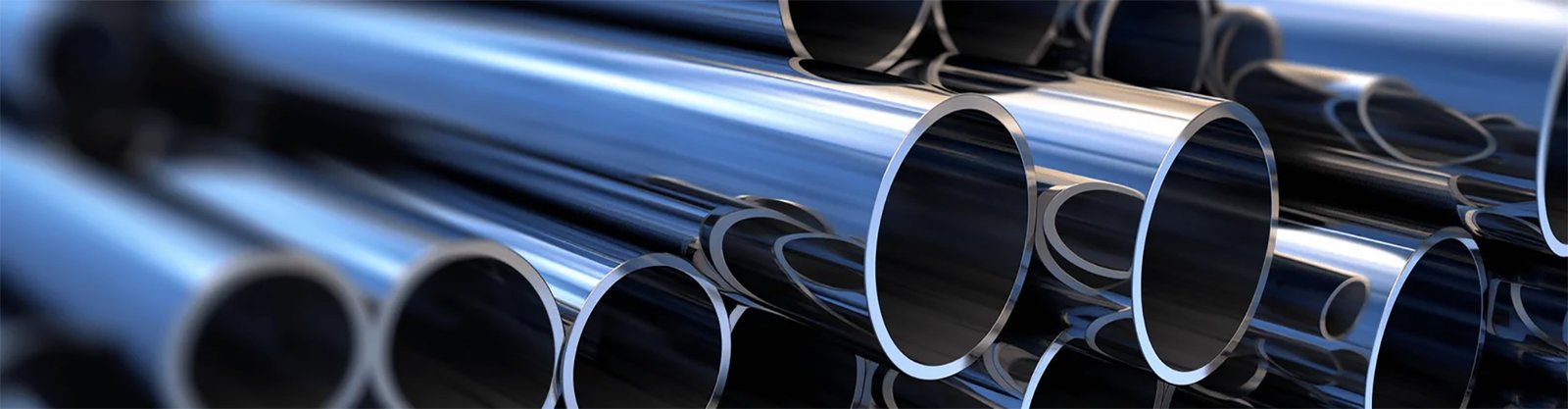
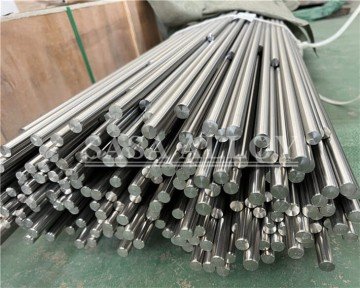
Grade 9 titanium alloy, also known as Ti-3Al-2.5V, is a near-alpha titanium alloy widely used in aerospace tubing, high-performance bicycle frames, medical devices, marine hardware, heat exchanger tubing, and precision industrial components. For these applications, stable and consistent microstructure is essential to guarantee reliable performance, mechanical properties, and long-term durability. Variations in microstructure can result in inconsistent strength, unexpected failure, reduced fatigue resistance, or processing difficulties. As a global supplier of titanium materials, sakyalloy follows a comprehensive production and inspection system to ensure that every Grade 9 titanium rod features an optimized and highly consistent microstructure.
Introduction to Grade 9 Titanium Microstructure
Grade 9 titanium alloy is composed of:
-
Titanium (base)
-
Aluminum: 2.5 to 3.5 percent
-
Vanadium: 2.0 to 3.0 percent
It belongs to the near-alpha titanium family, meaning its microstructure primarily consists of the alpha phase with a small amount of beta phase.
Benefits of Near-Alpha Microstructure:
-
High specific strength
-
Excellent corrosion resistance
-
Good weldability
-
Stable fatigue performance
-
Superior formability
-
Excellent long-term thermal stability
To maintain these properties, manufacturers must carefully control the microstructure throughout the melting, forming, and heat treatment processes.
Why Consistent Microstructure Matters
Uniform microstructure ensures:
1. Stable Mechanical Properties
Tensile strength, yield strength, and ductility depend on phase distribution.
2. Predictable Fatigue Resistance
Fatigue-sensitive applications—such as bicycle frames and aircraft tubing—require uniform grain size.
3. Good Weldability
Uneven microstructure can cause cracking or poor fusion during welding.
4. Dimensional Stability
Non-uniform grains cause deformation during machining or heat cycling.
5. Improved Corrosion Resistance
A homogeneous microstructure ensures stable passive film formation.
6. Compliance with Global Standards
Aerospace, marine, and medical applications require strict microstructural standards under ASTM, AMS, and ISO specifications.
How Microstructure Is Formed During Production
Microstructure is influenced by multiple factors:
-
Melting technology
-
Heat history
-
Rolling and forging temperature
-
Cooling rate
-
Cold working reduction
-
Heat treatment cycles
-
Chemical consistency
Each production stage plays a critical role in defining the final microstructure of Grade 9 titanium rods.
Step 1: Premium Melting Technology
To ensure chemical uniformity, sakyalloy uses advanced titanium melting technologies such as:
1. Vacuum Arc Remelting VAR
VAR ensures:
-
Very low oxygen and nitrogen levels
-
Uniform chemistry
-
High purity ingots
-
Minimal segregation
-
Stable microstructure formation
2. Triple Melt (When Required)
For aerospace or medical projects:
-
Plasma Arc Melting PAM
-
Electron Beam Melting EBM
-
Followed by VAR
Triple-melted Grade 9 titanium delivers exceptional metallurgical consistency.
Step 2: Controlled Ingot Conditioning
After melting, the ingot undergoes conditioning to prepare it for hot working.
Conditioning Steps Include:
-
Surface grinding to remove impurities
-
Ultrasonic inspection to check for internal defects
-
Machining to remove segregated layers
-
Heat treatment to stabilize the ingot structure
These processes create a uniform base microstructure before deformation.
Step 3: Precision Hot Working to Refine Grain Structure
Hot working significantly influences microstructure refinement.
Hot Rolling and Forging Are Optimized to:
-
Break down large grains into fine grains
-
Ensure stable alpha phase distribution
-
Reduce porosity and inclusions
-
Enhance mechanical performance
Temperature control is essential. Titanium becomes sensitive to contamination above certain temperatures, so sakyalloy strictly monitors deformation temperature and strain rate.
Step 4: Controlled Cooling to Define Alpha-Beta Balance
Cooling rate after hot working determines the distribution of alpha and beta phases.
Too Fast Cooling:
-
Can trap unstable beta phase
-
May reduce ductility
Too Slow Cooling:
-
Causes excessive grain growth
-
Reduces fatigue performance
sakyalloy optimizes cooling curves to maintain ideal grain size and phase proportions.
Step 5: Cold Working for Additional Strength and Uniformity
Cold drawing or cold rolling:
-
Strengthens the rod through strain hardening
-
Further refines grain structure
-
Improves dimensional tolerance
-
Enhances fatigue resistance
Excessive cold working may cause microstructural distortion, so reduction ratios are tightly controlled.
Step 6: Heat Treatment to Stabilize Microstructure
Heat treatment is essential for achieving consistent mechanical properties.
Main Heat Treatments for Grade 9 Titanium Rods
1. Stress Relief Annealing (425°C–650°C)
-
Removes residual stress
-
Improves microstructural stability
-
Prevents distortion during machining
2. Full Annealing (700°C–800°C)
-
Restores ductility
-
Rebalances alpha-beta distribution
-
Removes cold work hardening
-
Creates uniform grain size
Heat treatment serves as the final step to stabilize the microstructure before finishing and inspection.
Step 7: Microstructure Verification Through Metallographic Examination
Microstructure inspection is a mandatory part of quality control.
Sakyalloy Performs:
-
Optical microscopy
-
SEM scanning electron microscopy when required
-
Grain size measurement
-
Analysis of alpha and beta phase morphology
-
Checking for carbide or intermetallic formation
Each inspection ensures compliance with ASTM B348, AMS 4943, and customer-specific microstructure requirements.
Microstructural Requirements for Grade 9 Titanium Rods
Typical microstructure features include:
-
Fine equiaxed alpha grains
-
Uniform alpha-beta distribution
-
No continuous grain boundary beta
-
Absence of harmful phases such as sigma
-
Controlled grain size under ASTM grain size number standards
These conditions ensure dependable fatigue performance and forming behavior.
Step 8: Ensuring Microstructure Uniformity in Cold-Finished Rods
Cold finishing such as centerless grinding or polishing must not introduce microstructural defects.
Controls Include:
-
Avoiding overheating during grinding
-
Maintaining straightness to avoid localized strain
-
Final stress relief to remove grinding-induced stress
This ensures surface quality without altering the underlying microstructure.
How sakyalloy Guarantees Microstructural Consistency
As a leading titanium supplier, sakyalloy ensures:
1. Strict Raw Material Selection
Only certified VAR or triple-melt ingots are used.
2. Advanced Hot Working Technology
Precise temperature control ensures fine grain structure.
3. Controlled Cold Working
Optimized reduction ratios maintain microstructural stability.
4. Precision Heat Treatment
Automated furnace systems ensure uniform thermal cycles.
5. Full Metallographic Examination
Documented microstructure for every batch.
6. Complete Traceability
Heat numbers and MTC EN10204 3.1 certified documentation guarantee transparency.
Applications Requiring Consistent Microstructure
Aerospace
-
Hydraulic tubes
-
Aircraft structural supports
Medical
-
Implants and surgical instruments
Cycling Industry
-
High-performance bicycle frames
Marine Engineering
-
Seawater-exposed components
Heat Exchangers
-
Seamless tubing and condensers
These industries rely heavily on microstructural uniformity for safety and longevity.
Conclusion
Consistent microstructure is the foundation of mechanical strength, fatigue resistance, and corrosion performance in Grade 9 titanium rods. Through advanced melting technologies, precision hot working, controlled cold finishing, optimized heat treatment, and rigorous metallographic inspection, sakyalloy ensures every Ti-3Al-2.5V titanium rod meets strict international standards. This commitment to metallurgical precision guarantees stable, high-performance titanium products for aerospace, medical, marine, and industrial applications worldwide.