
How Titanium Bar Performs in Acidic Environments
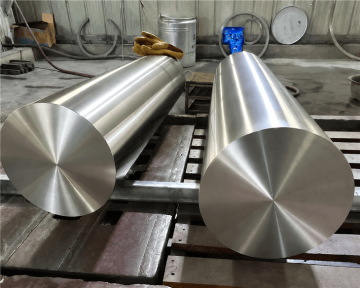
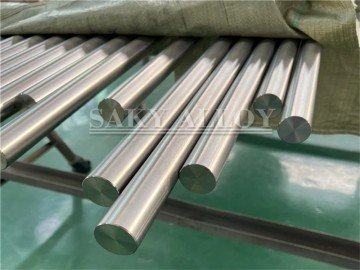
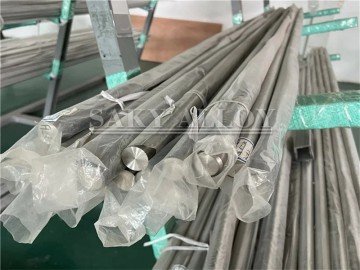
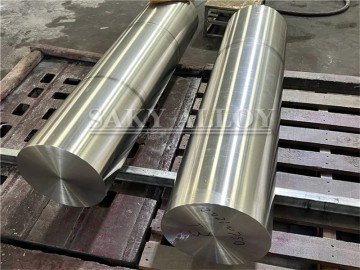
Titanium has long been recognized as one of the most corrosion-resistant metals available for industrial use. Its unique chemical properties make it ideal for applications in challenging environments, including exposure to strong acids. Titanium bars, in particular, are used in industries where components face constant contact with acidic solutions, such as chemical processing, desalination plants, pulp and paper production, and marine engineering.
This article explores how titanium bars perform in acidic environments, the science behind their resistance, the limitations they may have, and where their use provides significant advantages over other materials.
Understanding Acidic Corrosion
Acidic corrosion occurs when materials are exposed to environments with a pH lower than 7. Acids can aggressively attack metals by dissolving their oxide layers and initiating metal ion release. Common industrial acids include:
-
Sulfuric acid (H₂SO₄)
-
Hydrochloric acid (HCl)
-
Nitric acid (HNO₃)
-
Phosphoric acid (H₃PO₄)
-
Hydrofluoric acid (HF)
Metals like carbon steel and even some stainless steels can degrade quickly in such conditions, leading to equipment failure and high replacement costs.
Why Titanium Bars Resist Acidic Attack
1. Protective Oxide Layer
Titanium forms a stable and tightly adherent oxide film (TiO₂) when exposed to oxygen. This passive layer is self-healing, meaning that even if scratched or damaged, it reforms almost instantly in the presence of oxygen or moisture.
2. Resistance to Most Acids
Titanium’s oxide layer resists attack from many reducing and oxidizing acids, particularly at low to moderate temperatures. For example, titanium shows excellent resistance to sulfuric acid at concentrations below 20% and to nitric acid across a wide range of concentrations.
3. Low Corrosion Rates
Even in acidic conditions, titanium exhibits corrosion rates measured in micrometers per year, which is significantly lower than most metals.
4. No Contamination of Process Fluids
Because titanium resists dissolution, it does not release metal ions that could contaminate sensitive chemical processes.
Performance in Different Acids
Sulfuric Acid
Titanium is highly resistant at concentrations below 20% and temperatures under 100°C. At higher concentrations and temperatures, corrosion resistance may decrease, but still outperforms many alloys.
Hydrochloric Acid
Hydrochloric acid can be aggressive to titanium, especially at high concentrations and elevated temperatures. However, in dilute solutions and controlled conditions, titanium remains viable.
Nitric Acid
Titanium exhibits exceptional resistance to nitric acid due to its ability to form an even more protective oxide layer in oxidizing conditions.
Phosphoric Acid
Widely used in fertilizer production, phosphoric acid environments are well-suited for titanium equipment, especially when impurities like chlorides are minimal.
Hydrofluoric Acid
Unlike most acids, HF can attack titanium by dissolving its oxide layer. This requires caution, and in such cases, titanium is typically avoided or used with protective coatings.
Applications of Titanium Bars in Acidic Environments
Chemical Processing Equipment
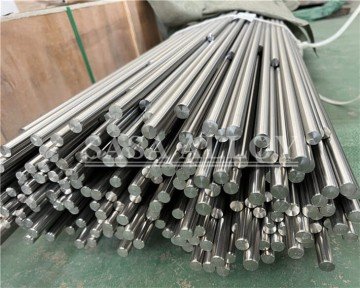
Titanium bars are fabricated into shafts, frames, and support structures for acid-resistant machinery.
Heat Exchangers
Used in acidic process streams, titanium heat exchanger tubing and support bars maintain integrity under continuous operation.
Marine Engineering
Titanium bars resist acidic biofouling and microbial corrosion in seawater environments.
Pulp and Paper Industry
Bleaching processes using acidic chemicals benefit from titanium’s longevity in machinery components.
Desalination Plants
Titanium bars in acid-cleaned systems withstand repeated exposure without degradation.
Advantages Over Other Metals
| Property | Stainless Steel | Nickel Alloys | Titanium |
|---|---|---|---|
| Corrosion Resistance in Nitric Acid | Good | Excellent | Excellent |
| Corrosion Resistance in Hydrochloric Acid | Poor | Moderate | Moderate |
| Weight | Heavy | Heavy | Light |
| Maintenance Cost | High | High | Low |
| Life Span in Acidic Environments | Moderate | High | Very High |
Titanium stands out for its strength-to-weight ratio, corrosion resistance, and reduced maintenance requirements, making it an economically attractive choice over time.
Fabrication and Handling Considerations
-
Welding Techniques
Titanium welding must be done under inert gas shielding to prevent contamination and loss of corrosion resistance. -
Surface Cleaning
Keep titanium surfaces free from iron contamination, which can compromise corrosion performance. -
Design for Drainage
In acidic service, avoid stagnant zones where localized attack could occur.
Limitations in Acidic Environments
While titanium performs exceptionally in many acids, limitations exist:
-
Hydrofluoric acid and fluoride-containing acids can be highly aggressive.
-
In strong reducing acids at high temperatures, titanium’s resistance can diminish.
-
Proper alloy selection (such as palladium-stabilized grades) may be required for very aggressive conditions.
Extending Titanium’s Service Life in Acidic Environments
-
Use Alloy Variants – Titanium alloys containing palladium or molybdenum improve resistance to certain acids.
-
Apply Protective Coatings – Enhance performance in borderline environments.
-
Maintain Proper Cleaning – Prevent deposit buildup that could shield areas from oxygen and hinder oxide layer regeneration.
-
Monitor Operating Conditions – Keep temperatures and acid concentrations within recommended ranges.
Industry Standards for Acid-Resistant Titanium
-
ASTM B348 – Specification for titanium and titanium alloy bars and billets.
-
ASME SB-348 – Standards for titanium used in pressure equipment.
-
ISO 5832-2 – Titanium alloys for surgical implants (relevant for acidic bodily environments).
Role of Reliable Suppliers
In critical acidic applications, sourcing titanium bars from trusted manufacturers ensures consistent performance. High-quality titanium, such as that supplied by sakyalloy, undergoes stringent quality control, meets international specifications, and offers proven resistance in demanding acidic conditions. With sakyalloy, customers benefit from titanium solutions designed for long-term durability in aggressive environments.
Conclusion
Titanium bars deliver outstanding performance in many acidic environments due to their self-healing oxide layer, corrosion resistance, and mechanical strength. While not immune to every acid, particularly hydrofluoric acid, titanium offers superior longevity and reduced maintenance in most industrial acidic applications.
From chemical processing to marine engineering, titanium’s ability to maintain integrity under acidic attack ensures safe, reliable, and cost-effective operation. With proper material selection, design, and handling, titanium remains a top choice for industries where acid corrosion is a constant challenge.