
How Titanium Bars Are Used in the Automotive Industry
Titanium is one of the most versatile and high-performance metals used in a wide range of industries, including the automotive sector. The automotive industry demands materials that offer a combination of strength, lightweight properties, and durability to enhance vehicle performance, fuel efficiency, and safety. Titanium, especially titanium bars, is increasingly being used in various automotive applications due to its unique properties. From engine components to exhaust systems, titanium is playing an integral role in revolutionizing the automotive industry.
In this article, we will explore how titanium bars are used in the automotive industry, their benefits, and why SAKYALLOY provides high-quality titanium bars tailored for automotive applications.
1. Why Titanium is Ideal for Automotive Applications
Titanium is a metal that combines several critical properties, making it an excellent choice for automotive manufacturing. These properties include:
-
High Strength-to-Weight Ratio: Titanium is stronger than steel but much lighter, which is crucial in automotive design to improve fuel efficiency, speed, and overall vehicle performance.
-
Corrosion Resistance: Titanium is highly resistant to corrosion and rust, even in extreme environments, including exposure to road salts, high temperatures, and other harsh conditions.
-
Durability: Titanium’s excellent fatigue resistance ensures that automotive components made from titanium will withstand repeated stresses and loads over time without degradation.
-
High-Temperature Resistance: Titanium can maintain its strength and integrity even at high temperatures, making it suitable for engine components and exhaust systems that are exposed to high levels of heat.
These attributes make titanium bars a preferred material for several critical automotive components, from performance parts to structural elements.
2. Automotive Applications of Titanium Bars
Titanium bars are used in various parts of a vehicle, particularly where strength, durability, and weight reduction are paramount. Some of the most common automotive applications of titanium bars include:
2.1 Engine Components
Titanium bars are increasingly being used in engine components due to their strength, lightweight nature, and heat resistance. Components such as valves, connecting rods, and cylinder heads made from titanium bars offer improved performance, higher strength, and reduced weight compared to traditional steel components.
-
Titanium Engine Valves: Titanium’s ability to withstand high temperatures makes it ideal for use in engine valves, which are subjected to extreme heat and pressure during operation. Titanium engine valves are lighter, allowing for faster engine speeds and improved performance while reducing the overall weight of the engine.
-
Connecting Rods: Titanium connecting rods are used in high-performance engines to reduce weight and increase strength. They provide enhanced fatigue resistance, which is crucial in high-revving engines that undergo repetitive stress.
-
Cylinder Heads: Titanium bars are sometimes used in the manufacture of cylinder heads, especially in performance engines, where durability and weight reduction are essential.
2.2 Exhaust Systems
Exhaust systems in high-performance vehicles and racing cars often use titanium components due to the material’s excellent resistance to heat and corrosion. Titanium exhaust systems are lighter than their stainless steel counterparts, improving the overall weight distribution and fuel efficiency of the vehicle.
-
Titanium Exhaust Pipes: Titanium exhaust pipes help reduce the overall weight of the vehicle while offering better resistance to high temperatures and corrosive exhaust gases.
-
Titanium Mufflers: Mufflers made from titanium bars are lighter and more durable, improving the longevity of the exhaust system while providing superior performance in high-temperature conditions.
The use of titanium in exhaust systems is not limited to high-performance vehicles. It is also becoming increasingly common in regular consumer vehicles, where reduced weight and enhanced corrosion resistance are important for longevity and fuel efficiency.
2.3 Suspension Components
Titanium’s strength and lightweight properties make it an ideal material for suspension components such as shock absorbers, springs, and control arms. By using titanium bars in suspension systems, automakers can improve vehicle handling, reduce weight, and enhance overall driving dynamics.
-
Titanium Springs: Titanium bars are used to make high-performance suspension springs, offering a balance of strength, flexibility, and reduced weight compared to steel springs.
-
Titanium Control Arms: Titanium control arms provide enhanced strength and durability while reducing the weight of the suspension system. This leads to improved handling and performance, especially in racing or sports cars.
2.4 Wheels and Fasteners
Titanium bars are also used in the manufacture of lightweight wheels and fasteners. While titanium wheels are less common in everyday consumer vehicles, they are widely used in high-performance and racing cars where every kilogram of weight reduction contributes to enhanced performance.
-
Titanium Wheels: Titanium alloy wheels are lighter and stronger than aluminum and steel wheels, offering reduced weight and improved performance, particularly in racing vehicles.
-
Titanium Fasteners: Titanium bolts, nuts, and screws are used throughout the vehicle to reduce weight and improve corrosion resistance. These fasteners are particularly common in high-performance engines and chassis components.
2.5 Aerospace-Inspired Automotive Components
The use of titanium bars in automotive design is heavily influenced by the aerospace industry, where titanium has been used for decades to build lightweight, high-strength components. As automotive manufacturers seek to improve fuel efficiency and performance, titanium’s properties make it a natural fit for aerospace-inspired automotive applications.
-
Titanium Fuel Tanks: Lightweight titanium bars are used to create fuel tanks in some high-performance vehicles, reducing the overall weight and increasing fuel efficiency.
-
Titanium Body Panels: Titanium is being experimented with for use in body panels, especially in racing and luxury cars, where performance and weight reduction are critical. Titanium body panels offer improved resistance to damage while maintaining a lightweight structure.
3. Advantages of Using Titanium Bars in Automotive Manufacturing
There are numerous advantages to using titanium bars in the automotive industry, ranging from improved performance to increased longevity. Let’s look at some of the key benefits:
3.1 Weight Reduction
One of the primary reasons titanium bars are used in automotive components is their excellent strength-to-weight ratio. Titanium is much lighter than steel but offers superior strength, making it an ideal material for reducing the overall weight of the vehicle without sacrificing performance or safety. By replacing steel and aluminum components with titanium, manufacturers can significantly reduce the vehicle’s weight, leading to improved fuel efficiency, handling, and speed.
3.2 Improved Durability and Performance
Titanium’s high strength, resistance to fatigue, and ability to withstand high temperatures contribute to its exceptional performance in automotive applications. Components made from titanium bars are less prone to wear and tear, providing longer-lasting performance and reducing the frequency of repairs and replacements.
3.3 Corrosion Resistance
Titanium’s resistance to corrosion makes it an ideal material for automotive components exposed to harsh conditions, such as exhaust systems and engine parts. Titanium bars can withstand exposure to heat, moisture, and chemicals without rusting or degrading, ensuring that parts maintain their strength and functionality over time.
3.4 Enhanced Safety
The strength and durability of titanium contribute to vehicle safety. Titanium components help ensure that structural parts of the vehicle, such as suspension systems and engine components, are capable of withstanding high forces and stresses during operation, reducing the risk of failure and enhancing the overall safety of the vehicle.
4. Why Choose SAKYALLOY for Titanium Bars in Automotive Applications?
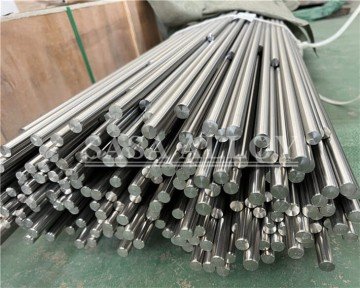
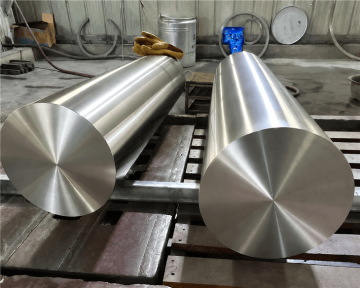
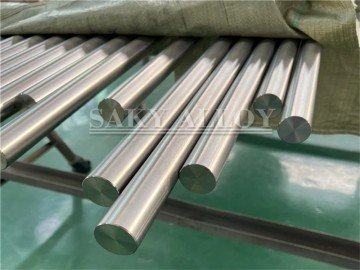
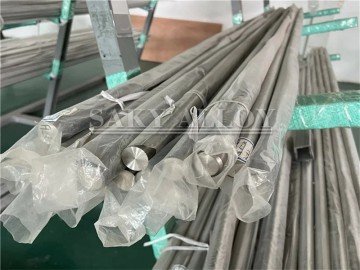
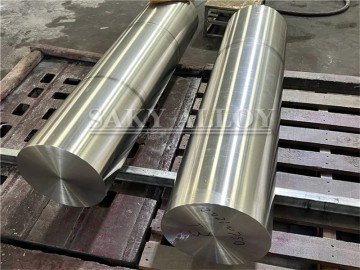
At SAKYALLOY, we provide high-quality titanium bars that are ideal for automotive manufacturing. Our titanium bars undergo rigorous quality control processes to ensure that they meet the demanding standards of the automotive industry. Whether you need titanium for engine components, exhaust systems, suspension parts, or fasteners, SAKYALLOY ensures that each bar is produced with precision and performance in mind.
We understand the unique requirements of the automotive industry, and our titanium bars are designed to deliver superior strength, corrosion resistance, and lightweight performance. With our commitment to quality and customer satisfaction, SAKYALLOY is your trusted partner for titanium materials in automotive applications.
5. Conclusion
Titanium bars play an essential role in the automotive industry by offering a combination of strength, lightweight properties, corrosion resistance, and durability. From engine components and exhaust systems to suspension parts and wheels, titanium is helping to improve vehicle performance, safety, and fuel efficiency. As the demand for high-performance vehicles grows, the use of titanium bars in automotive manufacturing will continue to rise.
By choosing SAKYALLOY for your titanium bar needs, you are ensuring that your automotive components meet the highest standards of quality and reliability. Whether you’re working on racing cars, luxury vehicles, or everyday consumer automobiles, SAKYALLOY provides the titanium materials you need to succeed.