
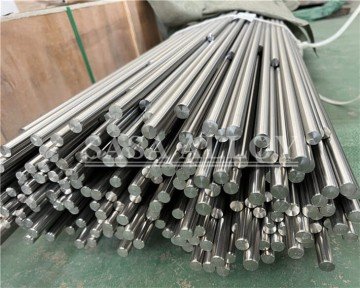
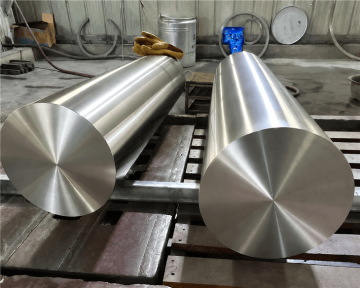
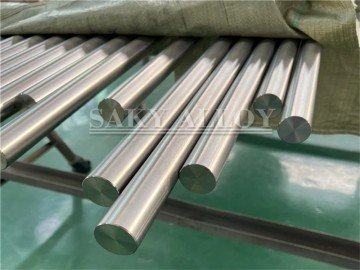
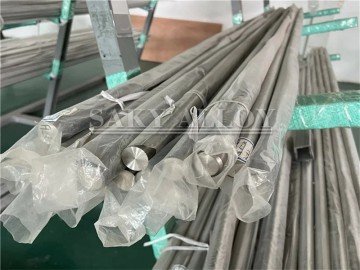
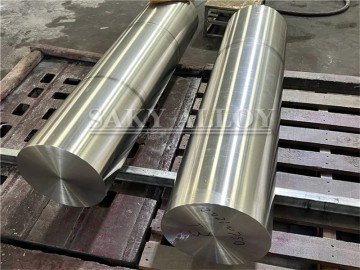
How Titanium Bars Contribute to Lightweight Structures
In modern engineering and construction, lightweight structures are a critical focus for industries aiming to improve efficiency, reduce costs, and enhance performance. Whether in aerospace, automotive, architecture, or renewable energy systems, reducing structural weight without sacrificing strength is a constant challenge. Titanium bars have emerged as one of the most effective solutions for achieving this balance.
Renowned for their high strength-to-weight ratio, corrosion resistance, and durability, titanium bars are reshaping the design possibilities of lightweight structures. This article explores the properties of titanium bars, their advantages in weight reduction, and their applications across different sectors.
The Concept of Lightweight Structures
Lightweight structures are designed to provide the required load-bearing capacity while minimizing material mass. The primary goals of such designs are:
-
Reducing operational energy consumption
-
Enhancing structural efficiency
-
Lowering transportation and installation costs
-
Increasing performance in speed, maneuverability, or endurance
Achieving these goals requires materials with exceptional mechanical properties — which is where titanium bars excel.
Properties of Titanium Bars That Enable Lightweight Design
1. High Strength-to-Weight Ratio
Titanium is as strong as high-grade steel but weighs approximately 45% less. This allows engineers to design components with the same or greater strength while significantly reducing mass.
2. Corrosion Resistance
Titanium naturally forms a protective oxide layer, making it highly resistant to corrosion from water, salt, and chemicals. This eliminates the need for heavy protective coatings or treatments.
3. Excellent Fatigue Resistance
Lightweight structures often face repeated stress cycles. Titanium’s resistance to fatigue means that thinner sections can be used without compromising safety.
4. Thermal Stability
Titanium maintains its mechanical properties at elevated temperatures, allowing it to be used in high-heat environments without the need for heavier reinforcement.
Benefits of Lightweight Structures Using Titanium Bars
1. Energy Efficiency
Reducing weight lowers fuel consumption in vehicles, aircraft, and ships, contributing to both cost savings and reduced environmental impact.
2. Increased Payload Capacity
In transport systems, lighter structures allow for larger payloads without exceeding weight limits.
3. Improved Performance
For aerospace and automotive applications, reduced weight improves acceleration, maneuverability, and range.
4. Lower Transportation Costs
Lighter components reduce shipping weight, cutting transportation expenses for large-scale construction projects.
5. Extended Service Life
Titanium’s durability ensures that structures remain functional for longer, reducing the need for frequent replacements.
Applications of Titanium Bars in Lightweight Structures
Aerospace Industry
In aircraft, titanium bars are used in fuselage frames, landing gear, and engine mounts. These components must be strong enough to handle extreme forces yet light enough to maximize fuel efficiency.
Automotive Sector
High-performance and electric vehicles use titanium bars in suspension systems, chassis reinforcements, and exhaust components to achieve a balance between strength and reduced weight.
Marine Engineering
Yachts, submarines, and offshore platforms benefit from titanium’s corrosion resistance and weight savings, allowing for improved stability and speed.
Civil Engineering
Titanium bars are used in lightweight bridge reinforcements, architectural facades, and public structures where reduced mass helps minimize foundation loads.
Renewable Energy
Wind turbine components and solar panel frames made with titanium bars are lighter, making installation easier and reducing stress on supporting structures.
Titanium vs Other Materials for Lightweight Structures
| Property | Titanium Bar | Aluminum | Carbon Fiber | Stainless Steel |
|---|---|---|---|---|
| Strength-to-Weight Ratio | Excellent | Good | Excellent | Good |
| Corrosion Resistance | Excellent | Good | Excellent | Very Good |
| Fatigue Resistance | Excellent | Moderate | Good | Good |
| Thermal Stability | High | Moderate | Low | High |
| Recyclability | Excellent | Excellent | Limited | Excellent |
| Cost | High | Low | High | Moderate |
While carbon fiber is lighter than titanium, it is not as versatile in high-temperature or high-load applications. Aluminum offers good performance but lacks the strength and fatigue resistance of titanium.
Design Considerations When Using Titanium Bars
-
Machining and Fabrication – Titanium requires specialized cutting tools and techniques to prevent tool wear and material distortion.
-
Joining Methods – Welding titanium demands inert gas shielding to prevent contamination, or mechanical fastening may be used.
-
Cost Management – Although titanium has a higher initial cost, its long service life often offsets this investment.
-
Optimization – Engineers can design with thinner titanium sections due to its superior strength, further reducing weight.
Case Studies
Case Study 1 – Aerospace Frame Optimization
A prototype aircraft replaced steel support members with titanium bars, reducing frame weight by 30% while maintaining the same structural load capacity. This led to a 12% improvement in fuel efficiency.
Case Study 2 – Lightweight Pedestrian Bridge
A coastal pedestrian bridge used titanium bars for its main support beams, eliminating the need for heavy anti-corrosion coatings. The reduced weight allowed for smaller foundations, cutting construction time by 20%.
Sustainability Impact of Titanium in Lightweight Structures
Titanium is 100% recyclable and retains its properties through multiple recycling cycles. Lightweight structures using titanium contribute to lower carbon emissions in both the construction and operational phases. By using materials that last longer and weigh less, industries reduce waste and energy consumption over the lifecycle of a project.
Role of Quality Suppliers
The performance of titanium bars in lightweight structures depends on their quality and manufacturing standards. Leading suppliers such as sakyalloy provide aerospace- and construction-grade titanium bars that meet strict mechanical, chemical, and dimensional specifications. This ensures consistent performance in demanding environments.
Future Trends
-
Hybrid Material Structures – Combining titanium bars with composites to maximize weight savings.
-
Additive Manufacturing – 3D printing complex titanium components with optimized internal geometries for even lighter designs.
-
Sustainable Architecture – Increasing use of titanium in net-zero energy buildings.
-
Advanced Transportation – More widespread adoption in electric aircraft, urban air mobility systems, and autonomous vehicles.
Conclusion
Titanium bars are a transformative material for creating lightweight structures that do not compromise on strength, durability, or safety. Their exceptional mechanical properties, corrosion resistance, and recyclability make them ideal for applications ranging from aerospace to architecture.
While the initial cost of titanium is higher than some alternatives, the long-term benefits in performance, sustainability, and maintenance savings make it a strategic choice for forward-thinking projects. Partnering with suppliers like sakyalloy ensures access to high-quality titanium bars that unlock the full potential of lightweight design, helping industries achieve higher efficiency and reduced environmental impact.