
How Titanium Bars Handle Vibration and Fatigue
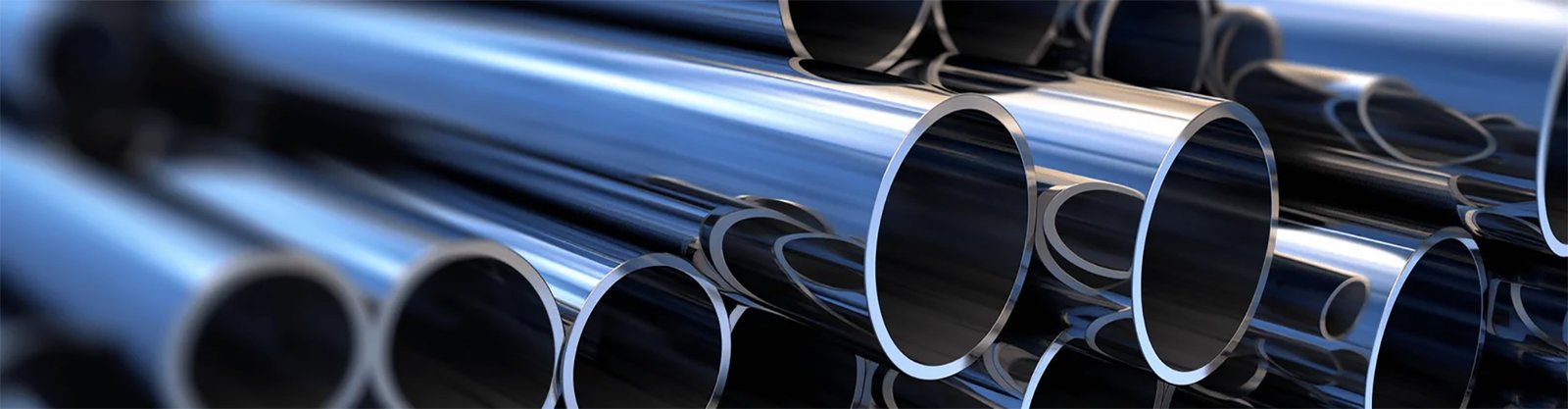
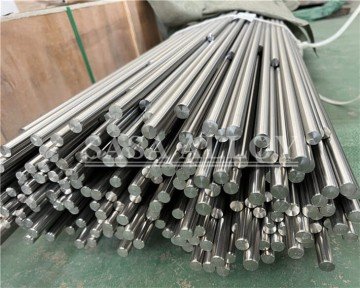
Titanium bars have earned a prominent place in engineering and manufacturing due to their exceptional combination of strength, low weight, and corrosion resistance. These properties make them ideal for applications that involve high mechanical loads, cyclic stresses, and demanding environmental conditions. Among the many performance factors to consider when selecting materials, vibration resistance and fatigue performance are especially important in industries such as aerospace, marine, automotive, medical, and industrial manufacturing.
This article explores how titanium bars perform under vibration and fatigue, the scientific principles behind their durability, and why they are a preferred material in critical engineering applications.
Understanding Vibration and Fatigue
Vibration
Vibration refers to the oscillatory motion of a component under mechanical excitation. It can be caused by rotating equipment, uneven loads, aerodynamic forces, or environmental disturbances. If uncontrolled, vibration can cause material wear, loosening of connections, and eventual structural failure.
Fatigue
Fatigue occurs when a material is subjected to repeated loading and unloading cycles, even when the stresses are below its tensile strength. Over time, microcracks can initiate and propagate, leading to sudden failure. Fatigue is a common cause of mechanical component failure, especially in dynamic systems.
Why Titanium Bars Perform Well Under Vibration
1. High Strength-to-Weight Ratio
Titanium’s density is about 4.5 g/cm³, nearly half that of steel, but it retains impressive mechanical strength. This means titanium bars can handle significant loads without excessive mass, reducing inertia and susceptibility to harmful resonant vibrations.
2. Good Damping Capacity
While not as high as certain alloys designed specifically for damping, titanium’s damping properties help dissipate vibration energy, reducing the amplitude of oscillations and extending service life.
3. Excellent Elastic Modulus-to-Weight Balance
Titanium’s modulus of elasticity is lower than steel’s, allowing it to flex slightly under vibration without permanent deformation. This flexibility helps absorb and distribute vibrational forces rather than concentrating them at stress points.
4. Resistance to Environmental Degradation
Vibration-related failures often worsen in corrosive environments due to pitting or stress corrosion cracking. Titanium’s corrosion resistance ensures surface integrity, even in seawater, chemical plants, and other aggressive conditions.
Fatigue Resistance of Titanium Bars
Titanium’s fatigue resistance is a major reason for its use in aerospace, marine, and biomedical applications. Key factors influencing its fatigue performance include:
1. Microstructure
The alpha-beta microstructure of many titanium alloys offers a combination of ductility and strength, improving crack initiation resistance.
2. Surface Finish
Smooth surfaces significantly delay fatigue crack initiation. Titanium bars are often polished or machined to tight tolerances for fatigue-critical applications.
3. Notch Sensitivity
Titanium exhibits lower notch sensitivity than many other metals, meaning small defects or design features like holes and grooves have less effect on fatigue strength.
4. Environmental Stability
Because titanium resists oxidation and corrosion, there is minimal environmental weakening of the surface that could otherwise accelerate fatigue damage.
Testing Titanium for Vibration and Fatigue Performance
To ensure titanium bars meet performance requirements, manufacturers and engineers conduct rigorous testing:
-
Rotating Beam Fatigue Tests – Measure the number of cycles to failure under constant stress.
-
Resonance Fatigue Tests – Simulate high-frequency vibration environments.
-
Tensile and Compression Tests – Verify baseline mechanical properties.
-
Fracture Mechanics Analysis – Evaluate crack growth rates under cyclic loading.
Applications Where Vibration and Fatigue Resistance are Critical
Aerospace
Aircraft components such as landing gear, wing structures, and engine mounts experience high-frequency vibrations and cyclic stresses during flight. Titanium bars provide long service life and weight savings.
Marine
In shipbuilding and offshore structures, titanium bars handle the combined effects of wave-induced vibration, cyclic loads, and saltwater corrosion.
Automotive
In performance and electric vehicles, titanium is used in suspension components, drive shafts, and exhaust systems where fatigue and vibration resistance improve safety and durability.
Industrial Machinery
Titanium bars are used in rotating shafts, pump components, and high-speed machinery where vibration is a constant operational factor.
Medical
Implants such as orthopedic rods and dental posts experience mechanical loads over years of use. Titanium’s fatigue resistance ensures long-term stability inside the human body.
Best Practices for Maximizing Vibration and Fatigue Resistance in Titanium Bars
-
Proper Design
-
Avoid sharp corners and sudden section changes that concentrate stress.
-
-
Surface Treatment
-
Use polishing, shot peening, or coatings to improve surface integrity.
-
-
Controlled Welding
-
Follow titanium-specific welding procedures to maintain fatigue performance.
-
-
Regular Inspection
-
Use nondestructive testing (NDT) to detect early signs of fatigue cracks.
-
-
Avoid Overloading
-
Design for adequate safety margins based on expected load cycles.
-
Industry Standards for Titanium Bars
Many titanium bar applications are governed by international standards to ensure quality and performance:
-
ASTM B348 – Titanium and titanium alloy bars and billets.
-
AMS 4928 – Titanium alloy bars for aerospace applications.
-
ISO 5832-2 – Titanium alloys for surgical implants.
Compliance ensures consistent mechanical properties and verified fatigue resistance.
Why Choose a Trusted Supplier
Working with a reliable manufacturer ensures that titanium bars are produced with high-quality raw materials, precise manufacturing processes, and strict quality control. Leading suppliers like sakyalloy provide titanium bars that meet international standards, undergo thorough fatigue and vibration testing, and are tailored to the specific needs of industries. With the expertise of sakyalloy, customers can be confident their titanium components will deliver exceptional performance in demanding environments.
Conclusion
Titanium bars offer a unique balance of light weight, high strength, corrosion resistance, and fatigue durability, making them ideal for applications where vibration and cyclic stresses are major concerns. Their ability to maintain structural integrity under repeated loading, combined with resistance to environmental degradation, ensures long service life across multiple industries.
From aerospace to marine, automotive to medical applications, titanium’s vibration and fatigue resistance help engineers design safer, more reliable, and longer-lasting systems. By combining smart design, proper maintenance, and high-quality material sourcing, titanium bars continue to be one of the most dependable solutions for vibration- and fatigue-prone environments.