
How to Choose the Right Grade of Titanium Pipe
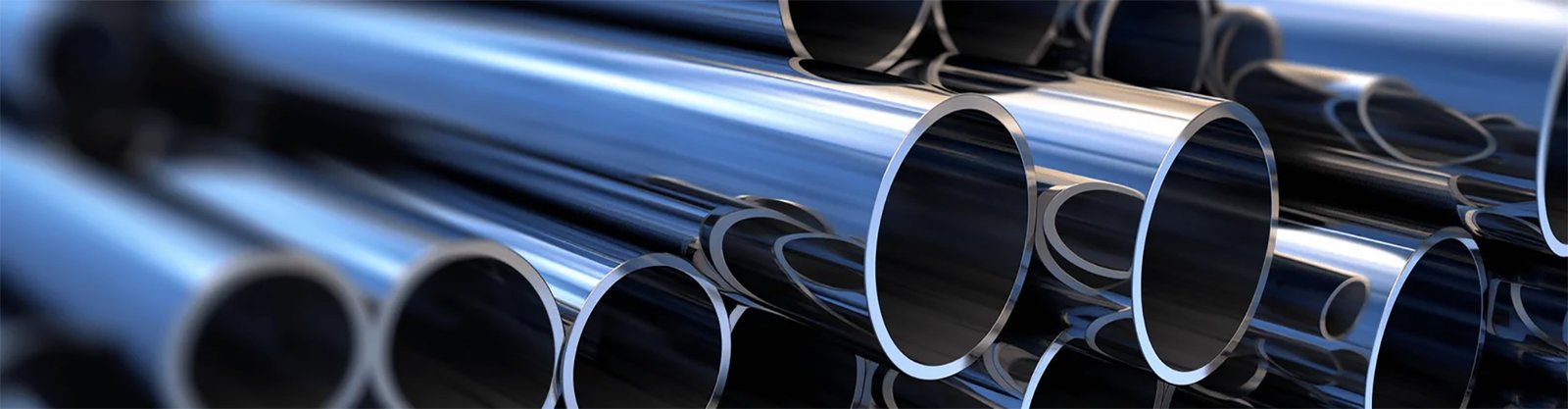
Titanium pipe is widely used in industries that demand exceptional strength, low weight, and outstanding corrosion resistance. From aerospace systems and offshore platforms to chemical processing plants and medical equipment, titanium piping solutions are trusted in environments where failure is not an option. However, with several grades of titanium available, selecting the right one for your application is critical. In this guide, we explain how to choose the right grade of titanium pipe, so you can make informed decisions that ensure safety, performance, and cost-effectiveness.
Why Choosing the Right Titanium Grade Matters
Titanium is not a single material — it comes in a variety of grades, each offering a unique balance of properties. The right grade will:
-
Provide optimal corrosion resistance in your operating environment.
-
Deliver the necessary mechanical strength for pressure, load, or structural demands.
-
Ensure compatibility with joining, forming, or machining processes.
-
Help manage project costs by avoiding over-specification or material waste.
-
Comply with industry standards and regulatory requirements.
Suppliers like sakyalloy help customers select and supply titanium pipe grades that meet both technical and commercial objectives.
Understanding Titanium Grades
Titanium is classified into commercially pure (CP) grades and titanium alloys. Here’s an overview of the most commonly used grades for pipe:
Commercially Pure Titanium Grades
-
Grade 1: The softest and most ductile titanium grade. It offers excellent corrosion resistance, particularly in highly oxidizing or chloride-rich environments. Best for applications requiring formability over strength.
-
Grade 2: The most widely used CP titanium grade. It balances strength and corrosion resistance, making it ideal for chemical processing, marine, and desalination applications.
-
Grade 3: Stronger than Grades 1 and 2 but less formable. Used where higher strength is needed in moderately corrosive environments.
-
Grade 7: Similar to Grade 2 but with a small palladium addition for enhanced resistance to reducing acids and crevice corrosion.
-
Grade 11: Like Grade 1, with added palladium to boost corrosion resistance in reducing and oxidizing conditions.
Titanium Alloys
-
Grade 5 (Ti-6Al-4V): The most common titanium alloy. Known for high strength, good corrosion resistance, and excellent performance in high-temperature environments. Frequently used in aerospace, power generation, and military applications.
-
Grade 12: A titanium alloy with small amounts of nickel and molybdenum, offering improved corrosion resistance and strength over CP grades. Suitable for mildly reducing or fluctuating corrosive environments.
-
Other grades: Specialty titanium alloys (e.g., Grades 9, 16, 17) are specified for particular conditions or regulatory requirements.
Factors to Consider When Choosing the Right Titanium Grade
1. Corrosion Resistance Requirements
Corrosion resistance is often the primary reason for specifying titanium pipe. The right grade depends on your specific environment:
-
Seawater and marine environments: Grade 2 is widely used due to its excellent resistance to seawater corrosion.
-
Chemical processing: Grade 7 or Grade 11 are preferred in systems handling reducing acids, such as hydrochloric acid, where added palladium enhances protection.
-
Desalination plants: Grade 2 or Grade 16 provide outstanding performance against brine and chlorides.
Evaluate the fluids, temperature, pressure, and potential contaminants in your system to select a grade that will withstand long-term exposure without degradation.
2. Mechanical Strength Requirements
If your application involves pressure containment, load-bearing, or structural support, mechanical strength becomes critical.
-
For high strength needs: Grade 5 (Ti-6Al-4V) or Grade 12 are preferred.
-
For moderate strength with corrosion resistance: Grade 2 or Grade 3 are commonly used.
-
For low-stress applications prioritizing formability: Grade 1 is suitable.
Check project specifications or consult structural design codes to determine the minimum yield and tensile strength required for your piping.
3. Fabrication and Forming Needs
Different grades of titanium vary in how easy they are to form, weld, or machine.
-
Best for forming and cold working: Grade 1 and Grade 2.
-
Good for welding: All CP titanium grades and Grade 12 can be welded readily; Grade 5 requires greater care and control.
-
Best for machining: Grade 5, due to its higher strength, responds better to precision machining, though tool wear should be managed.
When your project involves extensive bending, flaring, or shaping, opt for a grade known for high ductility and formability.
4. Operating Temperature
Titanium maintains strength at elevated temperatures better than many other metals, but performance varies by grade.
-
For high-temperature applications: Grade 5 and Grade 12 perform better than CP titanium at elevated temperatures.
-
For ambient and low-temperature service: Grades 1, 2, and 7 are excellent choices.
Always verify the grade’s service temperature limits in conjunction with pressure and environmental conditions.
5. Compliance and Certification Requirements
Ensure the titanium pipe grade you choose complies with applicable standards:
-
ASTM B861 / B862 / B338 for titanium pipe and tubing.
-
ASME SB861 / SB862 / SB338 for pressure applications.
-
ISO, PED, or other regional codes depending on project location.
Suppliers like sakyalloy provide titanium pipe with full certification and traceability, ensuring your materials meet code and regulatory demands.
6. Cost and Availability
Titanium grade selection also impacts project costs:
-
CP grades (e.g., Grade 2) are typically more economical and widely available.
-
Alloy grades (e.g., Grade 5, Grade 12) cost more due to their alloying elements and processing complexity.
-
Specialty grades (e.g., Grade 7, Grade 11) may have longer lead times due to niche demand.
Balance technical requirements with budget considerations to avoid over-specifying and driving up costs unnecessarily.
Applications and Typical Grade Selection
Here’s how different industries often match grades to applications:
-
Aerospace: Grade 5 for structural and pressure-critical systems; Grade 9 or Grade 2 for hydraulic lines.
-
Marine and offshore: Grade 2 for seawater piping; Grade 16 where additional corrosion resistance is desired.
-
Chemical processing: Grade 7 or Grade 11 for reducing acid environments; Grade 2 for general corrosion resistance.
-
Power generation: Grade 12 for condensers and heat exchangers where strength and corrosion resistance are required.
-
Medical: Grade 2 or Grade 5 depending on the implant or device requirements.
How to Make the Final Selection
Choosing the right grade involves:
-
Defining the service environment: Fluids, temperature, pressure, and potential corrosive agents.
-
Identifying mechanical performance needs: Pressure ratings, load conditions, and design codes.
-
Considering fabrication processes: Forming, welding, machining, and surface finishing requirements.
-
Consulting standards and codes: Ensure material selection complies with ASTM, ASME, and project-specific codes.
-
Working with a trusted supplier: Suppliers like sakyalloy offer expert guidance and deliver certified titanium pipe matched to your specifications.
The Role of sakyalloy in Titanium Pipe Selection
At sakyalloy, we understand that selecting the right grade of titanium pipe is vital to your project’s success. Our team provides technical support to help you choose the best material for your environment, performance demands, and budget. We supply titanium pipes in all standard grades with full certification, ensuring compliance with ASTM, ASME, and other international standards.
With sakyalloy, you gain a partner committed to delivering reliable, high-quality titanium solutions for your most demanding applications.
Conclusion
Knowing how to choose the right grade of titanium pipe ensures that your systems perform safely, efficiently, and cost-effectively. By understanding the strengths and characteristics of each titanium grade, and by working with knowledgeable suppliers, you can match the material perfectly to your application’s demands.
Whether you’re designing for the corrosive conditions of a chemical plant, the high pressures of aerospace systems, or the hygienic requirements of medical devices, selecting the right titanium pipe grade is a critical step toward success.