

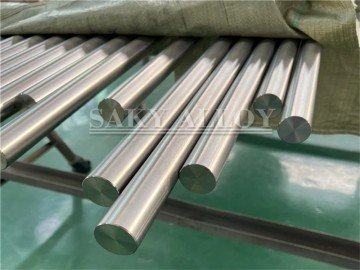
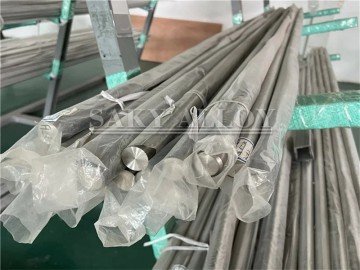
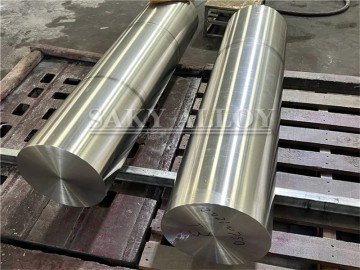
How to Drill Through Titanium Bar Properly
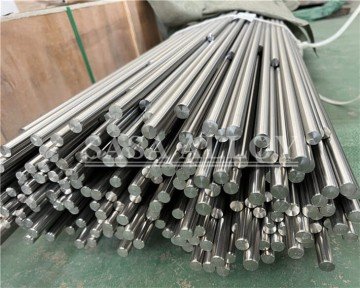
Titanium bars are widely used in aerospace, medical, marine, and industrial applications due to their excellent strength-to-weight ratio, corrosion resistance, and biocompatibility. However, when it comes to drilling titanium, the same properties that make it desirable can also make it challenging to machine.
This article explores how to drill through titanium bar properly, offering essential techniques, tools, and precautions. Whether you’re a machinist, metal fabricator, or engineer, these guidelines will help you avoid tool failure, overheating, and poor hole quality when working with titanium.
Why Is Drilling Titanium Difficult?
Titanium is not harder than hardened steel, but it behaves differently under machining conditions:
-
Low thermal conductivity: Heat builds up at the drill tip instead of dissipating.
-
High strength and elasticity: Titanium resists deformation, causing cutting forces to spike.
-
Work hardening: Improper cutting speeds can cause the surface to harden and resist further cutting.
-
Galling: Titanium tends to stick to the drill bit, reducing tool life.
These factors can lead to burnt edges, broken tools, rough surfaces, or even material cracking if the wrong approach is taken.
Applications That Require Drilling Titanium Bars
Drilling titanium bar is essential in a range of industries, including:
-
Aerospace: For assembling structural frames, engine components, and fasteners.
-
Medical: For bone implants, prosthetics, and surgical equipment.
-
Marine and Offshore: For corrosion-resistant fixtures and fasteners.
-
Chemical Processing: For high-performance piping and valves.
-
Automotive Racing: For lightweight engine and suspension parts.
sakyalloy supplies precision-cut titanium bars for these critical industries, ensuring consistency and machinability.
Tools and Equipment Needed
To drill titanium effectively, you must use the right combination of tools and equipment:
Drill Bits:
-
Cobalt (HSS-Co): Affordable, wear-resistant, good for lower-volume drilling.
-
Carbide: Extremely hard, ideal for high-volume or automated operations.
-
Titanium Nitride (TiN) Coated: Reduces friction and improves heat resistance.
Drill Press or CNC Machine:
-
Use machines with stable spindle speed, high torque, and controlled feed.
Lubricants and Coolants:
-
Cutting oil or synthetic coolant is essential.
-
Flood coolant systems or misting attachments improve heat dissipation.
Proper Drilling Parameters
Drilling titanium requires precision control of speed and feed rates:
| Diameter | RPM (Carbide) | RPM (HSS-Co) | Feed Rate |
|---|---|---|---|
| 3 mm | 3000 | 800 | 0.03 mm/rev |
| 6 mm | 1500 | 500 | 0.05 mm/rev |
| 10 mm | 900 | 300 | 0.08 mm/rev |
| 15 mm | 600 | 200 | 0.12 mm/rev |
Note: Always start with conservative parameters and adjust based on tool performance and chip formation.
Step-by-Step Guide: How to Drill Through Titanium Bar Properly
Step 1: Mark and Secure the Workpiece
-
Use a center punch to mark the drilling spot.
-
Clamp the titanium bar securely to prevent movement or vibration.
Step 2: Use a Pilot Hole
-
Start with a small pilot hole (e.g., 2 mm) to guide the larger drill bit.
-
This reduces heat and improves accuracy.
Step 3: Apply Lubrication Generously
-
Use cutting fluid continuously throughout the operation.
-
Reapply if using hand tools or pause drilling to add lubricant.
Step 4: Drill at a Consistent Feed Rate
-
Avoid peck drilling (frequent stopping and starting), which generates heat.
-
Maintain steady pressure to break chips cleanly and avoid work hardening.
Step 5: Use the Right Speed
-
Slower spindle speeds with higher torque are better for titanium.
-
Adjust as necessary if you notice squealing or smoke—signs of excessive heat.
Step 6: Inspect the Hole and Tool
-
Check the hole for burrs, roughness, or burn marks.
-
Ensure the drill bit is not dull or discolored.
Common Mistakes to Avoid
-
Running at high RPMs – Causes overheating and tool wear.
-
Skipping lubrication – Leads to galling and poor surface finish.
-
Using cheap drill bits – They dull quickly and may snap mid-process.
-
Drilling too fast – Causes surface hardening that ruins subsequent passes.
-
Insufficient clamping – Creates vibration that damages the hole and tool.
sakyalloy recommends testing your parameters on sample material if this is your first time drilling titanium.
Post-Drilling Finishing
After drilling, it may be necessary to:
-
Deburr the edges with a countersink or deburring tool.
-
Inspect with bore gauges or calipers for accuracy.
-
Clean off residue with alcohol to remove oil and chips.
-
Passivate the surface if required for medical or marine applications.
Drilling Titanium in CNC Machining
For high-volume or tight-tolerance applications, CNC drilling offers:
-
Consistent feed and speed control
-
High-precision hole placement
-
Integrated coolant delivery
Make sure the program includes chip break cycles, entry/exit dwell, and low spindle RPMs for titanium.
Safety Precautions
-
Wear eye protection, gloves, and a mask if misting coolant.
-
Use slow and controlled motions to avoid sudden torque kickback.
-
Maintain a clean workspace—titanium chips are sharp and can be hot.
Why Choose High-Quality Titanium Bars from sakyalloy?
At sakyalloy, we supply titanium bars that are:
-
Precision forged or rolled
-
Heat treated and stress relieved
-
Straightened for machining
-
Tested to ASTM B348, AMS 4928, or custom specs
-
Packaged for corrosion and damage resistance
Our bars are machinist-friendly, reducing tool wear and improving your efficiency during operations such as drilling, turning, or milling.
Whether you need Grade 5 (Ti-6Al-4V), Grade 2, or specialty grades for aerospace or medical use, sakyalloy can supply the titanium bars you trust for high-performance results.
Conclusion
Drilling titanium bar properly requires more than just the right tool. It demands the right speed, lubrication, technique, and patience. Titanium is a demanding material—but with the correct approach, you can produce clean, accurate holes without damaging your equipment or the workpiece.
From choosing the proper drill bit to setting optimal machine parameters and ensuring consistent lubrication, following the best practices outlined above will save time and money while producing excellent results.
For high-quality titanium bars and machining support, rely on sakyalloy—your professional partner in advanced titanium solutions.