
How to Handle and Store Titanium Bars Safely
Titanium bars are high-performance materials valued for their strength, corrosion resistance, and light weight. They are widely used in aerospace, marine, chemical, medical, and industrial engineering applications. However, while titanium is durable in service, improper handling and storage can cause surface damage, contamination, or dimensional changes that compromise its performance.
This guide explains how to handle and store titanium bars safely, from the moment they are received to their final use, ensuring they maintain their quality and meet industry standards.
Why Proper Handling and Storage Matters
Titanium’s exceptional properties—such as high strength-to-weight ratio and corrosion resistance—can only be fully utilized if the bars remain in optimal condition. Mishandling or poor storage can lead to:
-
Surface scratches that weaken protective oxide layers.
-
Contamination from foreign metals or oils.
-
Warping due to improper stacking or environmental exposure.
-
Increased machining costs due to surface rework.
By following correct procedures, industries can preserve the material’s integrity, reduce waste, and ensure safe operations.
1. Receiving Titanium Bars
When titanium bars arrive at your facility:
-
Inspect Packaging – Check for signs of impact, punctures, or water damage.
-
Verify Specifications – Confirm dimensions, grade, and quantity match purchase orders and mill test certificates.
-
Check for Contamination – Ensure bars are free from rust stains, oil, or other residue that may indicate improper prior handling.
-
Record Batch Details – Assign lot numbers for traceability, especially for critical applications such as aerospace or medical use.
2. Handling Titanium Bars
Use Clean, Non-Metallic Tools
Avoid direct contact between titanium and tools made from carbon steel or other reactive metals. Contamination can cause galvanic corrosion or discoloration. Use:
-
Nylon, plastic, or coated lifting slings.
-
Stainless steel tongs or padded clamps for smaller bars.
Lift, Don’t Drag
Dragging bars across surfaces can cause scratches. Always lift with cranes, forklifts, or appropriate lifting gear. Ensure contact points are padded to prevent dents.
Wear Protective Gloves
Operators should wear clean, lint-free gloves to avoid fingerprints, which can introduce contaminants during machining or welding.
3. Storage Conditions
Dry and Clean Environment
Store titanium bars in a covered, low-humidity area to prevent dust accumulation and avoid contact with moisture. While titanium resists corrosion, prolonged exposure to certain environments can cause surface discoloration.
Temperature Stability
Avoid placing bars near heat sources or areas with large temperature fluctuations to prevent condensation and thermal distortion.
Separate from Other Metals
Store titanium separately from carbon steel, copper, or other reactive metals to prevent cross-contamination. Use wooden or plastic separators if storage racks hold mixed metals.
4. Stacking and Placement
-
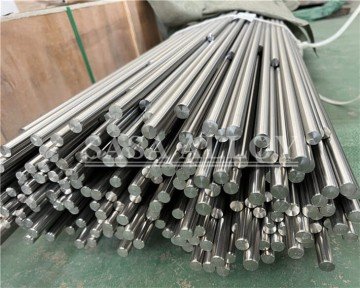
Horizontal Storage – Use padded horizontal racks for long bars.
-
Vertical Storage – For space-saving, vertical racks with protective sleeves can be used, but ensure stable support to avoid tipping.
-
Weight Distribution – Stack heavier bars at the bottom to prevent damage to lighter or thinner ones.
-
No Contact with Rough Surfaces – Always place bars on rubber mats, wood, or other soft, non-abrasive supports.
5. Protection from Contamination
Titanium is reactive at high temperatures, especially during welding or machining. Even before processing, contamination from certain elements can cause issues. Prevent exposure to:
-
Grease or oil residues.
-
Chlorides or halides (including salt water).
-
Copper, lead, or zinc dust.
When machining or welding titanium, ensure work areas are clean and dedicated to titanium processing when possible.
6. Long-Term Storage Recommendations
For bars stored for months or years:
-
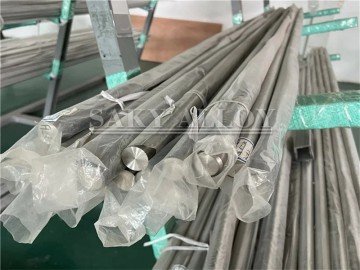
Wrap them in clean, acid-free paper or polyethylene sheets.
-
Label each bundle with alloy grade, size, and date of storage.
-
Perform periodic inspections to ensure no mechanical damage or contamination has occurred.
7. Transportation Considerations
When moving titanium bars between sites or facilities:
-
Use secure crates or pallets with adequate padding.
-
Prevent direct contact between bars using dividers or spacers.
-
Ensure the load is tightly secured to avoid shifting during transport.
-
Keep bars covered to protect from road dust, moisture, and debris.
8. Special Considerations for High-Precision Applications
For industries such as aerospace, defense, and medical manufacturing, titanium bars must meet strict standards:
-
Maintain traceability from supplier to final machining.
-
Avoid even minor surface imperfections.
-
Follow industry-specific handling codes such as ASTM B348 or ISO 5832.
In these cases, sourcing from a reliable supplier like sakyalloy ensures that titanium bars meet chemical composition, mechanical property, and surface finish requirements.
9. Common Mistakes to Avoid
-
Mixing Storage Areas – Keeping titanium with other metals can lead to contamination.
-
Skipping Inspections – Damage may go unnoticed until machining, leading to costly rejections.
-
Using Dirty Handling Equipment – Contaminants can embed into titanium’s surface, requiring re-polishing.
-
Leaving Bars Uncovered – Dust and environmental exposure can affect surface appearance and cleanliness.
Conclusion
Proper handling and storage of titanium bars are essential to maintain their high performance in demanding applications. From receiving inspections to safe stacking, every step plays a role in preserving quality. By using clean equipment, controlling environmental conditions, and preventing contamination, industries can ensure titanium bars deliver maximum performance in service.
With extensive experience supplying premium titanium materials, sakyalloy provides not only high-quality bars but also guidance on handling, storage, and preparation. When working with a material as valuable as titanium, these best practices help protect your investment and guarantee reliable results in critical applications.