
How Tough Is Titanium
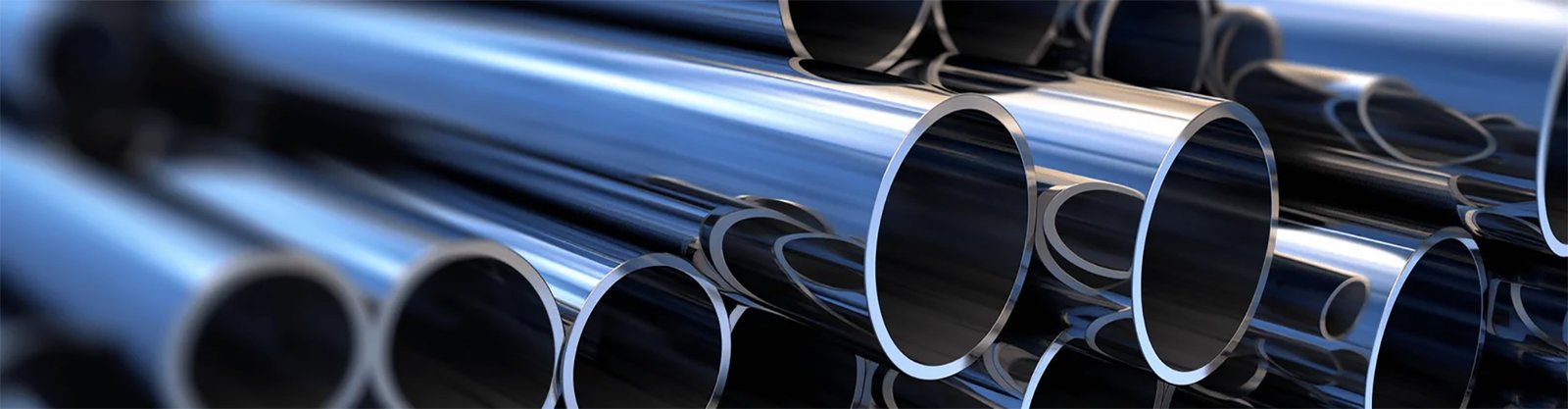
Titanium is one of the most sought-after metals in modern engineering and manufacturing, known for its exceptional strength-to-weight ratio, corrosion resistance, and durability. Whether in aerospace, medical implants, automotive racing, or marine structures, titanium’s toughness is a key factor in its selection. But what exactly does “toughness” mean in the context of titanium, and how does it compare to other metals?
This article explores the mechanical toughness of titanium, its performance under stress, and the reasons why it has become an essential material in high-demand industries.
Understanding Toughness in Metals
Before diving into titanium’s properties, it’s important to clarify what toughness means. Toughness is the ability of a material to absorb energy and plastically deform without fracturing. It is not the same as hardness or strength:
-
Strength measures the ability to resist deformation.
-
Hardness measures resistance to surface indentation or scratching.
-
Toughness measures how much energy a material can absorb before breaking.
Titanium stands out because it offers a unique balance of strength, ductility, and corrosion resistance, making it tough in both mechanical and environmental terms.
Mechanical Properties That Contribute to Titanium’s Toughness
1. High Strength-to-Weight Ratio
Titanium is about 40% lighter than steel but can match or even exceed certain steel grades in tensile strength. This property makes it an ideal choice for applications where reducing weight without compromising durability is crucial.
2. Excellent Ductility
Titanium’s ductility allows it to bend and deform under stress without cracking, a major contributor to its toughness. This is essential in components that face impact, vibration, or sudden loads.
3. Outstanding Fatigue Resistance
Fatigue resistance refers to the material’s ability to withstand repeated cycles of stress without failure. Titanium’s fatigue strength is significantly higher than many stainless steels, which is why it is often used in aerospace fasteners, landing gear, and medical implants.
4. Low Modulus of Elasticity
Titanium has a modulus of elasticity of about 110 GPa, which is lower than that of steel (around 200 GPa). This gives it more flexibility, enabling it to absorb energy rather than shatter under impact.
Grades of Titanium and Their Toughness
Different grades of titanium have varying toughness levels, depending on alloying elements and heat treatment.
| Grade | Type | Yield Strength (MPa) | Typical Applications |
|---|---|---|---|
| Grade 1 | Commercially pure | ~240 | Chemical processing, marine |
| Grade 2 | Commercially pure | ~345 | Heat exchangers, architecture |
| Grade 5 (Ti-6Al-4V) | Alloyed | ~880 | Aerospace, automotive, implants |
| Grade 23 (Ti-6Al-4V ELI) | Alloyed, extra low interstitial | ~860 | Medical implants, aerospace |
| Beta Alloys | Alloyed | 900–1200+ | Military, high-performance sports |
Observation: Alloyed titanium grades like Grade 5 and beta alloys have significantly higher strength while maintaining excellent toughness, making them preferred in extreme engineering environments.
Toughness in Different Conditions
1. At Low Temperatures
Titanium maintains its toughness even at cryogenic temperatures, making it suitable for aerospace fuel systems and marine structures in polar regions.
2. At High Temperatures
Titanium retains its mechanical properties up to around 600°C, much higher than aluminum and many steels, making it valuable in turbine blades and exhaust systems.
3. In Corrosive Environments
Titanium forms a stable oxide layer that protects it from corrosion in seawater, acids, and chlorine environments. This environmental toughness is why titanium is widely used in chemical plants and desalination systems.
Comparing Titanium’s Toughness to Other Metals
| Property | Titanium | Stainless Steel | Aluminum |
|---|---|---|---|
| Strength-to-weight ratio | Very high | Medium | Medium-high |
| Fatigue resistance | Excellent | Good | Fair |
| Corrosion resistance | Excellent | Good | Fair |
| High-temp performance | Very good | Good | Poor |
| Cryogenic toughness | Excellent | Good | Good |
From this comparison, it’s clear why industries choose titanium when both mechanical and environmental toughness are required.
Real-World Examples of Titanium Toughness
Aerospace Components
Landing gear parts made from titanium withstand constant stress and heavy loads without failure, even in extreme climates.
Medical Implants
Hip and knee replacements made from titanium can last decades inside the human body without corroding or breaking.
Marine Equipment
Propeller shafts and offshore oil rig components survive in saltwater environments without significant degradation.
Testing Titanium’s Toughness
Engineers use several methods to assess titanium’s toughness:
-
Charpy Impact Test – Measures energy absorbed during fracture.
-
Tensile Test – Determines yield strength and elongation.
-
Fatigue Testing – Simulates long-term cyclic loading.
The results consistently show titanium’s superiority in balancing strength, ductility, and resistance to environmental damage.
Challenges in Working with Titanium
While titanium is tough, it comes with challenges:
-
Machining Difficulty – Titanium’s hardness and low thermal conductivity require specialized cutting tools and speeds.
-
Higher Cost – Titanium is more expensive than steel or aluminum due to extraction and processing complexities.
-
Welding Precautions – Titanium must be welded in inert atmospheres to prevent contamination.
How to Maximize Titanium’s Toughness in Applications
-
Choose the Right Grade – Match the grade to the intended environment and stress levels.
-
Use Proper Heat Treatment – Enhances mechanical properties and fatigue resistance.
-
Avoid Surface Damage – Scratches can serve as crack initiation points.
-
Control Design Stress – Ensure components are designed to minimize stress concentrations.
Why Industries Trust Titanium for Critical Applications
Industries turn to titanium because it offers:
-
Long service life with minimal maintenance.
-
Resistance to both physical and chemical damage.
-
Performance stability across a wide range of temperatures.
Conclusion
Titanium’s toughness is the result of its exceptional combination of strength, ductility, fatigue resistance, and corrosion resistance. It performs reliably under extreme temperatures, high pressures, and in highly corrosive environments. While its cost and machining challenges are notable, the long-term benefits often outweigh these factors in critical applications.
For companies seeking high-quality titanium products, working with a trusted supplier like sakyalloy ensures consistent quality, material traceability, and expert technical support. Whether for aerospace, medical, marine, or industrial use, sakyalloy titanium delivers the toughness needed for long-lasting performance.