
Hybrid Pipes: Titanium‑Composite Innovations
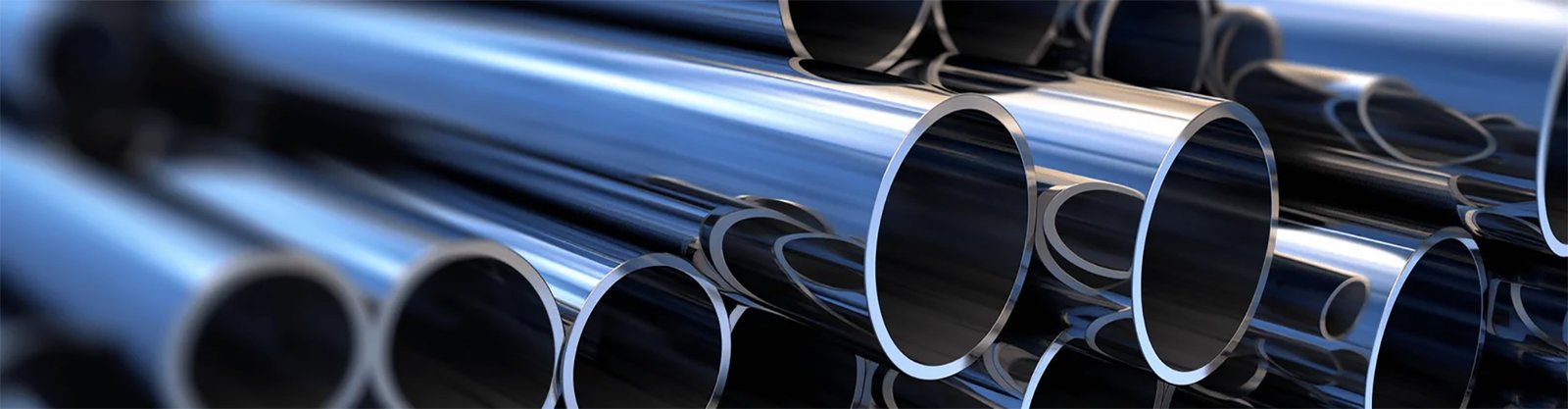
As engineering demands evolve across aerospace, energy, marine, and industrial sectors, materials must perform under increasingly harsh and complex conditions. While titanium has long been prized for its strength, corrosion resistance, and low weight, modern requirements have inspired a new generation of piping technology—hybrid pipes that combine titanium with advanced composites.
This fusion of materials brings together the best of both worlds: the structural integrity of titanium and the performance-tuned functionality of composites. In this article, we explore the innovation behind titanium-composite hybrid pipes, their manufacturing methods, key advantages, real-world applications, and how sakyalloy is helping industries transition into this new era of high-performance piping.
What Are Hybrid Titanium-Composite Pipes?
Hybrid titanium-composite pipes are engineered tubing systems that integrate titanium metal with fiber-reinforced composite materials such as carbon fiber, glass fiber, or aramid. These materials are typically combined using bonding, filament winding, or co-casting processes, creating a structure that leverages the strengths of both constituents.
The most common configurations include:
-
Titanium inner liner + composite outer shell for corrosion resistance and structural rigidity
-
Composite core + titanium reinforcement at connection points and stress-bearing regions
-
Fully integrated layered systems optimized for thermal insulation, vibration damping, or specific fluid dynamics
Such hybrid constructions are tailored to meet specialized mechanical, thermal, and chemical requirements where pure titanium or pure composites alone might fall short.
Why Combine Titanium with Composites?
Although titanium is a high-performance metal, it has limitations—especially in cost, thermal conductivity, and weight when compared to certain composites. On the other hand, composites can lack the pressure resistance, ductility, and heat resilience found in metals.
By combining the two, engineers can achieve:
-
Lighter structures with equal or greater strength than all-metal pipes
-
Enhanced corrosion resistance in highly aggressive environments
-
Custom-tailored stiffness and vibration control
-
Improved energy efficiency in thermal systems
-
Cost-effective scaling by reducing the volume of expensive titanium used
These performance gains are vital in next-generation vehicles, facilities, and infrastructure projects aiming for both sustainability and advanced functionality.
Applications of Titanium-Composite Hybrid Pipes
The versatility of hybrid piping systems makes them ideal for several cutting-edge industries:
1. Aerospace and Aviation
Titanium-composite pipes are used for:
-
Hydraulic and pneumatic lines
-
Fuel and coolant circulation
-
Structural conduit routing with weight optimization
They offer vibration resistance and fatigue endurance under high G-force conditions.
2. Offshore and Subsea Engineering
Hybrid pipes resist both seawater corrosion and mechanical shock from waves or submersion pressures. They are ideal for:
-
Deep-sea risers
-
Flowlines and jumpers
-
Seawater desalination plants
3. Automotive and Motorsport
In high-performance vehicles, hybrid pipes help reduce unsprung mass, boost exhaust performance, and manage heat more efficiently in compact engine compartments.
4. Hydrogen and Cryogenic Systems
Titanium-composite piping is especially useful in hydrogen fuel delivery and storage systems, where weight reduction and hydrogen embrittlement resistance are critical.
5. Industrial Chemical Processing
Hybrid pipes are gaining popularity in acid or alkali transfer systems where thermal, chemical, and structural performance must coexist within confined plant spaces.
Key Manufacturing Methods
Producing titanium-composite pipes requires precise bonding and alignment between dissimilar materials. Common fabrication methods include:
1. Filament Winding
A titanium core is placed in a rotating mandrel while composite fibers are wound around it with resin impregnation. This creates a high-strength outer layer with directional control over stiffness.
2. Pultrusion + Liner Assembly
Composite pipes are pultruded and then lined with seamless titanium tubing or foil, which is bonded using high-temperature adhesives or diffusion welding.
3. Co-extrusion and Hot Press Forming
This involves simultaneous shaping of both materials under heat and pressure to achieve integrated performance.
4. Adhesive Bonding and Mechanical Interlocking
Special surface treatments, grooves, or ridges help mechanically lock titanium and composite layers, enhancing interface durability.
sakyalloy works closely with fabricators and engineers to ensure the titanium components—whether tubes, rings, or couplings—meet dimensional and surface requirements for optimal hybrid integration.
Advantages of Titanium-Composite Hybrid Pipes
Hybrid titanium-composite pipes bring multiple benefits to industries facing demanding performance requirements:
-
Weight Reduction: Up to 40% lighter than solid titanium pipes without compromising performance
-
High Strength: Load-bearing capability is preserved or enhanced, especially with carbon fiber reinforcement
-
Corrosion Resistance: Titanium liner protects against acidic, saline, or chemical media
-
Design Flexibility: Complex shapes and transitions are easier to form using composite overlays
-
Thermal Insulation: Composite layers reduce heat transfer, improving energy efficiency in fluid systems
-
Noise and Vibration Damping: Ideal for applications sensitive to mechanical resonance or turbulence
Limitations and Challenges
Despite the advantages, hybrid titanium-composite pipes present certain engineering and commercial challenges:
-
Bonding Reliability: Interfaces must be carefully engineered to prevent delamination under stress or temperature cycling
-
Cost and Complexity: Multi-material systems require advanced equipment and quality assurance methods
-
Repair and Inspection: Damage to either layer may be harder to detect or repair than in single-material pipes
-
Material Compatibility: Thermal expansion mismatch must be addressed in fluctuating environments
These challenges are being overcome with new adhesives, surface treatments, and inspection techniques, enabling wider adoption of hybrid solutions.
The Role of sakyalloy in Hybrid Pipe Development
As a global supplier of aerospace and industrial titanium, sakyalloy plays a pivotal role in supporting hybrid pipe innovation:
-
Provides precision-grade titanium liners, tubes, and couplings tailored for composite integration
-
Supports surface treatment and finishing to ensure optimal bonding with carbon or glass fiber composites
-
Offers consultation on titanium alloy selection, such as Gr2 for corrosion resistance or Gr5 for structural reinforcement
-
Collaborates with R&D teams to create custom hybrid prototypes for aerospace, hydrogen, and energy clients
With experience across sectors and a commitment to high-spec production, sakyalloy ensures that hybrid piping projects launch with the right titanium foundation.
Future Trends in Titanium-Composite Piping
Looking ahead, hybrid pipes are expected to play a growing role in global innovation:
-
Space systems: Weight-optimized piping for satellites and space stations
-
Hydrogen economy: Modular pipelines for refueling and storage networks
-
Smart piping systems: Embedded sensors within composites and titanium layers
-
Biomedical devices: Flexible but durable conduit systems for surgical robotics
Research into self-healing composites, nano-coating layers, and 3D printed hybrid assemblies will further expand what’s possible with titanium-composite innovation.
Conclusion
The rise of hybrid titanium-composite pipes signals a new age in advanced piping systems. By merging the structural power of titanium with the customizability and performance tuning of composites, engineers can now solve challenges that once seemed contradictory—strength and lightness, corrosion resistance and thermal control, stiffness and flexibility.
As industries push toward more efficient, sustainable, and intelligent systems, hybrid piping will form the backbone of critical infrastructure. With trusted partners like sakyalloy, companies worldwide can access the material innovation, quality control, and technical guidance needed to lead in this exciting transformation.