
Innovative Titanium Grade Bars: Paving the Way for Breakthroughs in the Industrial Sector
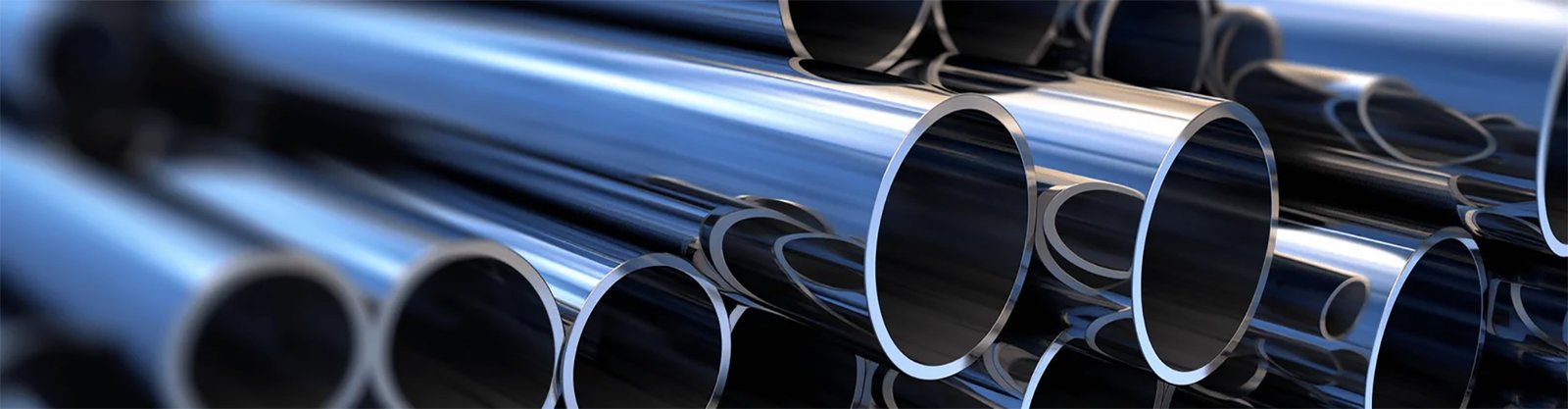
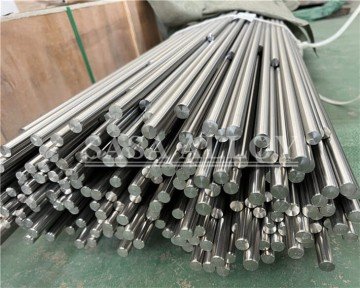
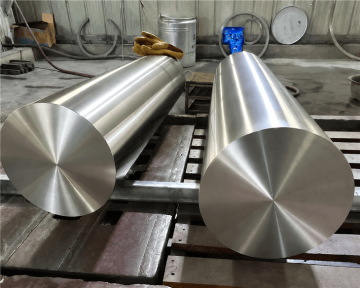
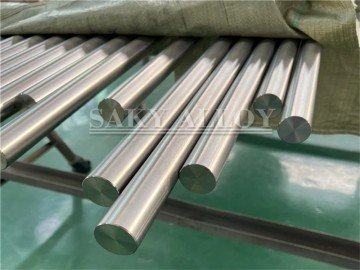
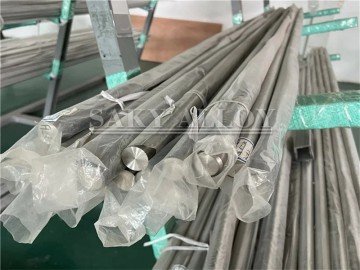
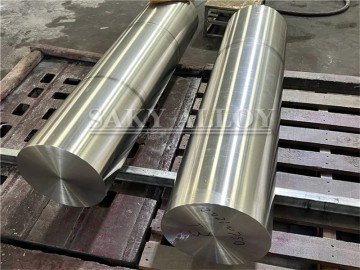
Titanium Grade Bars have always played a crucial role in the industrial sector, and now, innovative Titanium Grade Bars are paving the way for new breakthroughs and advancements in the industry. These innovative materials not only offer exceptional strength and corrosion resistance but also possess advantages such as lightweight properties and high-temperature stability, opening up new possibilities in the industrial sector.
These innovative Titanium Grade Bars are making significant contributions across various fields, including manufacturing, aerospace, automotive, medical, and energy industries. In the manufacturing sector, the outstanding performance of Titanium Grade Bars helps companies achieve higher production efficiency and quality, driving progress in industrial production. In the aerospace field, the lightweight characteristics of these materials are utilized to make aircraft more fuel-efficient, enhancing fuel efficiency and flight performance.
In the automotive manufacturing sector, the widespread use of Titanium Grade Bars makes vehicles lighter,improving fuel efficiency, and enhancing vehicle safety performance. In the medical industry, the biocompatibility and corrosion resistance of Titanium Grade Bars are leveraged to manufacture durable and implantable medical devices and artificial joints. In the energy sector, these innovative materials are used to enhance the efficiency of power generation equipment and reduce energy loss.
The advent of innovative Titanium Grade Bars has brought about significant transformation and progress in the industrial sector. Their introduction has led to innovation in product design and manufacturing, improved production efficiency, reduced costs, and brought forth more sustainable solutions. With further research and development of these materials, we can expect to see more breakthroughs and innovations in the industrial sector.
These innovative Titanium Grade Bars will continue to pave the way in the industrial sector, opening up broader prospects for future technological advancements and industrial development.