
Is Titanium a Metal, Nonmetal, or Metalloid
Titanium is one of the most remarkable elements in modern industry. Known for its light weight, incredible strength, and corrosion resistance, it has become essential in aerospace, marine, medical, and industrial applications. However, for those less familiar with chemistry, a common question arises — Is titanium classified as a metal, nonmetal, or metalloid?
The short answer is that titanium is a metal. In this article, we will explain why, explore its classification in the periodic table, compare it to other elements, and discuss why its metallic nature is so important for its performance in real-world applications.
Understanding Element Classification
Elements are generally divided into three broad categories:
-
Metals – Typically shiny, good conductors of heat and electricity, malleable, and ductile.
-
Nonmetals – Poor conductors, brittle when solid, and lacking metallic luster.
-
Metalloids – Possess some properties of both metals and nonmetals.
The classification depends on physical and chemical characteristics. Titanium fits firmly into the metal category based on its properties and atomic structure.
Titanium in the Periodic Table
-
Symbol: Ti
-
Atomic Number: 22
-
Group: 4 (Transition Metals)
-
Period: 4
-
Category: Transition Metal
Being in the transition metals group means titanium shares properties such as high melting points, strength, and the ability to form alloys with other metals. Its placement in the periodic table confirms its metallic classification.
Why Titanium is Considered a Metal
1. Metallic Luster
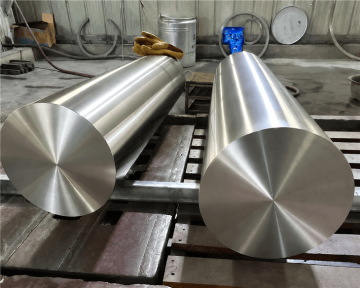
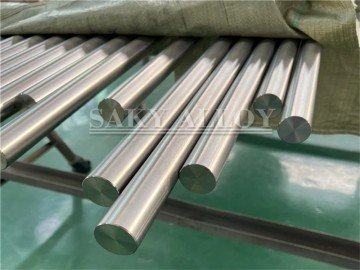
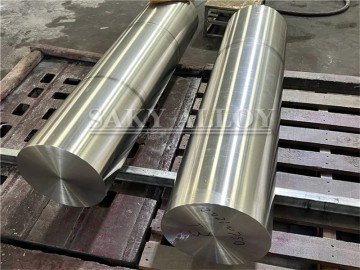
Titanium has a silver-gray appearance with a reflective metallic shine.
2. Electrical Conductivity
While not as conductive as copper, titanium still allows electricity to flow, a hallmark of metals.
3. Thermal Conductivity
Titanium can transfer heat, making it suitable for heat exchangers and high-temperature applications.
4. Malleability and Ductility
It can be formed into sheets, plates, or wires, especially in its commercially pure grades.
5. High Density and Strength
Titanium is denser than aluminum but lighter than steel, with impressive tensile strength.
Comparison with Nonmetals and Metalloids
| Property | Titanium (Metal) | Nonmetals | Metalloids |
|---|---|---|---|
| Luster | Shiny metallic | Dull | Variable |
| Conductivity | Good | Poor | Moderate |
| Malleability | High | Brittle | Brittle or moderate |
| Strength | Very high | Low to moderate | Moderate |
| Reactivity | Forms oxides | Forms covalent | Mixed |
This comparison shows why titanium belongs in the metal category rather than the other two.
Titanium’s Metallic Bonding
Titanium atoms are held together by metallic bonds, where electrons move freely throughout the lattice. This electron mobility gives titanium its characteristic metallic properties:
-
Strength
-
Conductivity
-
Resistance to deformation
-
Ability to alloy with other metals
The Role of Titanium’s Metallic Nature in Applications
Aerospace Industry
Titanium’s metallic properties make it ideal for aircraft structures, turbine blades, and spacecraft parts. The combination of strength and low weight helps improve fuel efficiency and performance.
Marine Engineering
As a metal, titanium naturally resists corrosion from seawater, making it invaluable for propeller shafts, hull fittings, and offshore structures.
Medical Implants
Titanium’s metallic surface is biocompatible, meaning it integrates with bone without causing adverse reactions. This allows it to be used for joint replacements, dental implants, and surgical tools.
Industrial Manufacturing
Titanium equipment in chemical plants can handle strong acids and extreme conditions thanks to its metallic stability.
Physical Properties that Confirm Titanium’s Metallic Nature
-
Density: 4.51 g/cm³
-
Melting Point: 1668°C
-
Boiling Point: 3287°C
-
Tensile Strength: 240 MPa (Grade 1) to over 1200 MPa (alloys)
-
Elastic Modulus: 110 GPa
These numbers reflect typical metallic characteristics — high melting points, good strength, and a solid crystalline structure.
Environmental Toughness
As a metal, titanium forms a thin oxide layer that protects it from corrosion. This oxide layer is self-healing, which means even if the surface is scratched, it quickly reforms in oxygen-containing environments. This property is why titanium structures can last for decades in harsh conditions without degrading.
Is Titanium Ever Nonmetallic in Behavior?
While titanium is undeniably a metal, in some of its compounds — such as titanium dioxide (TiO₂) — it exhibits nonmetal-like chemical behavior. For example, titanium dioxide is an insulator and is used as a pigment in paints, sunscreens, and food products. However, in its elemental form, titanium remains a true metal.
How Titanium Compares to Other Metals
| Metal | Density (g/cm³) | Tensile Strength (MPa) | Corrosion Resistance | Common Use |
|---|---|---|---|---|
| Titanium | 4.51 | 240–1200+ | Excellent | Aerospace, medical |
| Aluminum | 2.70 | 90–570 | Good | Transportation |
| Stainless Steel | 7.90 | 520–1100 | Excellent | Construction |
| Copper | 8.96 | 210–420 | Good | Electrical |
Titanium strikes a unique balance between low density, high strength, and corrosion resistance — traits that come directly from its metallic nature.
Working with Titanium as a Metal
Titanium can be:
-
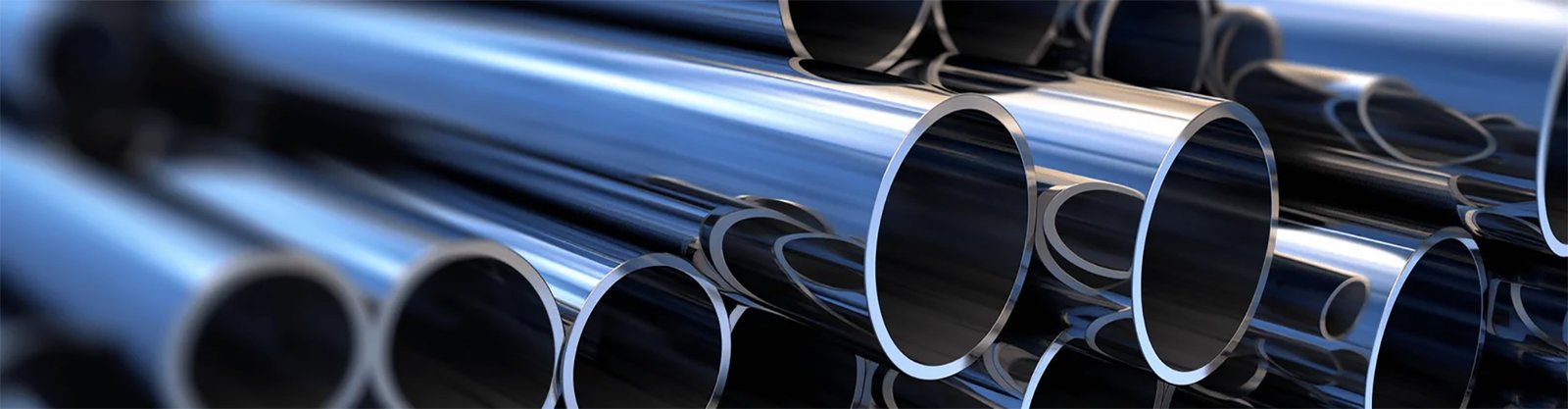
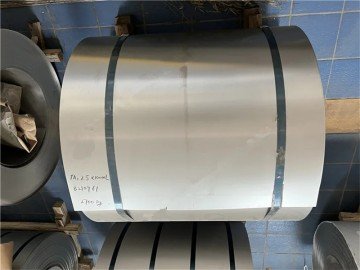
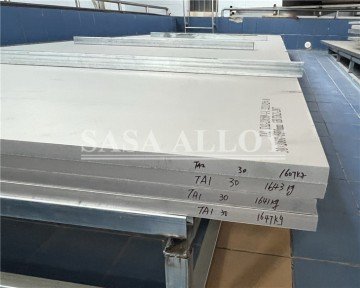
Rolled into sheets
-
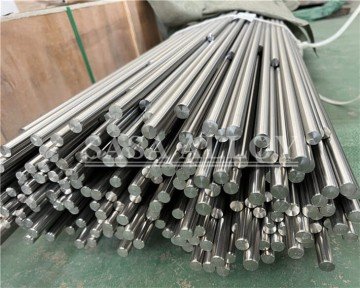
Forged into high-strength parts
-
Machined into precise components
-
Welded with proper shielding gas
These capabilities are why manufacturers around the world choose high-quality titanium products from suppliers such as sakyalloy, who provide reliable material that meets industry standards.
Common Misconceptions
-
Titanium is as soft as aluminum – Incorrect. Titanium is much stronger and harder.
-
Titanium does not corrode at all – While extremely corrosion-resistant, it can degrade in certain hot chloride environments.
-
Titanium is rare and expensive to use – It is abundant in the Earth’s crust, but processing costs make it more expensive than common metals.
Conclusion
Titanium is without question a metal, belonging to the transition metal group in the periodic table. Its metallic properties — strength, conductivity, luster, malleability, and corrosion resistance — are the reason it is so valued in aerospace, marine, medical, and industrial applications.
When choosing titanium for demanding projects, working with an experienced supplier like sakyalloy ensures you get material with the highest quality, consistency, and performance. From raw stock to finished components, the metallic nature of titanium makes it one of the most versatile and trusted materials in modern engineering.