
Is Titanium a Metal
Titanium is a material that has captured the attention of engineers, designers, and scientists across industries due to its impressive combination of strength, lightness, and resistance to corrosion. Often associated with aerospace, medical implants, and high-performance products, titanium is indeed a metal. But what exactly makes it a metal, and why is it so highly valued?
This article explores the classification of titanium, its properties, uses, and why it stands out among other metals.
1. Classification of Titanium
Titanium is a metallic element with the chemical symbol Ti and atomic number 22. It is placed in Group 4 of the periodic table, alongside zirconium, hafnium, and rutherfordium. These elements are known as transition metals, characterized by their ability to form various oxidation states and strong metallic bonds.
Key Facts About Titanium:
-
Atomic number: 22
-
Atomic weight: 47.867
-
Density: About 4.51 g/cm³
-
Melting point: 1668°C
-
Crystal structure: Hexagonal close-packed (HCP)
2. Why Titanium Is Classified as a Metal
A substance is classified as a metal based on its physical and chemical characteristics. Titanium fits all these criteria:
-
Metallic Luster: Titanium has a bright, silvery appearance when polished.
-
Electrical Conductivity: Although less conductive than copper or aluminum, titanium conducts electricity like other metals.
-
Malleability and Ductility: Titanium can be formed into sheets, wires, and bars without breaking.
-
High Strength: It exhibits excellent tensile strength and structural stability.
-
Thermal Conductivity: Titanium conducts heat, albeit at a lower rate than some other metals.
These properties confirm that titanium is a true metal with unique advantages.
3. Properties of Titanium as a Metal
Titanium possesses a remarkable balance of properties that make it stand out in the metal family.
3.1 Strength-to-Weight Ratio
Titanium is as strong as steel but about 45% lighter, making it highly desirable in applications where weight savings are critical.
3.2 Corrosion Resistance
It resists corrosion from seawater, chlorine, and many acids, thanks to a protective oxide layer that forms naturally on its surface.
3.3 Biocompatibility
Titanium is non-toxic and compatible with the human body, making it the material of choice for surgical implants and prosthetics.
3.4 Heat Resistance
It maintains structural integrity at temperatures up to around 600°C, suitable for high-temperature environments like jet engines.
4. Titanium vs. Other Metals
When compared to other metals such as aluminum, stainless steel, and copper, titanium offers unique performance advantages:
-
Titanium vs. Aluminum: Titanium is stronger but heavier; aluminum is more conductive.
-
Titanium vs. Stainless Steel: Titanium is lighter and more corrosion-resistant.
-
Titanium vs. Copper: Titanium is much lighter and stronger, but copper has higher electrical conductivity.
These comparisons highlight titanium’s suitability for specialized applications where performance matters more than cost.
5. Natural Occurrence of Titanium
Titanium is the ninth most abundant element in Earth’s crust. It is found in minerals such as:
-
Rutile (TiO₂)
-
Ilmenite (FeTiO₃)
-
Anatase (TiO₂)
It is never found in its pure metallic form in nature due to its reactivity with oxygen and other elements. Extraction involves complex processes, such as the Kroll process, to produce commercially pure titanium.
6. Forms of Titanium Products
Titanium is processed into various industrial forms to suit different applications:
-
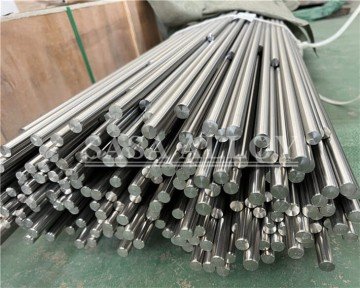
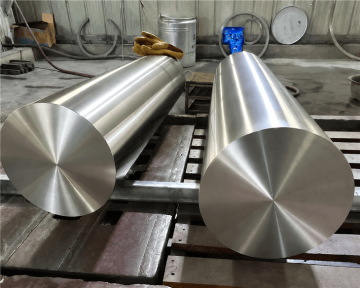
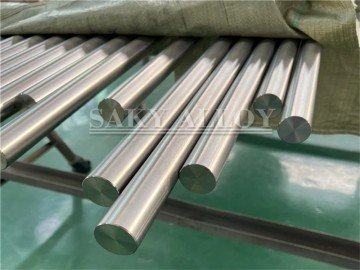
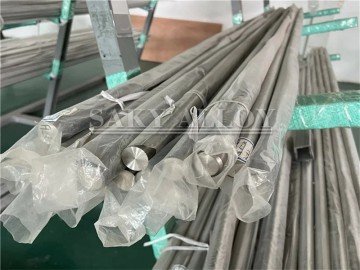
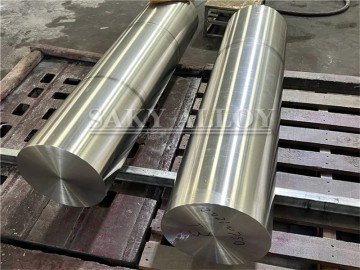
Titanium Bars and Rods – For aerospace, marine, and industrial equipment.
-
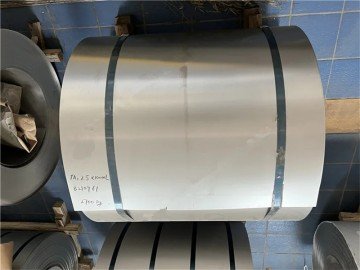
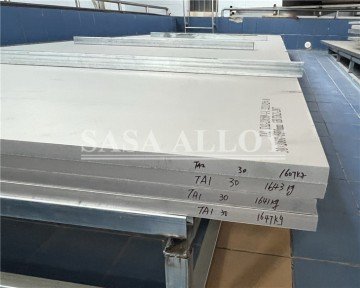
Titanium Sheets and Plates – For chemical processing and architectural projects.
-
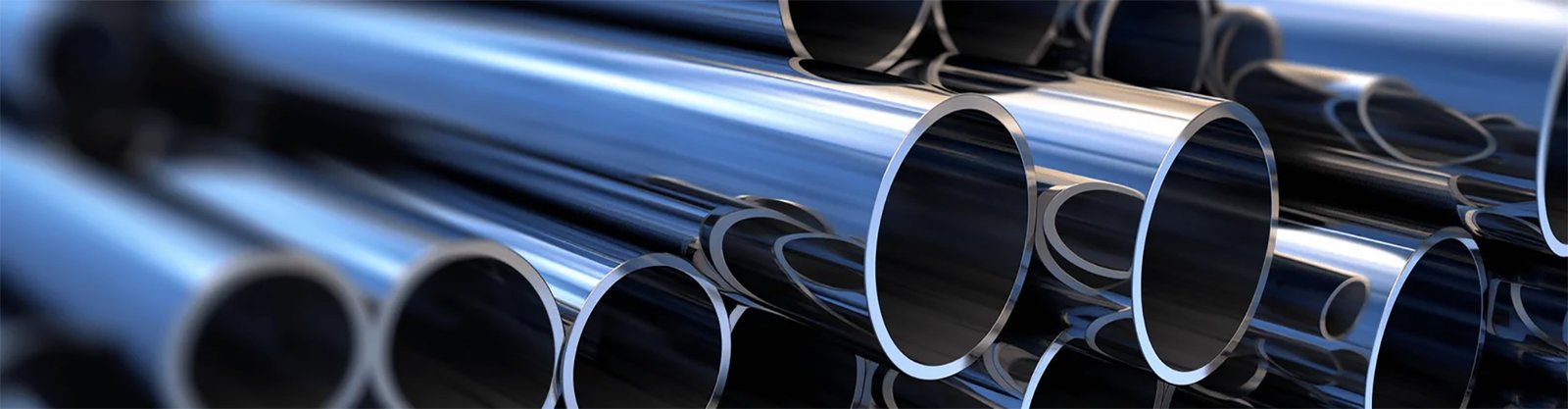
Titanium Pipes and Tubes – For heat exchangers and offshore structures.
-
Titanium Wire – For medical devices, springs, and fasteners.
Companies like sakyalloy supply high-grade titanium products to meet demanding industry standards.
7. Common Alloys of Titanium
Pure titanium is often alloyed to improve its properties:
-
Grade 5 (Ti-6Al-4V): The most widely used titanium alloy, combining strength, corrosion resistance, and weldability.
-
Grade 2: Commercially pure titanium with excellent corrosion resistance.
-
Beta Alloys: High strength and good formability for aerospace components.
8. Industrial Applications of Titanium
8.1 Aerospace
Titanium is used in aircraft frames, landing gear, and jet engine components due to its high strength-to-weight ratio and heat resistance.
8.2 Marine
It withstands seawater corrosion, making it ideal for shipbuilding, desalination plants, and offshore platforms.
8.3 Medical
Titanium’s biocompatibility makes it perfect for dental implants, joint replacements, and surgical tools.
8.4 Automotive
High-performance cars use titanium exhaust systems, springs, and connecting rods to reduce weight and improve efficiency.
8.5 Chemical Processing
Titanium equipment resists corrosion from acids, alkalis, and chlorine.
9. Advantages of Titanium as a Metal
-
Lightweight yet strong
-
Exceptional corrosion resistance
-
High-temperature performance
-
Non-toxic and biocompatible
-
Long lifespan in harsh environments
10. Limitations of Titanium
While titanium is a remarkable metal, it has some limitations:
-
High Cost: More expensive to produce than steel or aluminum.
-
Difficult Fabrication: Requires specialized tools and techniques.
-
Lower Conductivity: Not ideal for applications needing high electrical or thermal conductivity.
11. Titanium’s Role in Modern Technology
From spacecraft to surgical implants, titanium is a critical enabler of advanced technologies. Its role in reducing weight, extending service life, and improving performance ensures its place as one of the most important metals of the 21st century.
12. Future Outlook
As production methods improve and recycling of titanium becomes more efficient, costs are expected to decrease. This will expand its use in mainstream applications such as consumer electronics, renewable energy systems, and more automotive components.
13. Conclusion
Titanium is without doubt a metal — specifically, a transition metal with exceptional strength, low density, and outstanding corrosion resistance. Its unique combination of properties makes it indispensable in industries ranging from aerospace and marine to medical and chemical processing.
With continued innovation, the demand for titanium products will only grow, and companies like sakyalloy will continue supplying high-quality titanium materials to meet these needs.