
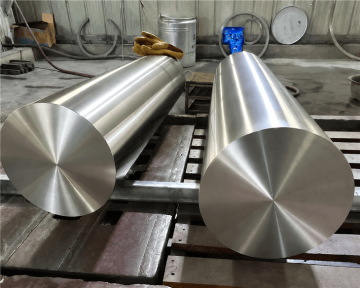
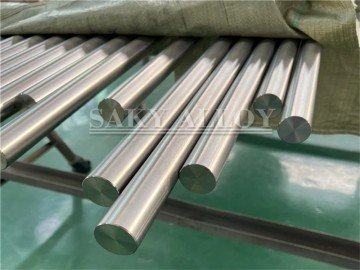
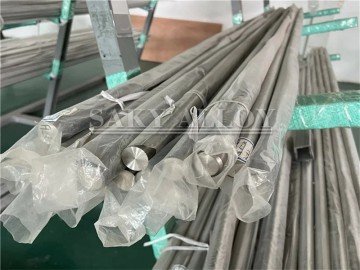
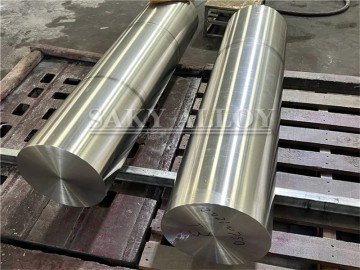
Is Titanium Bar Rust Proof?
When it comes to durability and longevity in harsh environments, titanium is a name that stands out. One of the most frequent questions asked by engineers, designers, and material procurement teams is: “Is a titanium bar rust proof?” The answer lies in titanium’s unique chemistry and physical behavior.
In this comprehensive guide by sakyalloy, we’ll explore how titanium resists rust, the science behind its corrosion resistance, how it compares to other metals, and what applications benefit from its exceptional anti-rust capabilities.
What Is Rust?
Before diving into titanium, it’s important to understand what rust actually is.
Rust is the common term for iron oxide, formed when iron or its alloys (like steel) react with oxygen and moisture. The red or brown flaky coating you see on neglected metal surfaces is the result of this chemical process. Over time, rust:
-
Weakens the material’s structural integrity
-
Causes pitting and surface damage
-
Leads to failure in mechanical systems
In contrast, titanium does not rust in the traditional sense—because it doesn’t contain iron.
Does Titanium Rust?
No, titanium does not rust. It does oxidize, but this process works to its advantage.
Titanium forms a stable, self-healing oxide layer on its surface known as titanium dioxide (TiO₂). This layer is:
-
Extremely thin (a few nanometers thick)
-
Chemically inert
-
Highly resistant to corrosion
-
Self-regenerating if scratched or damaged
This natural oxide barrier is what makes titanium “rust proof” even in environments that would destroy other metals.
At sakyalloy, we provide titanium bars with this protective surface intact or further enhanced through surface treatments.
Corrosion Resistance of Titanium Bar
Titanium’s resistance to corrosion is one of its most remarkable features. It withstands attack from:
-
Sea water and salt spray
-
Chlorides and chlorinated solvents
-
Oxidizing acids (nitric acid, sulfuric acid)
-
Organic acids and alkalis
-
High-purity water and steam
That’s why titanium bars are commonly used in:
-
Marine structures
-
Chemical reactors and storage tanks
-
Offshore oil and gas platforms
-
Medical implants
-
Aerospace fuel systems
sakyalloy supplies titanium bars that are carefully processed to retain or enhance their corrosion-resistant properties for demanding applications.
Titanium Grades and Their Corrosion Behavior
Different grades of titanium offer varying levels of corrosion resistance. Here’s a quick overview:
Grade 1 (Commercially Pure)
-
Best corrosion resistance among CP grades
-
Suitable for marine and chemical use
-
Excellent in oxidizing and mildly reducing environments
Grade 2
-
Similar to Grade 1 but with slightly higher strength
-
Commonly used in industrial piping and pressure vessels
Grade 5 (Ti-6Al-4V)
-
High strength, good corrosion resistance
-
Ideal for aerospace, medical implants, and offshore structures
-
Slightly less corrosion-resistant than CP grades in some environments
At sakyalloy, we guide clients in selecting the right grade based on their environment and corrosion exposure levels.
Titanium vs Other Metals in Rust Prevention
| Metal | Rusts? | Corrosion Resistance | Notes |
|---|---|---|---|
| Carbon Steel | Yes | Poor | Must be coated or painted |
| Stainless Steel | Slight | Moderate to High | Can pit or corrode in chlorides |
| Aluminum | No | Moderate | Can corrode in salt water |
| Titanium | No | Excellent | Self-healing oxide layer |
Unlike steel and even stainless steel, titanium bars do not suffer from pitting, crevice corrosion, or stress corrosion cracking in the majority of industrial and marine environments.
This makes sakyalloy titanium bars the superior choice for long-term structural stability and maintenance-free performance.
Is Titanium Bar Maintenance-Free?
Yes, in most cases. Thanks to the natural oxide layer:
-
Titanium bars do not require painting or coating
-
There’s no need for sacrificial anodes like in steel pipelines
-
They can be left exposed in open air, seawater, or industrial chemicals
However, extreme reducing environments, such as strong acids in the absence of oxygen, can challenge even titanium’s corrosion resistance. In such cases, special surface treatments or alloys may be necessary.
sakyalloy offers advisory support to help you select the right alloy and finish for your unique application.
Surface Treatments to Enhance Corrosion Resistance
While titanium is naturally corrosion-resistant, certain treatments can further enhance protection:
-
Anodizing – increases oxide thickness, available in color variants
-
Polishing – reduces surface area for corrosion initiation
-
Passivation – removes contaminants that could interfere with the oxide layer
-
Nitriding – improves hardness and wear resistance without reducing corrosion resistance
At sakyalloy, we offer custom surface preparation and finishing options for all titanium bar products.
Applications Where Rust Proof Titanium Bars Are Essential
Titanium bars are favored in industries where corrosion would cause catastrophic failures or excessive maintenance costs:
Marine
-
Ship shafts, seawater piping, propeller shafts
Medical
-
Surgical implants, orthopedic rods, dental components
Chemical Processing
-
Heat exchangers, pumps, evaporators
Aerospace
-
Fuel systems, fasteners, airframe structures
Architectural
-
Exterior structures in coastal environments
The rust-proof performance of titanium bars from sakyalloy ensures longevity even in the most punishing environments.
Storage and Handling Tips
To retain the rust-proof nature of titanium bars:
-
Avoid contamination with iron or steel tools
-
Store in dry, clean conditions
-
Use plastic or wood separators to avoid galvanic corrosion
-
Clean with non-metallic brushes when necessary
All sakyalloy titanium bars are packaged securely to preserve their pristine condition during transport and storage.
Final Thoughts
So, is titanium bar rust proof? Absolutely. Titanium’s natural oxide layer makes it highly resistant to corrosion, outperforming stainless steel and aluminum in many environments. Whether you need strength, durability, or long-term exposure performance, titanium bars offer unmatched protection against rust.
sakyalloy is a trusted global supplier of titanium bars with certified corrosion resistance, custom finishes, and industry-grade quality. Our products are used in applications where failure is not an option.