

Is Titanium Conductive?
Titanium is well-known for its high strength, corrosion resistance, and lightweight structure, making it a preferred material across aerospace, medical, chemical, and marine industries. But many engineers and buyers often ask: Is titanium conductive? How does it compare to other metals like copper, aluminum, or stainless steel?
In this article, sakyalloy explores the electrical and thermal conductivity of titanium, helping you better understand when and where to use this advanced metal in electrical and heat-sensitive applications.
What Does “Conductive” Mean?
Before diving into titanium specifically, it’s important to define what “conductivity” means in metallurgy:
-
Electrical conductivity refers to how easily electrons can move through a material. Metals with high conductivity, like copper or silver, are commonly used in electrical wiring.
-
Thermal conductivity is the ability of a material to transfer heat.
Both properties are critical in industries where energy transfer, heat management, or signal integrity are essential.
Is Titanium Electrically Conductive?
Yes, titanium is electrically conductive, but not highly so. It has much lower electrical conductivity than traditional conductive metals.
| Metal | Electrical Conductivity (% IACS) |
|---|---|
| Silver | 105 |
| Copper | 100 |
| Aluminum | 61 |
| Stainless Steel | ~2-3 |
| Titanium | ~1.7 |
IACS = International Annealed Copper Standard
As you can see, titanium’s conductivity is only about 1.7% that of copper. This means titanium is a poor conductor of electricity when compared to most metals. However, it still conducts electricity better than some ceramics and composite materials.
Is Titanium Thermally Conductive?
Titanium has moderate thermal conductivity, higher than many non-metals but lower than traditional heat-conducting metals like aluminum or copper.
| Metal | Thermal Conductivity (W/m·K) |
|---|---|
| Copper | 398 |
| Aluminum | 235 |
| Stainless Steel | ~16 |
| Titanium | ~22 |
This means that titanium does conduct heat, but not efficiently enough to be used as a heat sink or radiator in high-performance electronics. It’s more often selected for its resistance to heat and corrosion at elevated temperatures rather than for heat transfer.
Why Use Titanium if It’s Not a Great Conductor?
Despite its poor conductivity, titanium is chosen for its unique combination of properties:
-
Corrosion Resistance: Excellent in seawater, acids, and chlorides
-
Biocompatibility: Perfect for medical implants and surgical tools
-
Strength-to-Weight Ratio: Higher than steel and aluminum
-
Heat Resistance: Maintains structural integrity at high temperatures
-
Non-Magnetic: Safe for electronic or MRI environments
In applications where electrical isolation, strength, or corrosion resistance matters more than conductivity, titanium is the ideal choice.
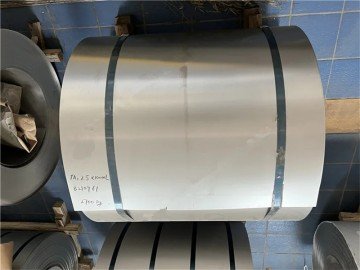
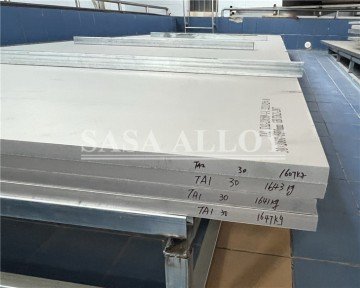
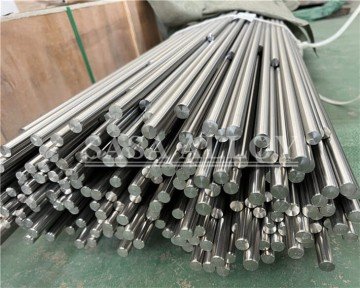
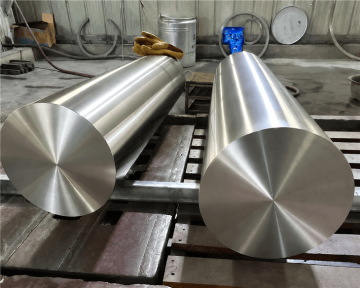
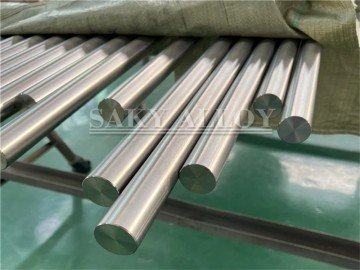
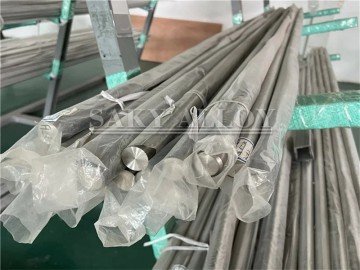
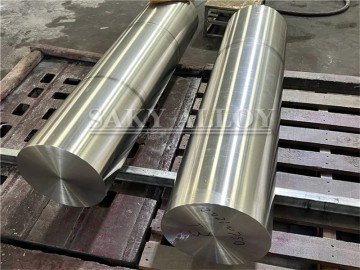
At sakyalloy, we supply high-quality titanium rods, sheets, and custom components that perform exceptionally in challenging, non-conductive or insulated applications, including aerospace frames, medical enclosures, and marine systems.
When Not to Use Titanium
While titanium offers many advantages, it’s not suitable for:
-
Electrical wiring or connectors
-
High-efficiency heat sinks or heat exchangers
-
Components that require fast electrical signal transmission
For such applications, copper, aluminum, or silver alloys are typically better suited.
Applications That Benefit from Titanium’s Controlled Conductivity
In some cases, titanium’s low conductivity is an asset, not a drawback:
-
Medical implants: Electrical isolation prevents interaction with body signals
-
Aerospace: Structural parts near sensitive instruments avoid EMI interference
-
Chemical processing: Non-sparking nature in hazardous environments
-
Electronics housing: Non-magnetic, corrosion-resistant shells for sensitive parts
These niche roles highlight why titanium’s controlled conductivity makes it valuable in specific industrial sectors.
Conclusion
So, is titanium conductive? Yes, titanium can conduct electricity and heat, but it does so at much lower levels than traditional conductive metals. Its value lies not in high conductivity, but in its strength, corrosion resistance, biocompatibility, and reliability in extreme conditions.
If you’re designing components for high-performance, non-corrosive, and non-magnetic environments — titanium is a smart choice.
For precision-grade titanium products ready for your most challenging projects, trust sakyalloy — your global supplier of titanium bars, plates, and custom-machined components.