
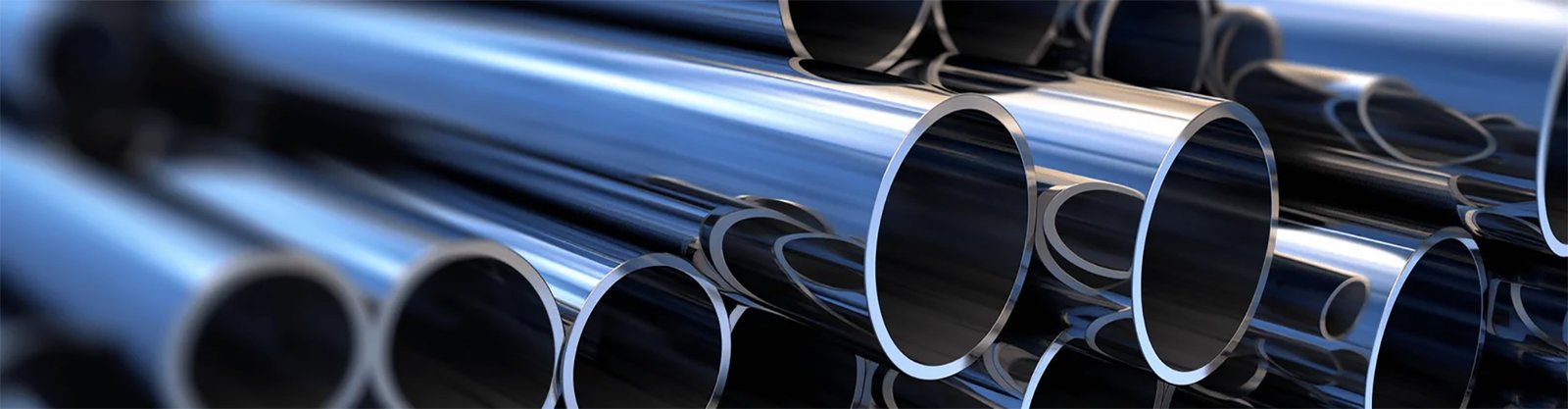
Is Titanium Pipe Safe for Drinking Water Systems
As global concerns over water safety, infrastructure durability, and long-term health impacts continue to grow, the choice of piping material in drinking water systems becomes increasingly important. Stainless steel, copper, PVC, and PEX are commonly discussed, but what about titanium pipe Is titanium safe for use in potable water systems
This article explores whether titanium pipe is suitable and safe for drinking water applications. We will examine its chemical stability, resistance to corrosion and leaching, compatibility with water treatment processes, and how suppliers like sakyalloy support clean and compliant system designs.
Understanding the Safety Requirements for Drinking Water Pipes
Piping used in drinking water systems must meet strict criteria set by international and national regulatory bodies. The material must
Not leach harmful substances into water
Resist corrosion and microbial growth
Be compatible with disinfection chemicals like chlorine
Have long service life under fluctuating temperature and pressure conditions
These standards are governed by regulations such as NSF 61 in North America, DVGW in Germany, WRAS in the UK, and other hygiene-related certifications worldwide.
Why Titanium Pipe Is an Excellent Candidate for Potable Water Systems
Titanium is a premium engineering metal valued for its strength, lightweight nature, and unmatched corrosion resistance. These same properties make titanium pipe an ideal candidate for clean water applications
Titanium is highly inert and non-toxic. It does not react with water or common disinfectants
It forms a stable oxide layer that protects against corrosion and leaching
It resists biofouling, making it difficult for bacteria and algae to grow on its surface
It remains stable even when exposed to chlorinated or mineral-rich water
Titanium pipe is already used in sensitive industries such as medical water systems, desalination plants, and ultra-pure pharmaceutical production lines.
No Leaching of Harmful Substances
Unlike some metal pipes that can corrode and leach ions into the water supply, titanium is incredibly stable.
It does not leach heavy metals such as lead, copper, or nickel
It remains unchanged even in aggressive or acidic water conditions
It does not require internal coatings or liners to remain safe
This makes titanium pipe suitable for high-purity water systems, including those supplying hospitals, laboratories, and high-end residential projects.
Resistance to Chlorine and Other Disinfectants
Drinking water is commonly treated with chlorine, ozone, or ultraviolet light to eliminate pathogens. Some materials like stainless steel or copper may degrade over time when exposed to high chlorine levels
Titanium is resistant to both chlorinated water and ozone
It maintains mechanical and chemical stability even after prolonged exposure to disinfectants
It does not form rust, scale, or oxide residues that could affect taste or quality
This allows titanium to be used in both pre-treatment and post-treatment sections of water distribution systems.
No Impact on Taste or Odor
Taste neutrality is critical for drinking water systems. Some pipes can impart metallic or plastic-like tastes, especially when new
Titanium is completely taste-neutral and odorless
It maintains water clarity and purity even after long storage times in the system
Its non-porous surface does not trap contaminants or organic matter
This is especially valuable in systems where water must be stored or distributed over long distances without affecting quality.
High Strength and Long-Term Durability
Titanium pipe offers high mechanical strength and excellent resistance to pressure surges, thermal expansion, and freezing conditions
It does not crack under stress or fatigue
It can operate under a wide range of temperatures and pressures without weakening
Its typical service life in corrosion-sensitive environments can exceed 40 years
This durability reduces maintenance costs and eliminates the need for frequent replacements, making it a strong long-term investment.
Microbial Resistance and Hygiene
Microbial contamination is a serious concern in drinking water infrastructure. Biofilms can form in materials with rough surfaces or poor corrosion resistance
Titanium’s smooth surface and natural passivation layer prevent microbial adhesion
It is inherently resistant to biofilm formation
It can be sanitized repeatedly using thermal or chemical cleaning methods without degradation
This makes titanium suitable for hygiene-critical environments such as hospitals, high-rise buildings, and food processing plants.
Applications of Titanium Pipe in Water Systems
Titanium pipe is already used in several drinking water-related environments
Seawater desalination plants
Water distribution systems in coastal cities
Residential and commercial buildings with high-end water systems
Medical water purification infrastructure
Municipal water stations in highly corrosive regions
In many of these cases, titanium pipe serves not only as a safe material but as the most reliable one under harsh or sensitive operating conditions.
Is It Cost Effective
One of the main considerations when evaluating titanium pipe for water systems is cost
Titanium pipe has a higher upfront price than PVC or even stainless steel
However, its lifetime value is significantly better due to low maintenance and long service life
It reduces water loss due to pipe failure and eliminates corrosion-related repair costs
For systems where water purity is critical, titanium is often the most economical long-term choice
When factoring in replacement cycles, cleaning costs, and water quality risk, titanium can be financially justified for residential, commercial, and industrial use.
Regulatory Status of Titanium in Potable Water Systems
Titanium is approved in many countries for use in drinking water systems under their respective regulatory codes
It is listed as acceptable in the European Hygienic Engineering and Design Group guidelines
Titanium fittings and pipes can be certified under NSF 61 when produced by qualified manufacturers
In Japan and Korea, titanium is used for water transport in residential towers and coastal cities
Suppliers like sakyalloy provide material certification and traceability to ensure compliance with global safety standards.
How sakyalloy Supports Safe Titanium Water System Projects
As a trusted global supplier of titanium materials, sakyalloy offers
Certified titanium pipe and fittings for water distribution and purification
Expertise in Grade 2 and Grade 7 titanium for safe fluid handling
Custom sizing, cutting, and welding support
Guidance on system design, corrosion allowance, and regulatory requirements
sakyalloy serves clients in the construction, municipal, medical, and water technology sectors with titanium solutions that ensure clean and sustainable water delivery.
Conclusion
So, is titanium pipe safe for drinking water systems The answer is a confident yes
Titanium’s chemical stability, corrosion resistance, hygiene performance, and durability make it one of the safest and most advanced materials for delivering clean water. While its initial cost may be higher, the long-term safety, reliability, and maintenance savings make titanium pipe a worthy investment for high-purity and long-life water systems
For projects that demand nothing less than the best in water safety and infrastructure resilience, titanium pipe from sakyalloy is the ideal solution