
ISO 5832-2 and Aerospace Standards Compliance for Titanium Grade 11
In the aerospace, marine, and chemical processing industries, material selection is critical for ensuring safety, reliability, and long-term performance. Titanium Grade 11, a titanium-palladium alloy, has emerged as a preferred material for applications requiring exceptional corrosion resistance, high strength, and durability. Compliance with ISO 5832-2 and aerospace standards ensures that Titanium Grade 11 bars meet rigorous requirements for both medical and aerospace applications. This article explores the importance of these standards, the properties of Titanium Grade 11, and the benefits of sourcing from trusted suppliers like Sakyalloy.
Overview of Titanium Grade 11
Titanium Grade 11, also referred to as Ti-0.15Pd alloy, is a commercially pure titanium alloy enhanced with 0.15% palladium. This alloy offers:
-
Superior corrosion resistance in oxidizing and reducing environments
-
High strength-to-weight ratio suitable for structural components
-
Excellent formability and weldability for complex fabrication
-
Durability in marine, chemical, and aerospace applications
Its chemical composition typically includes:
-
Titanium (Ti): Balance
-
Palladium (Pd): 0.15%
-
Iron (Fe): ≤0.20%
-
Oxygen (O): ≤0.12%
-
Carbon (C): ≤0.08%
-
Nitrogen (N): ≤0.03%
-
Hydrogen (H): ≤0.015%
This precise formulation ensures enhanced corrosion resistance and mechanical performance, making it ideal for high-performance applications.
Key Applications of Titanium Grade 11
Titanium Grade 11 is widely used in:
-
Aerospace Components: Structural airframe elements, fasteners, and landing gear
-
Marine Applications: Seawater piping, desalination plants, and offshore platforms
-
Chemical Processing: Reactors, heat exchangers, and pipelines exposed to aggressive chemicals
-
Medical and Pharmaceutical Devices: Surgical instruments and implants requiring biocompatibility
-
Industrial Machinery: Components exposed to high stress, temperature, or corrosive agents
Compliance with ISO 5832-2 and aerospace standards guarantees material performance under critical operating conditions.
ISO 5832-2 Standard
ISO 5832-2 is an international standard that specifies the requirements for wrought titanium alloys used in surgical implants, including chemical composition, mechanical properties, and processing conditions. While primarily medical-focused, this standard provides rigorous controls applicable to aerospace and industrial applications, ensuring:
-
Chemical Composition Accuracy: Precise palladium content and low impurities
-
Mechanical Properties: Tensile strength, yield strength, and elongation requirements
-
Heat Treatment Requirements: Ensuring optimal microstructure and corrosion resistance
-
Traceability and Certification: Linking each product to its production batch
By adhering to ISO 5832-2, manufacturers guarantee material consistency, reliability, and suitability for demanding environments.
Aerospace Standards Compliance
In addition to ISO standards, aerospace specifications ensure Titanium Grade 11 meets high-performance and safety requirements. Key aerospace standards include:
-
AMS 4951: Defines requirements for aerospace-grade titanium alloy bars, including chemical composition, mechanical properties, and heat treatment
-
ASTM B348: Covers unalloyed titanium and titanium alloy bars for structural applications
-
ASME and FAA Requirements: Ensure suitability for aircraft and aerospace components
Compliance with aerospace standards ensures Titanium Grade 11 performs reliably under high stress, fluctuating temperatures, and corrosive environments.
Benefits of Compliance
Standards compliance provides:
-
Material Reliability: Predictable mechanical performance and corrosion resistance
-
Safety Assurance: Reduced risk of failure in critical aerospace and industrial applications
-
Traceability: Documentation linking each bar to its raw material batch
-
Regulatory Compliance: Meeting international codes for aerospace and medical applications
These benefits are particularly critical for industries where failure is not an option.
Mechanical and Physical Properties of Titanium Grade 11
Certified Titanium Grade 11 bars offer:
-
Tensile Strength: 380–480 MPa
-
Yield Strength: 275–345 MPa
-
Elongation: ≥20%
-
Hardness: 150–200 HV
-
Density: Approximately 4.5 g/cm³
These properties make the alloy ideal for structural, chemical, marine, and aerospace applications where both corrosion resistance and mechanical integrity are crucial.
Material Certification and Traceability
Material certification and traceability are essential to verify the quality of Titanium Grade 11 bars. Certified bars include:
-
Material Test Certificates (MTCs): Confirming chemical composition, mechanical properties, and heat treatment
-
Heat Number and Batch Tracking: Linking each bar to its production batch for accountability
-
Inspection Records: Documenting mechanical testing and dimensional checks
-
Compliance Verification: Confirming adherence to ISO 5832-2 and aerospace standards
These processes ensure consistent quality, operational safety, and regulatory compliance.
Traceability Practices
Reliable suppliers implement traceability through:
-
Unique Heat Number Identification: Marking each bar for tracking
-
Batch Record Keeping: Documenting inspection, testing, and shipping
-
Digital Record Management: Ensuring easy retrieval of certification and test results
-
Verification Protocols: Confirming compliance before material release
Proper traceability guarantees that every bar meets international standards and can be confidently used in critical applications.
Advantages of Certified Titanium Grade 11 Bars
Using certified and traceable Titanium Grade 11 bars provides:
-
Enhanced Safety: Conformance with strict international and aerospace standards
-
Operational Reliability: Long-term durability in corrosive and high-stress environments
-
Regulatory Compliance: Complete documentation for audits and inspections
-
Reduced Risk of Failure: Early identification of non-compliant materials
-
Global Usability: Compliance with ISO, ASTM, and AMS standards allows international deployment
These advantages make Titanium Grade 11 bars a preferred material for critical engineering projects.
Applications Requiring Certified Titanium Grade 11
Industries that benefit from certified Titanium Grade 11 include:
-
Aerospace: Aircraft structural components, landing gear, and fasteners
-
Marine: Offshore platforms, seawater piping, and desalination equipment
-
Chemical and Petrochemical: Corrosion-resistant reactors and heat exchangers
-
Medical Devices: Implants, surgical tools, and sterilizable components
-
Industrial Machinery: High-stress components in aggressive environments
Certification and traceability ensure performance, safety, and reliability across all these applications.
Sakyalloy: Trusted Supplier of Titanium Grade 11 Bars
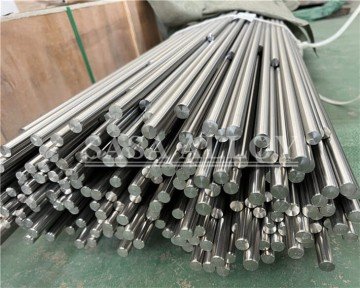
Sakyalloy provides certified Titanium Grade 11 bars with full ISO 5832-2 and aerospace standards compliance. Key benefits include:
-
Certified Material: MTCs confirming chemical composition, mechanical properties, and heat treatment
-
Traceable Production: Heat numbers and batch tracking for full accountability
-
Compliance with International Standards: ASTM, AMS, and ISO certifications
-
Technical Support: Assistance in material selection, sizing, and application-specific requirements
Sourcing from Sakyalloy ensures material quality, reliability, and compliance in the most demanding aerospace, marine, and chemical applications.
Best Practices for Handling and Storage
To maintain performance and longevity:
-
Store bars in dry, temperature-controlled environments to prevent contamination or oxidation
-
Verify certification and traceability documentation prior to fabrication or installation
-
Use appropriate machining and welding practices to preserve properties
-
Maintain digital and physical records for regulatory audits
-
Conduct periodic inspections to ensure ongoing integrity
These practices ensure optimal performance and long service life.
Conclusion
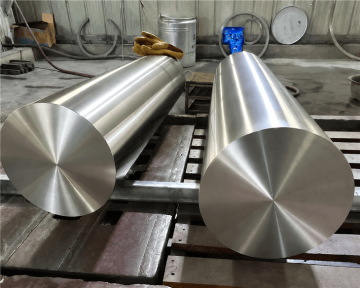
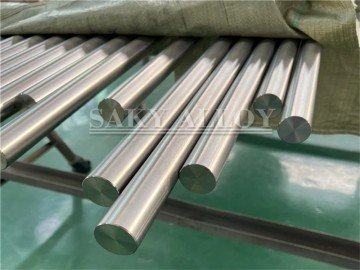
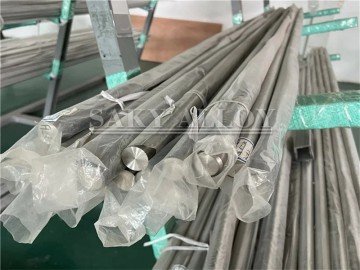
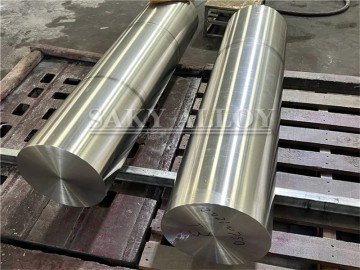
Titanium Grade 11 bars are essential for industries requiring corrosion resistance, high strength, and long-term durability. Compliance with ISO 5832-2 and aerospace standards ensures the material meets rigorous requirements for chemical composition, mechanical properties, and traceability.
Sakyalloy provides fully certified and traceable Titanium Grade 11 bars, offering reliability, safety, and regulatory compliance for critical applications. By choosing Sakyalloy, engineers and project managers can confidently deploy Titanium Grade 11 bars in aerospace, marine, chemical, and industrial applications, ensuring performance, longevity, and operational safety.