
Key Mechanical Properties of Titanium Grade 11 Bars for Industrial Applications
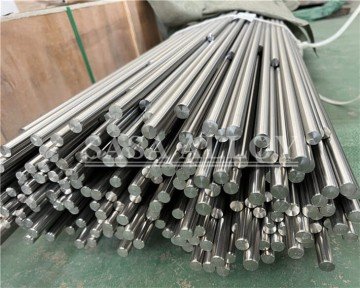
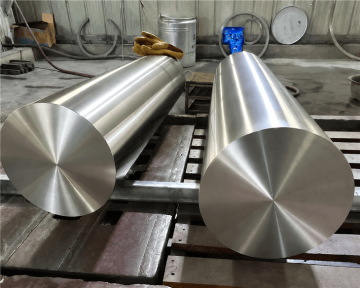
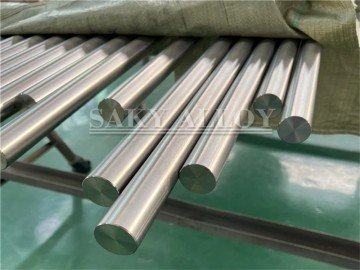
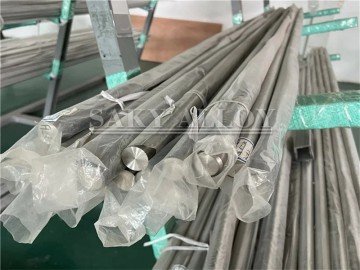
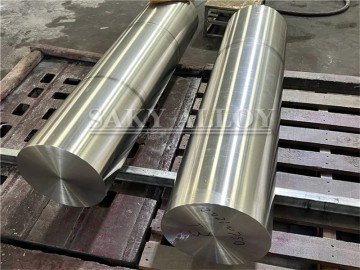
Titanium Grade 11 bars are widely recognized as a high-performance material for industrial applications that demand a combination of corrosion resistance, mechanical strength, and long-term reliability. Their unique properties make them ideal for use in chemical processing, offshore structures, energy systems, and other demanding industrial environments. Leading suppliers like sakyalloy provide premium Titanium Grade 11 bars that meet international standards, ensuring engineers and project managers can rely on consistent quality and superior performance.
Overview of Titanium Grade 11
Titanium Grade 11 is a commercially pure titanium alloy, known for its low carbon content and excellent resistance to corrosion in oxidizing environments. Unlike many other materials, Titanium Grade 11 maintains high mechanical integrity under both static and dynamic loads, making it suitable for industrial applications where strength, durability, and chemical resistance are essential. Key characteristics of Titanium Grade 11 bars include:
-
Exceptional Corrosion Resistance: Performs well in acidic, saline, and oxidizing conditions.
-
High Strength-to-Weight Ratio: Offers significant mechanical strength while remaining lightweight.
-
Excellent Formability and Weldability: Can be fabricated into complex components without compromising performance.
-
Long Service Life: Reduces the frequency of replacements, maintenance, and operational downtime.
These properties make Titanium Grade 11 a preferred choice for industries requiring reliable, long-lasting materials.
Tensile Strength and Yield Strength
Mechanical strength is a critical factor in industrial applications. Titanium Grade 11 bars exhibit high tensile and yield strength, which allows them to withstand extreme loads without permanent deformation. Key aspects include:
-
Tensile Strength: Ensures that bars can sustain high axial loads without failure.
-
Yield Strength: Maintains structural integrity under prolonged stress and prevents plastic deformation.
-
Consistent Performance: Even under high temperatures and corrosive environments, Titanium Grade 11 maintains mechanical properties, making it reliable for industrial machinery, structural supports, and load-bearing applications.
The high strength-to-weight ratio of Titanium Grade 11 also provides engineers with the flexibility to design lighter yet durable structures.
Fatigue Resistance and Impact Strength
Industrial applications often involve dynamic loads, vibrations, and repeated stress cycles. Titanium Grade 11 bars excel in these conditions due to their superior fatigue resistance and impact strength:
-
Fatigue Resistance: Ensures the bars perform reliably under cyclic loading, critical for rotating machinery, pumps, and structural components.
-
Impact Strength: Allows bars to absorb energy from sudden shocks or mechanical impacts without failure.
-
Durable in Harsh Conditions: Fatigue performance remains consistent even in environments with chemical exposure or fluctuating temperatures.
This combination of fatigue and impact resistance makes Titanium Grade 11 bars ideal for critical industrial applications where safety and longevity are paramount.
Hardness and Wear Resistance
For applications involving mechanical friction or contact, hardness and wear resistance are key considerations. Titanium Grade 11 bars provide:
-
Moderate Hardness: Sufficient to resist surface damage while maintaining ductility for fabrication.
-
Wear Resistance: Reduces material loss in components subject to abrasion, sliding, or mechanical interaction.
-
Long-Term Reliability: Minimizes the need for frequent maintenance or replacement, enhancing operational efficiency.
These properties contribute to the overall durability and cost-effectiveness of Titanium Grade 11 bars in industrial systems.
Corrosion Resistance Supporting Mechanical Performance
One of the unique advantages of Titanium Grade 11 is its ability to maintain mechanical properties in corrosive environments. The natural passivation layer that forms on titanium surfaces protects the metal from pitting, crevice corrosion, and stress corrosion cracking. This ensures:
-
Structural Integrity: Mechanical strength is preserved even in highly aggressive environments.
-
Reduced Maintenance: Less frequent replacement and repair reduce downtime and operational costs.
-
Extended Lifespan: Components last longer, contributing to sustainable industrial operations.
By combining mechanical performance with corrosion resistance, Titanium Grade 11 bars provide unmatched reliability in industrial applications.
Key Industrial Applications
Chemical Processing Plants
In chemical industries, Titanium Grade 11 bars are used for heat exchangers, piping systems, tanks, and reactors. The combination of mechanical strength and chemical resistance ensures operational safety and longevity, even under exposure to aggressive acids and chemicals.
Offshore and Marine Structures
Offshore platforms, desalination plants, and marine constructions face harsh saltwater environments. Titanium Grade 11 bars are employed in structural supports, pipelines, and mooring systems, providing both strength and resistance to corrosion.
Energy and Power Generation
In power plants, including thermal, nuclear, and renewable energy systems, Titanium Grade 11 bars are utilized for condenser tubing, heat exchangers, and critical support components. Their ability to withstand high pressure, temperature fluctuations, and mechanical stress makes them essential for reliable operation.
Aerospace and Automotive Industries
The lightweight nature and high strength-to-weight ratio of Titanium Grade 11 bars make them suitable for aerospace components, engine parts, and specialized automotive applications where performance and weight reduction are critical.
Advantages Over Other Materials
Compared to stainless steel and nickel alloys, Titanium Grade 11 bars offer several advantages for industrial applications:
-
High strength-to-weight ratio for efficient structural design
-
Superior fatigue and impact resistance for dynamic loads
-
Exceptional corrosion resistance in chemical and marine environments
-
Long-term durability and reduced maintenance requirements
-
Flexibility in fabrication and welding for customized industrial components
These benefits position Titanium Grade 11 bars as a material of choice for industries seeking reliable, high-performance solutions.
Role of Suppliers in Industrial Quality
Reliable suppliers like sakyalloy play a critical role in ensuring consistent quality and compliance with industry standards. High-purity Titanium Grade 11 bars, precise dimensional control, and verified chemical composition are essential for industrial applications. Trusted suppliers provide certification and testing to meet global standards, allowing engineers to design safe and efficient systems with confidence.
Future Outlook
The demand for Titanium Grade 11 bars is expected to grow as industries continue to expand offshore, chemical, energy, and industrial projects. Future trends include:
-
Increased adoption in renewable energy and offshore wind platforms
-
Enhanced material properties through advanced alloying and processing techniques
-
Sustainable industrial operations leveraging long-lasting, low-maintenance materials
-
Expansion into aerospace and specialized automotive sectors requiring high-performance materials
With these developments, Titanium Grade 11 bars will continue to be a cornerstone material in industrial engineering.
Conclusion
Titanium Grade 11 bars combine exceptional mechanical properties, corrosion resistance, and durability, making them ideal for a wide range of industrial applications. Their high tensile and yield strength, fatigue resistance, impact toughness, and wear resistance ensure reliable performance even in harsh environments. Suppliers like sakyalloy provide premium Titanium Grade 11 bars that meet global standards, supporting industrial projects that require long-term safety, efficiency, and sustainability. As industries advance, Titanium Grade 11 bars remain a superior choice for engineers and manufacturers seeking high-performance materials for critical applications.