
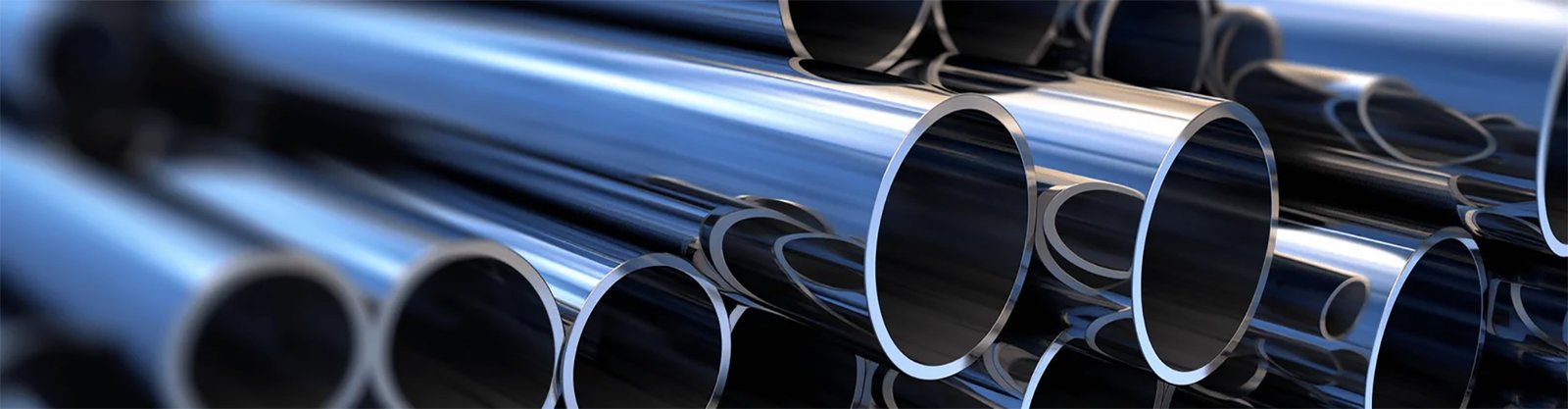
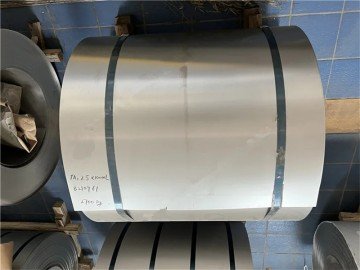
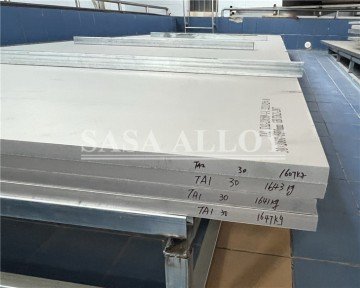
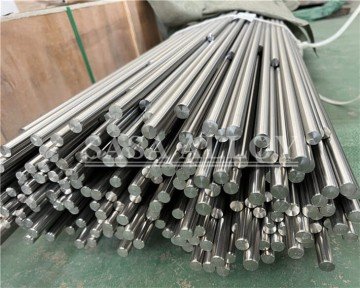
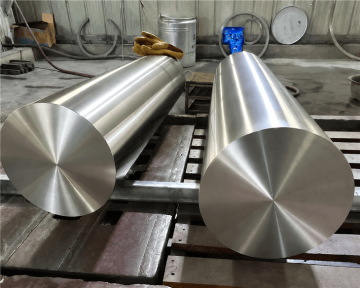
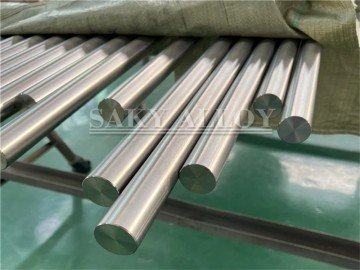
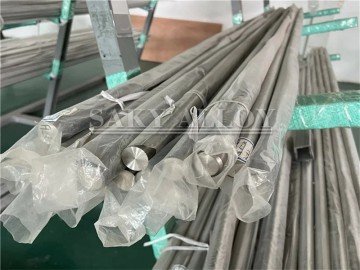
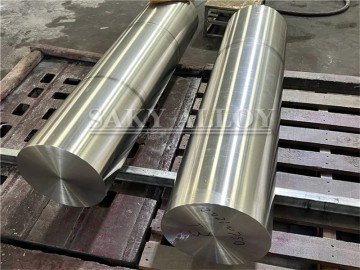
Manufacturing Process of Titanium Grade 11 Bars: Melting, Forging, and Rolling
Titanium Grade 11 is a commercially pure titanium alloy known for its excellent corrosion resistance, lightweight characteristics, and high strength. It is widely used in chemical processing, marine, aerospace, and power generation industries. Ensuring consistent quality and performance of Titanium Grade 11 bars requires a meticulous manufacturing process, including melting, forging, and rolling.
Leading suppliers like sakyalloy implement advanced techniques and strict quality control to produce Titanium Grade 11 bars that meet international standards. This article provides a comprehensive overview of the manufacturing process and its importance in delivering high-performance titanium bars.
Overview of Titanium Grade 11
Titanium Grade 11 is part of the ASTM B265 standard for commercially pure titanium. Key characteristics include:
-
Excellent resistance to chloride-induced stress corrosion cracking
-
High corrosion resistance in oxidizing and reducing environments
-
Lightweight yet strong, making it suitable for critical applications
-
Good formability and weldability
Applications of Titanium Grade 11 bars include chemical reactors, marine components, desalination equipment, and aerospace structures. The manufacturing process ensures that these properties are retained in every bar.
Melting Process
Raw Material Preparation
The production of Titanium Grade 11 begins with high-purity titanium sponge or scrap. Raw materials are carefully selected to ensure:
-
Low levels of impurities such as iron, oxygen, and nitrogen
-
Consistency in chemical composition for predictable mechanical properties
Vacuum Arc Remelting (VAR)
Titanium Grade 11 bars are typically produced using vacuum arc remelting (VAR), a method that provides high-quality ingots with minimal inclusions. The process involves:
-
Placing titanium electrodes in a vacuum chamber
-
Melting the material using an electric arc
-
Allowing the molten titanium to solidify slowly, producing a homogenous ingot
Advantages of VAR include:
-
Improved purity and chemical homogeneity
-
Reduced internal defects and inclusions
-
Enhanced mechanical properties
Electron Beam Melting (EBM)
In some cases, electron beam melting is employed for ultra-high-purity titanium bars. The EBM process uses an electron beam in a vacuum to melt and refine titanium, producing ingots with superior corrosion resistance and structural integrity.
Forging Process
Ingot Heating
After melting, titanium ingots are heated to high temperatures for forging. Proper heating is critical to:
-
Ensure uniform plasticity and ductility
-
Minimize the risk of cracking during deformation
Open Die Forging
Forging shapes the titanium ingot into preliminary bar forms. Open die forging involves:
-
Applying controlled mechanical pressure to shape the material
-
Refining the grain structure for enhanced toughness
-
Removing internal porosity and improving mechanical uniformity
Precision Forging
Precision forging further refines the bar dimensions and enhances structural integrity. Sakyalloy utilizes precision forging to maintain consistent size, surface finish, and mechanical performance in Titanium Grade 11 bars.
Rolling Process
Hot Rolling
Hot rolling is a critical step in producing Titanium Grade 11 bars. The process involves:
-
Heating forged billets to high temperatures to achieve plasticity
-
Passing the billets through a series of rolling mills to achieve the desired diameter and length
-
Controlling rolling speed, temperature, and reduction ratio to optimize mechanical properties
Hot rolling improves:
-
Surface finish
-
Grain refinement for enhanced strength and toughness
-
Dimensional consistency
Cold Rolling (Optional)
Cold rolling may be applied to achieve tighter tolerances and smoother surface finishes. Benefits include:
-
Improved dimensional accuracy
-
Enhanced surface quality for industrial applications
-
Slightly increased strength due to work hardening
Stress Relieving
After rolling, bars undergo stress relieving to reduce internal stresses induced during forging and rolling. This step prevents warping, improves dimensional stability, and prepares the bars for downstream processing.
Quality Control and Inspection
Chemical Analysis
Every Titanium Grade 11 bar is tested to verify chemical composition and purity. Techniques include:
-
Optical emission spectroscopy for elemental analysis
-
Ensuring compliance with ASTM B265 and other relevant standards
Mechanical Testing
Mechanical properties such as tensile strength, elongation, and hardness are evaluated to guarantee performance under demanding conditions.
Non-Destructive Testing (NDT)
NDT methods such as ultrasonic testing, eddy current testing, and dye penetrant testing detect internal and surface defects, ensuring bars are defect-free and suitable for critical applications.
Dimensional Inspection
Bars are measured for diameter, length, and straightness to meet stringent tolerance requirements. Precision instruments ensure uniformity and consistency across all production batches.
Surface Finishing
Titanium Grade 11 bars undergo surface treatment to remove oxidation, scale, and surface irregularities. Processes include:
-
Pickling and passivation to enhance corrosion resistance
-
Grinding and polishing to achieve smooth surfaces and tight tolerances
-
Coating or protective treatments for marine or chemical applications
Proper surface finishing ensures optimal performance in harsh environments and improves weldability for downstream fabrication.
Compliance with Standards
Sakyalloy ensures that all Titanium Grade 11 bars comply with international standards, including:
-
ASTM B265 for commercially pure titanium
-
ASME and ISO standards for mechanical and chemical requirements
-
NACE MR0175/ISO 15156 for corrosion-resistant applications
Compliance guarantees reliability and safety in critical industrial, marine, and chemical environments.
Applications of Titanium Grade 11 Bars
Chemical Processing
-
Reactor vessels and piping in corrosive chemical environments
-
Heat exchangers and tanks for chlorine or acid handling
Marine and Offshore
-
Marine hardware and desalination equipment
-
Components resistant to seawater corrosion
Aerospace
-
Structural components where lightweight and high strength are critical
-
Corrosion-resistant parts in aerospace systems
Power Generation
-
Steam and water piping in power plants
-
High-temperature, corrosion-resistant components
Proper manufacturing ensures that Titanium Grade 11 bars perform reliably in these demanding applications.
Advantages of Controlled Manufacturing
-
Superior Corrosion Resistance – Achieved through high-purity melting and proper heat treatment
-
Enhanced Mechanical Properties – Precision forging and rolling improve strength and toughness
-
Dimensional Accuracy – Tight tolerances achieved through controlled rolling and machining
-
Consistency Across Batches – Strict quality control ensures reliable performance
-
Compliance with Standards – Guaranteed adherence to ASTM, ASME, and ISO requirements
-
Long-Term Durability – Bars withstand harsh chemical, marine, and high-temperature environments
Role of Sakyalloy
Expertise and Quality Assurance
Sakyalloy ensures consistent quality of Titanium Grade 11 bars by:
-
Using advanced melting, forging, and rolling technologies
-
Implementing strict quality control and NDT procedures
-
Maintaining traceability from raw material to finished bar
Customer Confidence
-
Fully certified bars with mill test reports and inspection documentation
-
Compliance with international standards for chemical, marine, and aerospace applications
-
Reliable performance in high-demand industrial environments
Partnering with sakyalloy guarantees Titanium Grade 11 bars that meet stringent quality, safety, and performance requirements.
Conclusion
The manufacturing process of Titanium Grade 11 bars—including melting, forging, and rolling—is critical to achieving high-quality, high-performance products. Advanced techniques, precise control, and rigorous inspection ensure superior corrosion resistance, mechanical strength, and dimensional consistency.
Suppliers like sakyalloy provide Titanium Grade 11 bars that meet international standards, offering reliability and durability in chemical processing, marine, aerospace, and power generation applications. Controlled manufacturing and quality assurance deliver bars that perform consistently in the most demanding environments.