
Nano‑coatings for Titanium Pipe: Cutting‑edge Tech
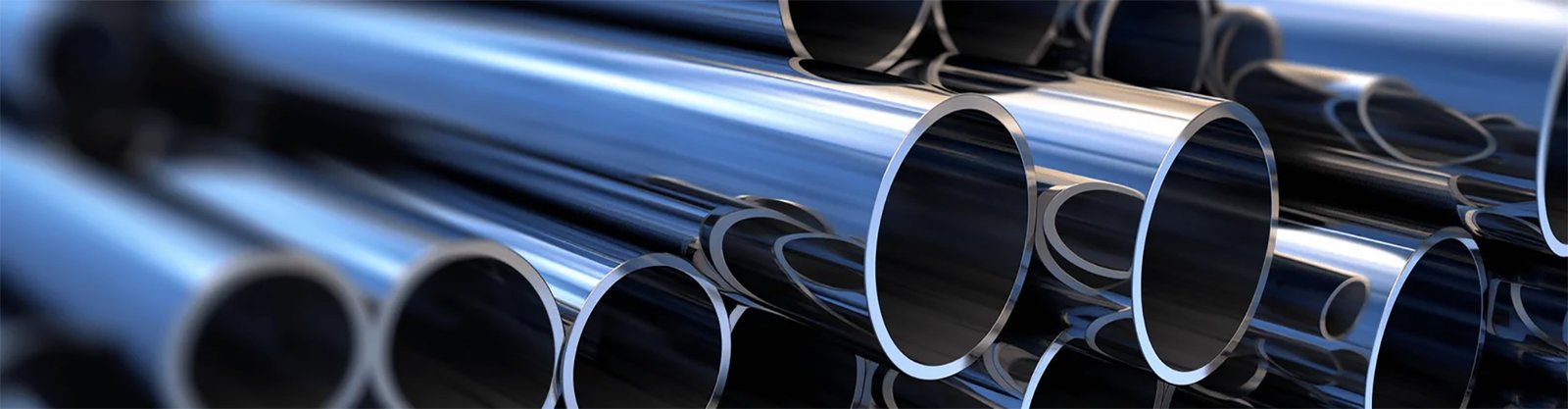
As industrial demands evolve, titanium pipe has proven to be a resilient and high-performing material across sectors like aerospace, chemical processing, marine engineering, and medical systems. While titanium itself offers exceptional corrosion resistance and strength-to-weight ratio, even this advanced metal can benefit from the latest surface enhancement technologies. Among these, nano-coatings represent the next frontier in protective solutions.
This article explores the emerging science of nano-coatings for titanium pipe, how they work, where they are applied, and why they are quickly gaining attention in high-tech industries. We also explain how sakyalloy supports clients worldwide with titanium pipe optimized for nano-coating integration.
What Are Nano‑coatings?
Nano-coatings are ultra-thin layers—often measured in nanometers (1 nm = one-billionth of a meter)—engineered at the atomic or molecular level to provide specialized surface properties. Unlike traditional coatings, nano-coatings interact with the substrate material on a microscopic scale, creating a bond that is exceptionally strong and functionally advanced.
When applied to titanium pipe, nano-coatings can significantly enhance performance in areas such as:
-
Corrosion resistance
-
Anti-fouling
-
Wear protection
-
Hydrophobicity (water repellence)
-
Anti-bacterial properties
-
Electrical conductivity
-
Thermal control
These functions make nano-coatings particularly useful in extreme environments where even titanium needs a performance boost.
Why Titanium Pipe Needs Nano-coating Advancements
Although titanium is known for its natural passivation layer that protects against corrosion, it can still face challenges in aggressive applications, such as:
-
Prolonged exposure to chlorides, acids, or seawater
-
High-temperature operations where oxidation accelerates
-
Biofouling in marine and medical settings
-
Hydrogen environments, where atomic hydrogen infiltration may occur over time
Nano-coatings serve as an ultra-thin armor, enhancing surface functionality without significantly changing pipe dimensions or adding weight. In modern engineering, such micro-scale modifications often lead to macro-scale improvements in efficiency and service life.
Types of Nano-coatings for Titanium Pipe
There are several categories of nano-coatings applicable to titanium pipes, each serving different industries and performance goals:
1. Ceramic-Based Nano-coatings
Formulated from compounds like silica (SiO₂), zirconia, or alumina, these coatings offer thermal protection and high hardness. Ideal for:
-
Aerospace exhaust systems
-
Heat exchangers
-
High-temperature fluid transport
2. Carbon-Based Nano-coatings (DLC, Graphene)
Diamond-like carbon (DLC) and graphene coatings are applied for:
-
Wear resistance
-
Lubricity in moving parts
-
Electrical conductivity
These are valuable in aerospace hydraulic systems and medical robotics.
3. Hydrophobic and Oleophobic Coatings
These nano-coatings repel water and oil, reducing fouling and corrosion. Common in:
-
Marine applications
-
Desalination piping
-
Chemical tank lines
4. Anti-bacterial Nano-coatings
Used in clean environments like hospitals and pharmaceutical systems, these inhibit microbial growth on pipe surfaces.
Application Methods
Nano-coatings can be applied to titanium pipe using several methods:
-
Atomic Layer Deposition (ALD): Layer-by-layer growth at the atomic level for maximum precision
-
Plasma-Enhanced Chemical Vapor Deposition (PECVD): High-performance coating for wear and heat resistance
-
Sol-gel techniques: Wet chemical coating method for functional films like silica
-
Electrophoretic deposition: For uniform coating on internal surfaces of small-diameter pipes
These methods are compatible with seamless, welded, and custom-shaped titanium pipes provided by manufacturers such as sakyalloy.
Real-World Applications of Nano-coated Titanium Pipe
1. Hydrogen Fuel Infrastructure
Nano-coatings are used to enhance hydrogen compatibility, preventing hydrogen-induced degradation. They help maintain purity in fuel cell systems and hydrogen pipelines.
2. Medical Implants and Devices
Nano-coatings improve bio-integration and prevent bacterial growth on titanium pipes used in surgical tools and implants.
3. Semiconductor and Cleanroom Facilities
Ultra-smooth nano-coated titanium pipe is used in ultrapure water and gas lines to prevent contamination.
4. Aerospace Propulsion
Nano-ceramic coatings extend the lifespan of titanium pipes used in engine exhaust systems and high-pressure oxygen delivery lines.
Advantages of Using Nano‑coated Titanium Pipe
-
Extended Service Life: Enhanced resistance to erosion, fouling, and corrosion
-
Efficiency Gains: Better flow dynamics due to smoother internal surfaces
-
Lower Maintenance: Self-cleaning or bio-resistant surfaces reduce cleaning cycles
-
Weight Neutral: Ultra-thin coatings maintain titanium’s lightweight profile
-
Customized Functionality: Surface properties can be tailored to specific operating environments
By combining the inherent strength of titanium with the functionality of nano-technology, industries gain a high-value solution for next-generation piping systems.
How sakyalloy Supports Nano‑coating Integration
sakyalloy is a leading provider of precision-engineered titanium pipe and tubing for global industrial use. The company’s strengths in this field include:
-
Supply of Grade 2, Grade 5, Grade 7, and Grade 12 titanium pipes compatible with nano-coating treatments
-
Support for surface preparation techniques (e.g., polishing, pickling) to enhance coating adhesion
-
Collaboration with coating developers and R&D teams to test new nano-coating formulations
-
Capability to provide small-batch and prototype pipe sections for pilot projects and coating trials
By working closely with customers and nano-coating labs, sakyalloy ensures smooth integration of cutting-edge coating solutions with top-grade titanium piping systems.
Challenges in Scaling Nano‑coatings for Titanium Pipe
Despite their promise, nano-coatings face a few challenges:
-
Cost: Advanced deposition methods can be expensive for large-scale deployment
-
Durability: Some coatings may degrade under UV, friction, or extreme temperatures
-
Standardization: Industry-wide specifications and performance tests are still evolving
-
Surface complexity: Ensuring full coverage of internal pipe surfaces is technically demanding
However, ongoing research is rapidly improving the commercial viability of nano-coating technologies for real-world industrial use.
The Future of Smart Titanium Piping
Nano-coatings are paving the way for multi-functional piping systems. Future applications may include:
-
Self-cleaning pipelines for food and beverage industries
-
Smart coatings that detect corrosion or wear in real time
-
Electro-conductive coatings for energy and battery systems
-
Radiation-resistant coatings for nuclear and space environments
As the demand for reliability, efficiency, and miniaturization grows, titanium pipe combined with nano-scale engineering will become the backbone of critical infrastructure worldwide.
Conclusion
Nano-coatings for titanium pipe represent the cutting edge of surface engineering. From enhancing durability in corrosive environments to adding antibacterial or conductive properties, these coatings push the limits of what titanium piping can achieve.
With advanced deposition methods and rapid innovation, nano-coatings are no longer just a laboratory concept—they are a commercial reality transforming industries from aerospace to biotech. Supported by expert manufacturers like sakyalloy, businesses now have access to titanium pipes that perform not only as structural elements but also as intelligent, multi-functional components.