
Performance of Grade 9 Titanium Alloy in Marine and Offshore Environments
Marine and offshore environments present some of the most corrosive and demanding conditions for engineering materials. Saltwater, high humidity, and continuous mechanical stress can rapidly degrade traditional metals such as steel, aluminum, or bronze. In such extreme conditions, Grade 9 titanium alloy (Ti-3Al-2.5V) has proven to be one of the most reliable materials for long-term service and structural integrity.
With its exceptional corrosion resistance, strength-to-weight ratio, and fatigue endurance, Grade 9 titanium is now widely used in shipbuilding, offshore oil and gas platforms, seawater desalination systems, and subsea equipment. Its ability to perform consistently under pressure and in chloride-rich environments makes it indispensable for critical marine applications.
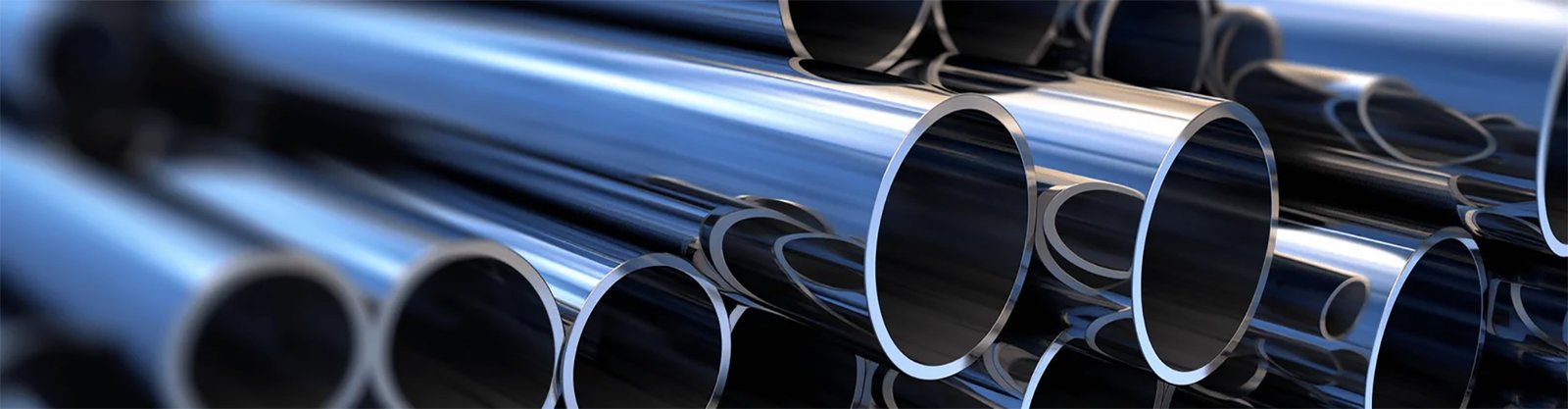
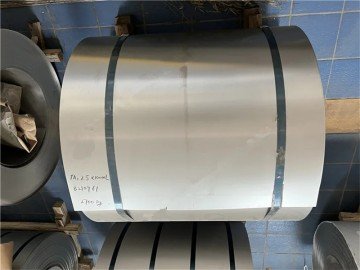
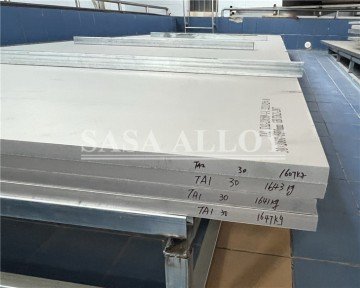
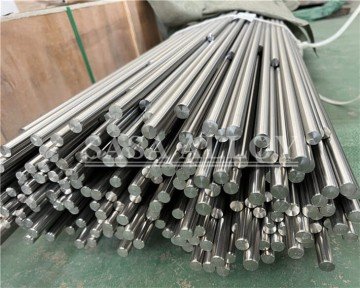
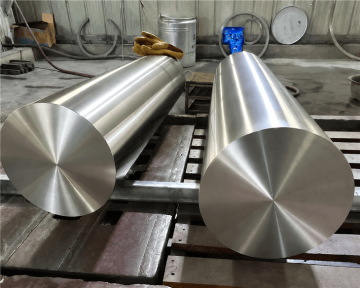
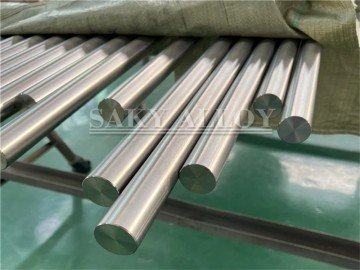
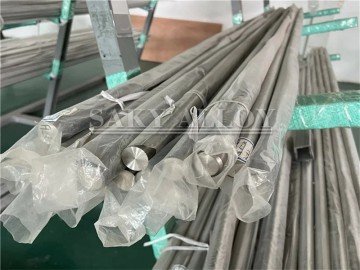
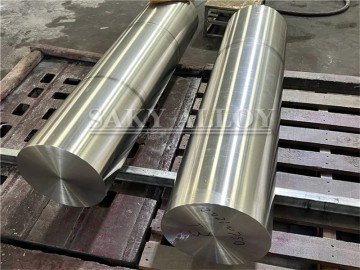
Global supplier sakyalloy provides high-quality Grade 9 titanium rods, bars, and tubes for marine and offshore industries, meeting international standards for corrosion performance, weldability, and mechanical strength. Through advanced production control and metallurgical expertise, sakyalloy ensures superior product performance and reliability in every environment — from surface ships to deep-sea installations.
Overview of Grade 9 Titanium (Ti-3Al-2.5V)
Grade 9 titanium, also known as Ti-3Al-2.5V, is an alpha-beta titanium alloy that combines excellent corrosion resistance with higher strength than commercially pure titanium. It is often described as the “marine engineer’s metal” for its outstanding balance of mechanical durability and seawater compatibility.
Chemical Composition (%):
-
Titanium (Ti): Balance
-
Aluminum (Al): 2.5–3.5
-
Vanadium (V): 2.0–3.0
-
Iron (Fe): ≤ 0.25
-
Oxygen (O): ≤ 0.20
Mechanical Properties (Annealed Condition):
| Property | Typical Value |
|---|---|
| Density | 4.48 g/cm³ |
| Tensile Strength | 620–670 MPa |
| Yield Strength | 485–550 MPa |
| Elongation | 15–20% |
| Hardness | 200–250 HB |
This unique composition gives Grade 9 titanium a superior combination of strength, toughness, and formability, making it ideal for fabricating tubes, fasteners, and structural components in marine and offshore applications.
Corrosion Challenges in Marine and Offshore Applications
Marine environments are highly aggressive due to saltwater, dissolved oxygen, and biological activity. Offshore structures also face:
-
Crevice and pitting corrosion due to stagnant seawater.
-
Galvanic corrosion from contact between dissimilar metals.
-
Stress corrosion cracking under mechanical load and temperature fluctuations.
-
Erosion and wear from high-velocity seawater and sand particles.
Conventional materials such as stainless steel, copper alloys, and carbon steel can fail prematurely under these conditions. In contrast, Grade 9 titanium forms a stable, protective oxide film (TiO₂) that continuously renews itself, providing unmatched corrosion resistance in both oxygenated and stagnant seawater.
Corrosion Resistance of Grade 9 Titanium in Seawater
One of the most remarkable properties of titanium is its ability to withstand long-term immersion in seawater without measurable corrosion. Studies show that titanium can operate in natural seawater for over 30 years without significant degradation.
Key advantages of Grade 9 titanium corrosion resistance:
-
Self-Healing Oxide Layer:
The thin TiO₂ layer on the surface repairs instantly if damaged, protecting the underlying metal from chloride attack. -
Resistance to Biofouling:
Marine organisms such as barnacles and algae do not easily adhere to titanium, reducing maintenance and cleaning needs. -
Immunity to Crevice and Pitting Corrosion:
Unlike stainless steels, titanium maintains integrity even in low-oxygen or confined spaces. -
Excellent Galvanic Compatibility:
Titanium can be safely coupled with carbon fiber composites or other inert materials in hybrid marine structures. -
Corrosion Rate:
Less than 0.0005 mm per year in natural seawater, far outperforming aluminum and stainless steel.
These properties make sakyalloy Grade 9 titanium rods and tubes ideal for marine heat exchangers, desalination systems, risers, and underwater hydraulic lines.
Applications of Grade 9 Titanium in Marine and Offshore Systems
1. Seawater Heat Exchangers and Condensers
Titanium’s high thermal conductivity and corrosion resistance make it perfect for heat exchangers in desalination plants, ship cooling systems, and offshore rigs. Tubes made from Grade 9 titanium rods transfer heat efficiently while withstanding aggressive brine conditions.
2. Offshore Oil and Gas Platforms
Offshore structures face cyclic loads and saline exposure that can corrode traditional alloys. Titanium components such as risers, manifolds, fasteners, and valve stems ensure long-term reliability with minimal maintenance.
3. Subsea Equipment and ROVs
In deep-sea conditions, materials must resist pressure and corrosion simultaneously. Titanium’s strength and low density allow remotely operated vehicles (ROVs) and submersible housings to operate at great depths without risk of failure.
4. Shipbuilding and Naval Architecture
Naval and commercial vessels use titanium in propeller shafts, exhaust systems, hydraulic tubing, and fittings. Grade 9 titanium provides significant weight savings over steel, improving fuel efficiency and vessel stability.
5. Desalination and Water Treatment Plants
Titanium’s immunity to seawater and chlorine-rich environments ensures long-term performance in reverse osmosis systems and evaporators.
6. Marine Fasteners and Hardware
Bolts, nuts, and couplings made from Grade 9 titanium retain full strength and corrosion resistance, even under dynamic loading and constant exposure to seawater.
Comparison: Grade 9 Titanium vs. Conventional Marine Materials
| Property | Grade 9 Titanium | 316L Stainless Steel | Copper-Nickel Alloy | Carbon Steel |
|---|---|---|---|---|
| Density (g/cm³) | 4.48 | 7.98 | 8.94 | 7.85 |
| Corrosion Resistance | Excellent | Moderate | Good | Poor |
| Strength-to-Weight Ratio | High | Moderate | Low | Moderate |
| Fatigue Resistance | Excellent | Good | Fair | Poor |
| Biofouling Resistance | High | Low | Moderate | Low |
| Lifespan (Years in Seawater) | 30+ | 5–10 | 10–15 | <5 |
| Maintenance Requirement | Very Low | Moderate | Moderate | High |
Clearly, Grade 9 titanium offers superior long-term performance and lifecycle economy compared to traditional marine metals.
Mechanical and Fatigue Performance in Offshore Use
Offshore components are subject to constant vibration, dynamic loading, and cyclic stress caused by waves, currents, and machinery operation. Titanium’s unique microstructure provides outstanding fatigue resistance and flexibility.
Performance Benefits Include:
-
High fracture toughness under cyclic loads.
-
Minimal deformation under stress due to elastic modulus of 110 GPa.
-
Resistance to stress-corrosion cracking.
-
Reliable weld joints for long-term service.
For offshore applications such as drilling risers, tension cables, and tubular connectors, Grade 9 titanium maintains structural integrity even under combined mechanical and environmental stress.
Welding and Fabrication Advantages
Grade 9 titanium is highly weldable, making it easier to fabricate complex marine structures. Unlike many high-strength alloys, it does not require post-weld heat treatment to restore properties.
Key fabrication advantages:
-
Excellent formability and machinability.
-
Weldable by TIG or electron beam processes.
-
Low distortion during welding due to low thermal expansion.
-
Smooth surface finish and minimal oxide formation.
sakyalloy supplies titanium rods and tubes with consistent chemical purity and microstructure, ensuring flawless performance during forming, bending, or welding operations for shipyards and offshore fabricators.
Corrosion Testing and Qualification
Before being deployed in marine systems, Grade 9 titanium products undergo rigorous testing to verify corrosion resistance and mechanical stability.
Typical Tests Include:
-
Salt Spray Testing (ASTM B117) – Evaluates resistance to chloride-induced corrosion.
-
Electrochemical Testing – Determines corrosion potential in simulated seawater.
-
Ultrasonic and Eddy Current Testing – Detects internal flaws in rods and tubes.
-
Microstructure Analysis – Ensures uniform grain size for enhanced fatigue strength.
Through these comprehensive tests, sakyalloy guarantees that each titanium component delivers maximum reliability and meets industry standards such as ASTM B348, ASTM B338, and ISO 9001.
Advantages of Grade 9 Titanium in Marine Design
-
Long-Term Durability: Titanium equipment operates maintenance-free for decades in seawater.
-
Lightweight Construction: Reduces structural loads, improving vessel efficiency and payload capacity.
-
High Resistance to Marine Biofouling: Eliminates frequent cleaning cycles.
-
Eco-Friendly and Recyclable: 100% recyclable material that supports sustainable shipbuilding.
-
Reduced Lifecycle Costs: Although initial cost is higher, total cost of ownership is significantly lower.
-
Compatibility with Composites: Ideal for hybrid designs in advanced marine engineering.
Future Trends in Titanium Marine Applications
The demand for titanium in marine and offshore sectors continues to grow as industries pursue low-maintenance, high-efficiency materials. Emerging trends include:
-
Additive Manufacturing (3D Printing): Custom titanium components for underwater drones and pumps.
-
Hybrid Composites: Integration of titanium and carbon fiber for lightweight structures.
-
Green Shipping Technologies: Titanium exhaust and cooling systems in eco-friendly vessels.
-
Offshore Wind Farms: Titanium fasteners and joints ensuring corrosion-free operation in renewable energy platforms.
As the industry evolves toward sustainable solutions, sakyalloy Grade 9 titanium remains at the forefront of innovation for marine engineering excellence.
The sakyalloy Commitment to Quality
sakyalloy is a world-class producer and supplier of titanium alloys for critical industries, including marine, offshore, aerospace, and chemical processing.
Why Choose sakyalloy:
-
Decades of titanium manufacturing expertise.
-
Advanced vacuum melting and forging technology.
-
In-house heat treatment, machining, and inspection facilities.
-
Compliance with ASTM, AMS, ISO, and NORSOK standards.
-
Full traceability and certification (EN 10204 3.1/3.2).
Through its dedication to quality and customer satisfaction, sakyalloy continues to deliver titanium solutions that ensure safety, efficiency, and reliability in the world’s harshest marine and offshore environments.
Conclusion
The exceptional performance of Grade 9 titanium alloy (Ti-3Al-2.5V) in marine and offshore environments highlights its unmatched combination of corrosion resistance, strength, and durability. From heat exchangers and seawater systems to subsea structures and naval components, titanium stands as the ultimate solution for long-term reliability and environmental sustainability.
Through advanced production techniques and strict quality control, sakyalloy provides Grade 9 titanium rods and tubes that meet the exacting demands of the global marine industry. As offshore exploration, desalination, and marine transport continue to expand, sakyalloy’s titanium materials will remain a cornerstone of progress — delivering performance, safety, and sustainability beneath and beyond the waves.