

Precision Machining Tips for Titanium Bars
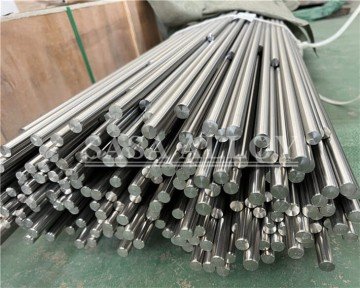
Titanium bars are essential in high-performance industries such as aerospace, medical, marine, and industrial manufacturing. While titanium offers impressive strength, corrosion resistance, and biocompatibility, it also presents unique machining challenges. The very properties that make titanium valuable—low thermal conductivity, high strength, and reactivity—can make it difficult to cut and shape with precision.
In this article, we’ll provide comprehensive precision machining tips for titanium bars, covering everything from tool selection and cutting speeds to cooling and chip control. Whether you’re working with Grade 2, Grade 5 (Ti-6Al-4V), or other titanium alloys, these techniques will help you achieve high-quality results with minimal tool wear and maximum efficiency.
1. Why Titanium Bars Are Challenging to Machine
Before diving into the tips, it’s important to understand the characteristics of titanium that complicate machining:
-
Low thermal conductivity: Heat remains concentrated at the cutting edge, increasing tool wear.
-
High chemical reactivity: Titanium tends to gall and weld to cutting tools.
-
High strength-to-weight ratio: More power is needed for material removal.
-
Work hardening tendency: Improper machining can lead to surface hardening, making further processing harder.
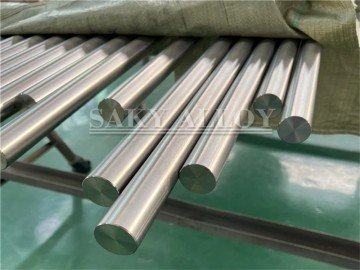
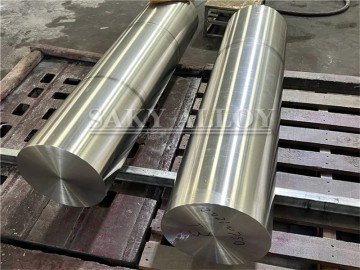
At sakyalloy, we supply titanium bars that are annealed and surface treated to facilitate easier machining, reducing complications during your operations.
2. Start with the Right Titanium Grade
Not all titanium alloys machine the same way:
-
Grade 2 (Commercially Pure Titanium): Easier to machine due to lower strength.
-
Grade 5 (Ti-6Al-4V): More challenging due to high hardness and low thermal conductivity.
-
Grade 23 (ELI): Similar to Grade 5 but with better consistency for medical parts.
Selecting the right grade for your application helps optimize your machining strategy and tool choice.
3. Tool Selection: Carbide Is King
When machining titanium bars, tool material and geometry are crucial.
Recommended Tool Types:
-
Solid carbide tools: High wear resistance, ideal for roughing and finishing.
-
Coated carbide inserts: TiAlN or AlTiN coatings resist heat and galling.
-
Sharp edges with high rake angles: Reduce cutting forces and prevent work hardening.
Avoid HSS (High-Speed Steel) for anything other than very light operations—it wears too quickly on titanium.
4. Optimize Cutting Parameters
Proper feeds and speeds reduce heat buildup and extend tool life.
| Operation | Cutting Speed (m/min) | Feed Rate (mm/rev) |
|---|---|---|
| Rough Turning | 30–60 | 0.2–0.4 |
| Finish Turning | 40–70 | 0.1–0.3 |
| Drilling | 20–30 | 0.1–0.25 |
| Milling | 60–90 (carbide) | 0.03–0.2/tooth |
Tip: Reduce speed, increase feed slightly, and avoid tool dwell time to prevent work hardening.
5. Apply Proper Cooling and Lubrication
Titanium machining generates significant heat, so coolant is essential.
-
Use high-pressure, flood coolant to flush chips and reduce tool temperature.
-
Apply coolant directly at the cutting edge for best results.
-
Consider minimum quantity lubrication (MQL) for high-speed or micro-machining.
Coolant not only improves surface finish but also prevents titanium from igniting under extreme friction conditions.
6. Use Rigid Setup and Minimize Vibration
Titanium is sensitive to vibration and chatter, which can ruin the surface finish and break tools.
Best Practices:
-
Use short tool overhangs to improve rigidity.
-
Secure the titanium bar tightly in a high-quality chuck or fixture.
-
Choose machine tools with good spindle integrity and rigidity.
-
Avoid flexible tool holders when deep cuts are required.
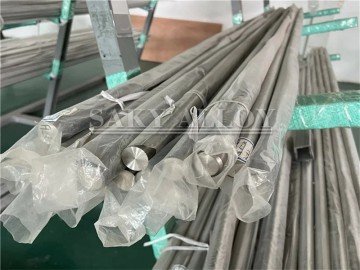
sakyalloy provides titanium bars in straightened and stress-relieved conditions to enhance stability during machining.
7. Control Chip Formation
Titanium produces long, stringy chips that can tangle, damage the workpiece, or interfere with tool paths.
Solutions:
-
Use chip breakers on inserts.
-
Employ peck drilling or interrupted cuts when boring or deep drilling.
-
Maintain consistent feed rates to promote controlled chip ejection.
Proper chip control leads to safer machining, cleaner work areas, and better surface finishes.
8. Tool Wear Monitoring and Management
Titanium wears out cutting tools faster than many metals. Monitoring wear helps reduce breakage and maintain tolerances.
Tips:
-
Use tools with wear-resistant coatings (AlTiN, TiSiN).
-
Inspect cutting edges after each operation.
-
Replace or regrind tools before excessive wear occurs.
Tool life can also be extended by using step-over milling or multi-pass strategies instead of aggressive single cuts.
9. Surface Finishing Tips After Machining
To achieve the desired surface finish or prepare for coatings:
-
Use fine-grit abrasives or polishing pads.
-
Consider electropolishing for critical aerospace or medical applications.
-
Clean the surface with acetone or alcohol to remove machining oils and titanium dust.
The final surface finish can impact product performance, corrosion resistance, and fatigue life.
10. Common Mistakes to Avoid
Avoid these pitfalls to ensure successful titanium machining:
-
Using blunt tools: Causes overheating and poor finish.
-
Improper cooling: Leads to tool burn and thermal cracking.
-
Too high cutting speeds: Accelerates tool wear.
-
Lack of rigidity: Results in chatter and imprecise cuts.
-
Skipping stress relief: Can cause bar distortion during machining.
By partnering with a quality supplier like sakyalloy, you start with machining-friendly titanium bars that already meet many of the prerequisites for success.
11. Applications of Precision-Machined Titanium Bars
Precision-machined titanium bars are widely used in:
-
Aerospace: Landing gear, turbine components, structural elements
-
Medical: Orthopedic implants, surgical tools, dental rods
-
Marine: Propeller shafts, fasteners, corrosion-resistant parts
-
Industrial: High-performance shafts, chemical processing parts
-
Defense: Armor components, missile systems, drones
With tight tolerances and superior finishes, these parts must be machined with precision from high-quality materials.
12. Why Choose sakyalloy Titanium Bars for Machining?
sakyalloy offers titanium bars with the following advantages:
-
Annealed and stress-relieved for superior machinability
-
Tight diameter tolerances per ASTM B348 and AMS 4928
-
Surface finishing options: Pickled, ground, polished
-
Ultrasonic testing and quality documentation
-
Custom lengths and grades available upon request
Whether you need Grade 5 for aerospace or Grade 2 for chemical processing, sakyalloy supplies machining-ready titanium bars with global shipping and support.
Conclusion
Machining titanium bars may be challenging, but with the right tools, techniques, and materials, it can be done with precision and efficiency. From selecting the right cutting parameters to managing chip control and cooling, each step plays a role in successful titanium fabrication.
Partnering with a reliable supplier like sakyalloy ensures your titanium bars arrive in optimal condition for machining—stress-relieved, straight, and certified. With the proper preparation, you can unlock the full performance potential of titanium in even the most demanding applications.