
Preventing Galvanic Corrosion in Titanium Piping
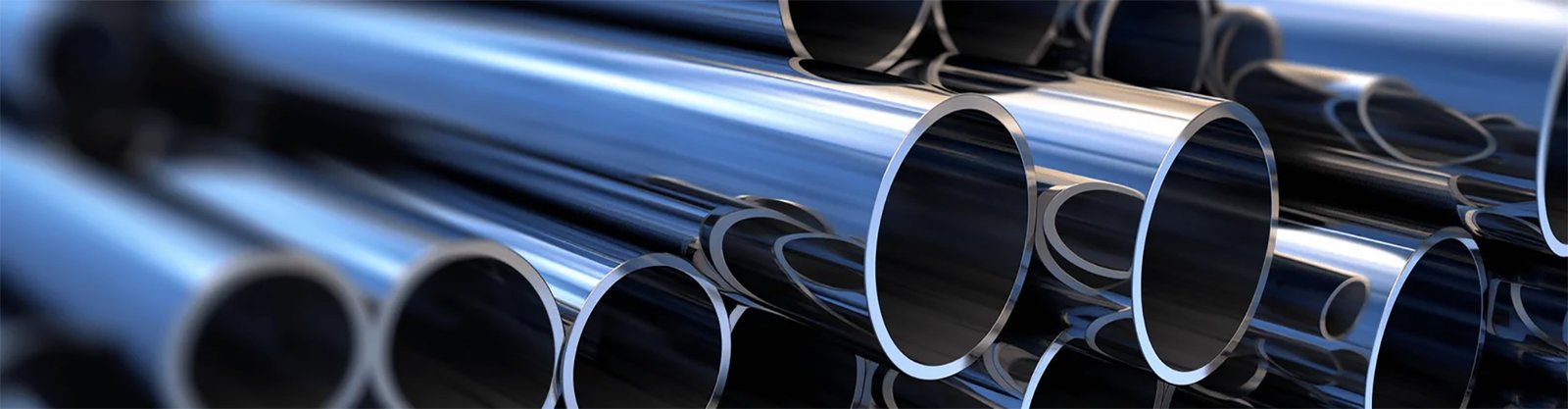
Titanium piping systems are widely used in industries that demand high strength, excellent corrosion resistance, and long service life. These systems are common in marine engineering, chemical processing, power generation, and offshore installations. However, even a material as resilient as titanium can be vulnerable to galvanic corrosion if not properly managed. Understanding and preventing galvanic corrosion in titanium piping is essential to maintain system integrity, safety, and longevity.
In this article, we will explore what galvanic corrosion is, why titanium is susceptible in certain conditions, proven strategies to prevent it, and the role of reliable suppliers like sakyalloy in providing materials and guidance to help you build durable, corrosion-resistant systems.
What Is Galvanic Corrosion?
Galvanic corrosion occurs when two dissimilar metals are electrically connected in the presence of an electrolyte (such as seawater or industrial process fluids). In this electrochemical reaction:
-
The more active (less noble) metal acts as the anode and corrodes faster.
-
The more noble metal acts as the cathode and is protected.
Titanium is highly noble in most environments. When it is electrically connected to less noble metals like carbon steel, aluminum, or zinc, those metals corrode rapidly. But when titanium is coupled with even more noble materials (rare but possible in certain systems), it may become vulnerable, especially in localized zones.
Why Galvanic Corrosion Matters in Titanium Piping Systems
Titanium itself is remarkably corrosion-resistant, but in mixed-metal systems:
-
The connected less-noble metals may corrode quickly, causing leaks, contamination, or structural failure.
-
Localized attack near joints can compromise the integrity of titanium pipes.
-
The protective oxide layer of titanium may degrade near galvanic connections if design or isolation is poor.
Preventing galvanic corrosion is crucial to safeguard the performance and reliability of titanium piping in critical applications.
Factors That Contribute to Galvanic Corrosion in Titanium Systems
Several conditions can promote galvanic corrosion:
Presence of an Electrolyte
Water (especially seawater, brackish water, or process fluids with ions) provides the medium for galvanic action.
Direct Electrical Contact
If titanium is in metal-to-metal contact with a dissimilar metal, the electrical circuit for galvanic corrosion is complete.
Large Cathode-to-Anode Area Ratio
When a large titanium surface (cathode) is connected to a small active metal surface (anode), the smaller metal corrodes faster because it must supply the current needed to protect the larger titanium area.
Poor Isolation at Joints
Flanges, fasteners, or supports made from incompatible materials can create galvanic couples at connection points.
Best Practices for Preventing Galvanic Corrosion in Titanium Piping
1. Use Compatible Materials
Where possible, design systems so that all metallic components exposed to electrolytes are of similar galvanic potential. If dissimilar metals must be used:
-
Select alloys close to titanium in the galvanic series.
-
Avoid using highly active metals (like carbon steel, aluminum, or zinc) in direct contact with titanium in wet environments.
2. Electrically Isolate Dissimilar Metals
One of the most effective strategies:
-
Use non-conductive gaskets, sleeves, or washers at flange joints.
-
Apply isolation kits to bolts and fasteners that pass through titanium flanges.
-
Ensure piping supports are lined or coated to prevent electrical contact.
3. Apply Protective Coatings
If dissimilar metals must be connected:
-
Coat the less-noble metal to reduce its exposure to the electrolyte.
-
Ensure coatings are well maintained, as damaged coatings can create small anode areas that corrode rapidly.
4. Control the Environment
Reducing the presence or aggressiveness of the electrolyte helps:
-
Use deionized or treated water where feasible.
-
Design for proper drainage so that water doesn’t pool around connections.
-
Consider cathodic protection for large systems exposed to seawater.
5. Optimize Design
-
Minimize large titanium cathode areas connected to small anode surfaces.
-
Design joints and connections to minimize crevices where electrolytes can collect and promote corrosion.
6. Regular Inspection and Maintenance
-
Periodically inspect connections for signs of corrosion at joints.
-
Maintain protective coatings and isolation components.
-
Replace worn or damaged isolation materials promptly.
Applications Where Galvanic Corrosion Prevention Is Critical
Marine Systems
Titanium pipes in shipboard or offshore environments are often exposed to seawater, making galvanic protection at joints and supports critical.
Chemical Processing
Process fluids containing chlorides or other corrosive agents can promote galvanic action where titanium meets dissimilar metals.
Heat Exchangers
Titanium heat exchanger tubes must be isolated from tube sheets made of different metals to prevent galvanic corrosion.
The Role of a Trusted Supplier
Choosing high-quality materials and getting expert guidance at the design stage can greatly reduce galvanic corrosion risks. sakyalloy provides:
-
Titanium pipes and components with certified quality and surface finish.
-
Technical support on material compatibility and galvanic corrosion prevention strategies.
-
Access to isolation kits and compatible fittings that help ensure system integrity.
Sourcing from sakyalloy helps ensure that your titanium piping system is built for long-term durability and resistance to galvanic challenges.
Conclusion
Preventing galvanic corrosion in titanium piping is essential for ensuring the safe and reliable operation of systems in challenging environments. By understanding the conditions that cause galvanic corrosion and applying best practices — including material selection, electrical isolation, protective coatings, and smart design — operators can protect their investments in titanium piping.
Working with a trusted supplier like sakyalloy provides the added assurance of high-quality materials and expert advice to help you design, install, and maintain systems that stand up to the test of time. With proper care, titanium piping can deliver decades of superior performance in even the harshest environments.