
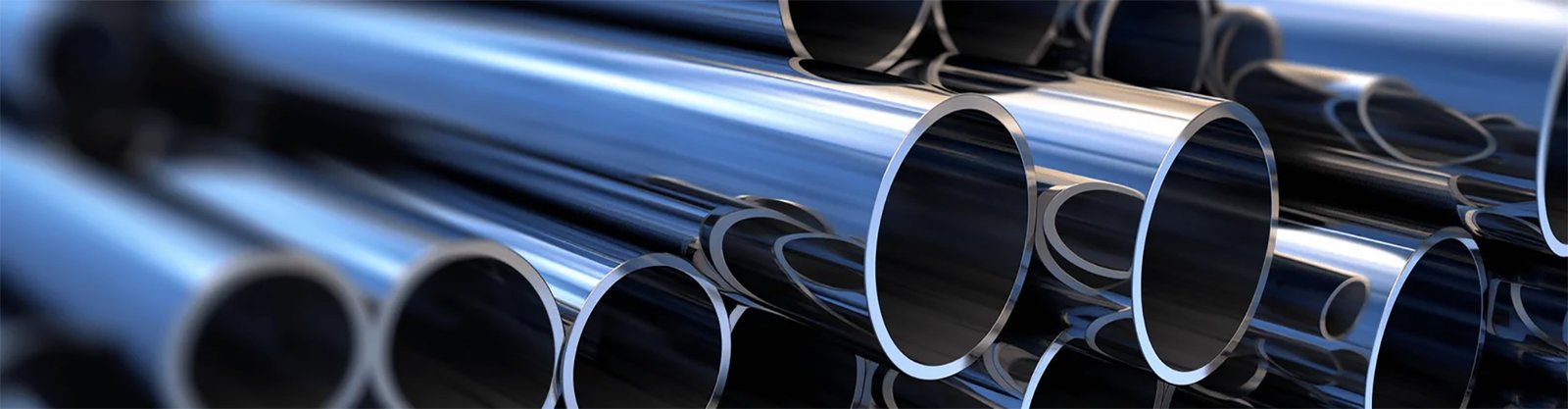
Repairing and Replacing Damaged Titanium Pipe
Titanium pipes are renowned for their superior strength, corrosion resistance, and lightweight properties. These qualities make titanium piping systems a popular choice in industries such as aerospace, marine engineering, chemical processing, and power generation. However, despite titanium’s exceptional performance, no material is immune to damage. Over time, titanium pipes may suffer from fatigue, corrosion, or mechanical impacts, making repairing and replacing damaged titanium pipe an essential process to ensure safety, efficiency, and longevity.
In this article, we will explore the causes of titanium pipe damage, how to assess damage effectively, methods for repair and replacement, and best practices for maintaining titanium piping systems. We will also highlight the role of trusted suppliers like sakyalloy in providing high-quality titanium products that reduce risks and support reliable repairs.
Common Causes of Titanium Pipe Damage
Although titanium is highly durable, several factors can contribute to pipe damage over time:
Mechanical Impact
Titanium pipes can be dented, deformed, or cracked due to accidental impacts during transportation, installation, or maintenance activities.
Fatigue and Vibration
In dynamic environments such as marine vessels or industrial machinery, repetitive loading and vibration can lead to fatigue cracks, especially at joints and bends.
Corrosion-Related Issues
While titanium is extremely corrosion-resistant, localized corrosion such as crevice corrosion or galvanic corrosion (if titanium is in contact with dissimilar metals without proper isolation) can weaken the material.
Welding Defects
Improper welding practices, inadequate shielding gas protection, or contamination during fabrication can introduce flaws that may lead to crack initiation under stress.
Thermal Stress
In systems exposed to high and fluctuating temperatures, repeated expansion and contraction can create stress points that eventually lead to cracking or warping.
Assessing Damage in Titanium Pipes
Before deciding whether to repair or replace a damaged titanium pipe, a thorough assessment is essential. The process typically involves:
Visual Inspection
Look for obvious signs of damage, including dents, cracks, deformation, corrosion marks, or discoloration. Pay particular attention to weld seams, bends, and connections.
Non-Destructive Testing (NDT)
Techniques such as dye penetrant testing, ultrasonic testing, and radiographic inspection can detect hidden cracks, porosity, or inclusions. These methods are critical for ensuring that subsurface defects are identified.
Pressure Testing
For pressurized systems, hydrostatic or pneumatic testing may be used to verify the pipe’s integrity and identify any leaks or weak points.
Detailed documentation of all findings helps guide the next steps and provides a record for future reference.
Methods for Repairing Damaged Titanium Pipe
Welding Repair
Titanium pipes can often be repaired by TIG (GTAW) welding, provided:
-
The environment is clean, with no contaminants present.
-
High-purity argon is used for shielding, with trailing shields and internal purge gas where necessary.
-
Welders are trained and certified for titanium welding procedures.
All weld repairs should be inspected using NDT methods before the system is returned to service.
Sleeving or Cladding
For minor external damage that does not compromise pipe integrity, a titanium sleeve or external cladding may be fitted over the damaged section. This solution can reinforce the area but should be considered temporary or supplementary.
Composite Patching
In certain low-pressure or non-critical applications, composite materials may be used to patch minor surface damage. However, this approach is rarely recommended for critical titanium piping systems.
When Replacement Is the Best Option
Repair may not always be feasible or safe. Full or partial pipe replacement is preferred when:
-
Cracks are extensive or propagate through the pipe wall.
-
Wall thickness is compromised due to corrosion or erosion.
-
Fatigue damage is widespread.
-
Weld defects are too significant to repair confidently.
-
The damaged section is inaccessible for reliable repair.
Replacement restores full mechanical strength and compliance with design specifications.
Steps for Replacing Damaged Titanium Pipe
1. Planning
-
Identify the damaged section and determine the length and specifications of the replacement piece.
-
Ensure compatibility with existing system design and pressure ratings.
2. Sourcing High-Quality Material
Work with reputable suppliers like sakyalloy to obtain:
-
Titanium pipe that meets international standards (e.g., ASTM B861, B862).
-
Certified chemical composition and mechanical properties.
-
Full traceability and mill test certificates.
3. Removing the Damaged Section
-
Cut the damaged area cleanly, avoiding contamination of adjacent material.
-
Prepare the ends for welding, ensuring proper alignment and fit-up.
4. Installing the Replacement Pipe
-
Perform welding in a controlled environment using proper shielding techniques.
-
Inspect all welds with appropriate NDT methods.
5. Final Testing and Commissioning
-
Conduct pressure testing to verify integrity.
-
Document test results for regulatory and quality assurance purposes.
Best Practices for Repairing and Replacing Titanium Pipe
Use Qualified Personnel
Repairing and replacing titanium pipe requires specialized skills. Ensure that only qualified professionals with experience in titanium fabrication and welding perform these tasks.
Maintain Clean Conditions
Titanium is highly reactive at elevated temperatures. Keep the environment free from contaminants, including moisture, oil, grease, and iron particles, to avoid compromising weld quality.
Follow Standards
Adhere to applicable codes and standards such as ASME B31.3, API codes, or customer-specific requirements to ensure compliance.
Record All Work
Document every step of the repair or replacement process, including inspection reports, weld procedures, and test results. This information supports future maintenance and audits.
The Role of a Trusted Supplier
High-quality materials are the foundation of successful repairs and replacements. sakyalloy provides:
-
Titanium pipes with certified properties to meet stringent industry requirements.
-
Expert guidance on material selection and fabrication best practices.
-
Reliable documentation to support compliance and traceability.
Choosing the right supplier ensures that your replacement material integrates seamlessly into your system and performs as expected.
Preventing Future Damage
After repair or replacement, consider implementing the following preventative measures:
-
Review system design to eliminate stress concentrators.
-
Improve supports and hangers to reduce vibration fatigue.
-
Apply isolation techniques to prevent galvanic corrosion.
-
Schedule regular inspections and maintenance to catch issues early.
-
Provide training to handling and maintenance teams on titanium system care.
Conclusion
Repairing and replacing damaged titanium pipe is a critical task that requires a combination of precise assessment, skilled execution, and the use of high-quality materials. By following best practices and partnering with experienced suppliers like sakyalloy, operators can restore system integrity, ensure compliance, and extend the service life of titanium piping systems. In industries where safety and reliability are paramount, investing in proper repair and replacement processes is essential for long-term success.