
Rising Demand for Titanium Grade 11 Bars in Marine and Offshore Industries
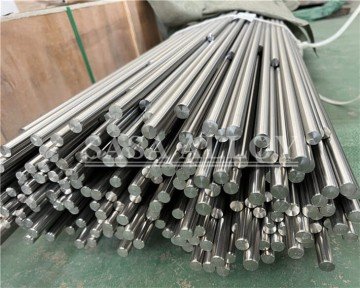
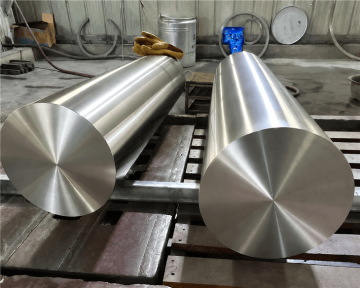
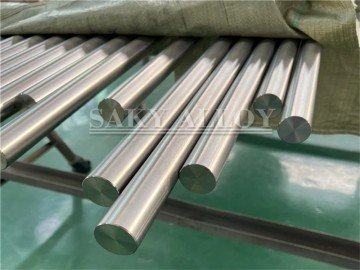
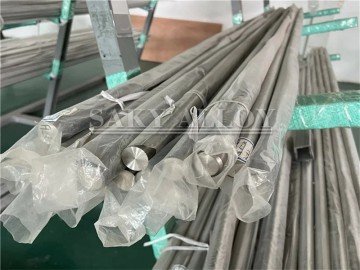
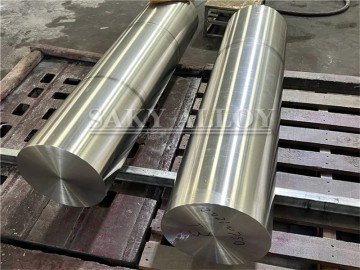
In recent years, the global marine and offshore industries have experienced a significant shift in material selection as operating environments become increasingly harsh and performance expectations continue to rise. Among the many materials gaining widespread attention, Titanium Grade 11 bars have emerged as one of the fastest-growing choices for corrosion-resistant, lightweight, and high-performance applications. Known for their exceptional resistance to seawater corrosion and outstanding mechanical stability, Titanium Grade 11 bars are now being adopted across shipbuilding, desalination plants, offshore oil platforms, and underwater engineering. As major manufacturers such as sakyalloy continue to expand production capacity, the global demand for Titanium Grade 11 bars shows no signs of slowing down.
Why Titanium Grade 11 Is Ideal for Marine and Offshore Conditions
Marine and offshore environments expose materials to some of the most aggressive conditions on the planet. Constant contact with seawater, chloride-rich atmospheres, biofouling organisms, and cyclic stress make material selection critical for long-term reliability. Titanium Grade 11, a modification of commercially pure titanium containing a small amount of palladium, offers remarkable corrosion resistance even in warm and polluted seawater. This property makes it significantly more durable than stainless steels, duplex alloys, or high-grade copper-nickel alloys traditionally used in coastal engineering.
The addition of palladium enhances the material’s ability to resist crevice corrosion and pitting, two forms of degradation that often lead to catastrophic failure in marine hardware. This unique combination of corrosion resistance and mechanical integrity allows Titanium Grade 11 bars to thrive in submerged and splash-zone applications where lesser alloys fail prematurely.
Increasing Use in Offshore Oil and Gas Platforms
Offshore oil and gas extraction requires materials capable of withstanding continuous exposure to seawater, dynamic loading, and extreme weather conditions. Titanium Grade 11 bars are increasingly used in components such as riser systems, hydraulic lines, offshore structural connectors, and pump shafts. With deeper drilling operations and stricter safety requirements, operators now prioritize materials that deliver long-term security and reduced maintenance. Titanium Grade 11 bars offer an excellent solution by combining corrosion resistance, lightweight performance, and long service life.
Moreover, the strength-to-weight ratio of Titanium Grade 11 significantly reduces the overall load on offshore installations, contributing to improved energy efficiency and safer operations. These advantages have pushed multiple offshore contractors to transition away from stainless steel and replace critical components with titanium.
Adoption in Desalination and Water Treatment Projects
The global increase in desalination initiatives, particularly in coastal regions with limited freshwater resources, has also boosted the demand for Titanium Grade 11 bars. Reverse osmosis and multi-stage flash desalination systems rely heavily on corrosion-resistant materials capable of handling hot brine, aggressive scaling compounds, and continuous operational cycles. Titanium Grade 11 bars are used in evaporator tubes, pressure vessel components, piping systems, and brine circulation equipment.
Unlike many metals that degrade quickly in concentrated brine solutions, Titanium Grade 11 maintains stability and resists chemical breakdown. Its long service life minimizes replacement frequency, thereby reducing operational cost and downtime for desalination plants.
Growing Importance in Underwater Structural Engineering
Underwater construction projects such as subsea pipelines, mooring systems, ocean energy installations, and coastal defense structures increasingly depend on titanium materials due to their durability and minimal maintenance needs. Titanium Grade 11 bars are ideal for reinforcement rods, anchor bolts, and structural connectors used in underwater assemblies.
Traditional materials often suffer from stress corrosion cracking, hydrogen embrittlement, or metal fatigue in long-term underwater deployment. Titanium Grade 11, however, remains unaffected by these issues, providing unmatched safety and reliability. This has positioned it as a preferred choice for critical infrastructure such as floating wind turbine foundations and subsea robotics.
Environmental and Sustainability Advantages
As sustainability becomes a core priority in marine construction, Titanium Grade 11 offers several environmental benefits. Its long service life reduces the need for frequent replacements, lowering material consumption and waste generation. Additionally, titanium is fully recyclable, allowing industries to reclaim and repurpose the material without losing performance characteristics.
Marine ecosystems also benefit from titanium’s inert nature, as it does not release harmful ions or contribute to environmental contamination. This property makes Titanium Grade 11 suitable for use in marine research equipment, aquaculture installations, and environmentally sensitive underwater developments.
Expansion of Global Supply and Manufacturing
Driven by the increasing demand across multiple industries, global producers are scaling up the manufacture of Titanium Grade 11 bars. Leading suppliers such as sakyalloy are investing in advanced melting technologies, precision forging, and high-accuracy inspection systems to ensure consistent product quality. With rising adoption in international offshore projects, manufacturers are focusing on enhanced mill capabilities, tighter tolerances, and improved mechanical property control.
This shift also includes the development of new processing techniques such as isothermal forging, precision rolling, and advanced heat treatment, all aimed at improving microstructural stability and product performance. These technological improvements have helped position Titanium Grade 11 as a premium engineering material across the marine sector.
Industry Forecast and Market Growth Outlook
Research forecasts indicate sustained growth in the demand for Titanium Grade 11 bars, driven by investment in renewable ocean energy, offshore wind expansion, underwater transport infrastructure, and modernization of naval fleets. Asia-Pacific, the Middle East, and Europe are expected to remain the top regions for material consumption, with emerging markets pushing for high-performance materials to support coastal development.
As operating conditions become more challenging and safety standards increase, industries will continue moving away from traditional alloys in favor of Titanium Grade 11. The material’s proven performance, durability, and long-term cost efficiency will ensure its place as a cornerstone material for future marine engineering.
Conclusion
The rising demand for Titanium Grade 11 bars in marine and offshore industries reflects a global shift toward more reliable, corrosion-resistant, and sustainable materials. With unmatched durability in seawater environments, superior mechanical stability, and excellent environmental compatibility, Titanium Grade 11 has become a leading choice for offshore platforms, desalination systems, subsea structures, and coastal infrastructure. As advanced manufacturers continue to innovate and expand capacity, Titanium Grade 11 will play an increasingly vital role in modern marine engineering and offshore development.