
Role of Titanium Pipe in Future Energy Systems
As the global energy sector undergoes a monumental shift toward cleaner, more sustainable sources, material engineering must evolve alongside it. From hydrogen fuel networks to offshore wind turbines and next-generation nuclear reactors, infrastructure demands are higher than ever—requiring materials that are lightweight, strong, corrosion-resistant, and long-lasting. One metal is rising to meet this challenge: titanium.
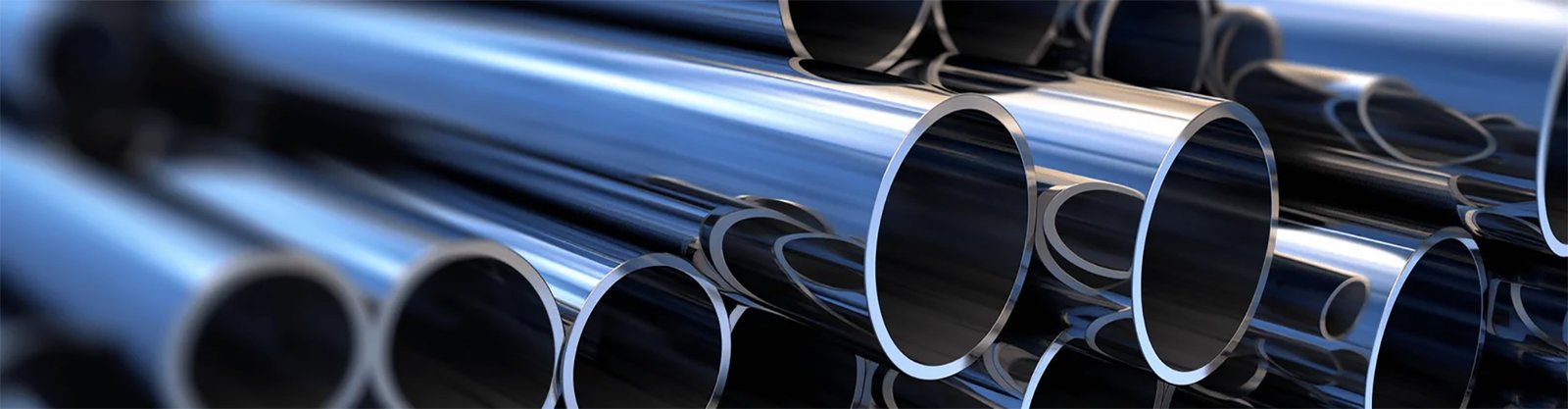
In particular, titanium pipe is playing an increasingly vital role in the architecture of future energy systems. This article explores how titanium pipe supports the transition to cleaner energy, what advantages it offers, and how companies like sakyalloy are contributing to this transformation with advanced titanium solutions.
The Global Energy Shift: An Overview
Future energy systems are defined by key trends:
-
Decarbonization: Reducing greenhouse gas emissions across all sectors.
-
Decentralization: Smaller, more flexible grids, with localized energy generation.
-
Electrification: Replacing fossil fuels with electricity in transport, heating, and industry.
-
Hydrogen Economy: Producing, storing, and transporting hydrogen as a clean fuel.
-
Energy Storage: Managing intermittent renewable energy via batteries, compressed gases, or thermal storage.
Each of these trends brings engineering challenges where titanium pipe stands out as a critical material solution.
Why Titanium Pipe?
Titanium pipe is unique in its ability to meet extreme operating demands:
-
High corrosion resistance: Performs in seawater, acidic environments, and hydrogen-rich systems.
-
Exceptional strength-to-weight ratio: Reduces infrastructure weight without compromising safety.
-
Wide temperature tolerance: Stable across cryogenic and high-heat conditions.
-
Longevity: Withstands decades of use with minimal degradation.
-
Biocompatibility and low reactivity: Safe for sensitive chemical or fluid transfer.
These features make titanium pipe indispensable for energy systems designed for performance, reliability, and sustainability.
Key Applications in Future Energy Systems
1. Hydrogen Infrastructure
Hydrogen is a promising clean fuel, but storing and transporting it is highly demanding. Titanium pipe resists hydrogen embrittlement and corrosion, making it ideal for:
-
Hydrogen fuel distribution networks
-
On-board hydrogen vehicle piping
-
Hydrogen production plants (electrolyzers)
-
Storage tanks and transfer lines at fueling stations
Titanium’s low permeability and high strength ensure long-term safety in high-pressure systems, supporting global hydrogen adoption.
2. Offshore Wind and Ocean Energy
Offshore energy infrastructure faces constant exposure to seawater, salt spray, and harsh weather. Titanium pipe is increasingly used for:
-
Cooling systems in wind turbines
-
Subsea umbilicals and fluid control lines
-
Corrosion-resistant fasteners and structural piping
Its long life cycle reduces the need for costly offshore maintenance, while its light weight simplifies platform and turbine design.
3. Advanced Nuclear Energy
Next-generation reactors, such as small modular reactors (SMRs) and molten salt reactors (MSRs), require materials that can tolerate radiation, heat, and corrosive environments.
Titanium pipe is used in:
-
Heat exchangers and secondary coolant systems
-
Instrumentation tubing within pressurized reactors
-
Containment and structural piping for safety systems
Its radiation resistance and dimensional stability contribute to nuclear safety and efficiency.
4. Geothermal Energy
High temperatures, aggressive geothermal brines, and underground pressure all challenge conventional piping materials. Titanium pipe excels in:
-
Production tubing for geothermal wells
-
Steam pipelines and condensate return systems
-
Acidic or mineral-rich geothermal fluids
By withstanding extreme geothermal environments, titanium enables long-term geothermal resource extraction with minimal maintenance.
5. Carbon Capture and Storage (CCS)
Future energy systems will include CCS to mitigate emissions from hard-to-abate sectors. CCS systems involve:
-
High-pressure CO2 pipelines
-
Acidic and moisture-laden environments
-
Long-term underground injection
Titanium pipe provides the corrosion resistance needed to safely manage captured CO2 throughout the entire system lifecycle.
Benefits of Using Titanium Pipe in Energy Projects
-
Reduced Downtime
Titanium’s durability minimizes pipe failure and unplanned shutdowns, especially in remote or offshore energy sites. -
Improved Lifecycle Economics
Although the initial cost is higher, titanium’s long service life and minimal maintenance make it more economical over decades. -
Material Efficiency
Its strength allows for thinner walls compared to steel, reducing weight without compromising pressure tolerance. -
Sustainability
Titanium is recyclable and contributes to environmentally responsible energy infrastructure. -
Innovation Ready
Compatible with advanced technologies such as 3D printing, nano-coatings, and smart sensor integration.
How sakyalloy Supports Energy Sector Clients
sakyalloy is committed to enabling energy innovation through precision titanium pipe products. The company provides:
-
Seamless and welded titanium pipes manufactured to international standards (ASTM B861, B862, etc.)
-
Titanium alloys tailored to energy needs, including Grades 2, 5, 7, and 12
-
Custom dimensions and tight tolerances for high-performance applications
-
Engineering support for corrosive, high-pressure, and high-temperature conditions
-
Global logistics to support renewable, nuclear, and hydrogen projects around the world
As energy systems grow more complex and decentralized, sakyalloy continues to offer material solutions that bridge engineering challenges and sustainability goals.
Future Outlook: Titanium in Emerging Energy Frontiers
In the coming decades, titanium pipe will expand its role in:
-
Floating solar farms with water-cooled piping infrastructure
-
Ammonia-based hydrogen carriers, requiring corrosion-resistant tubing
-
Space-based solar power stations, where light weight and temperature resistance are critical
-
Hybrid energy microgrids, integrating geothermal, solar, and hydrogen systems with unified piping networks
As the push toward a net-zero future intensifies, titanium pipe is poised to become a foundational component of the world’s clean energy infrastructure.
Conclusion
Titanium pipe is no longer just a specialty material—it is a strategic enabler of next-generation energy systems. Its performance under pressure, in corrosive environments, and across extreme temperatures makes it essential to infrastructure that must last, perform, and protect.
From the ocean floor to outer space, and from hydrogen pipelines to nuclear cooling loops, titanium is helping to build a more resilient and sustainable energy future. With advanced manufacturing capabilities and industry-specific expertise, sakyalloy is proud to support global progress in energy with high-performance titanium pipe solutions.