
Surface Finishing Techniques for Titanium Bars
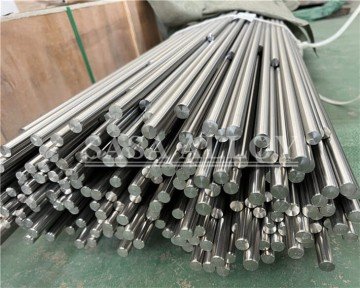
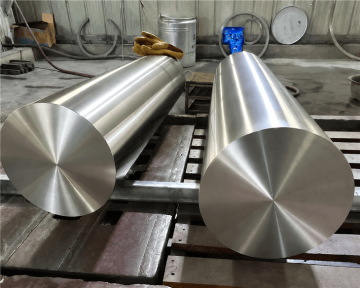
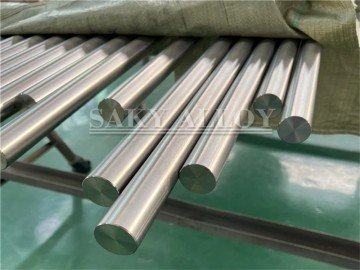
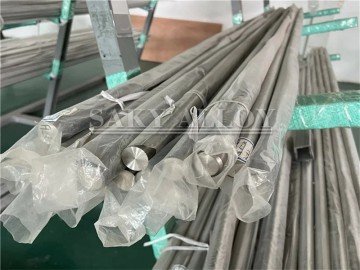
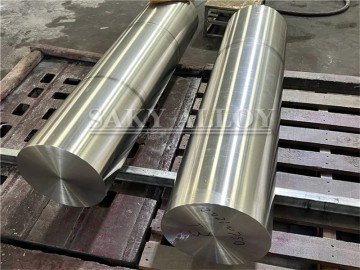
Titanium bars are widely used in aerospace, medical, chemical, and marine industries due to their exceptional strength-to-weight ratio, corrosion resistance, and biocompatibility. However, the surface finish of titanium bars is just as crucial as their composition. Surface finishing not only enhances appearance but also improves performance characteristics, such as fatigue strength, corrosion resistance, and cleanliness.
In this article, we will explore the various surface finishing techniques for titanium bars, their advantages, suitable applications, and how sakyalloy ensures top-quality finishes to meet industry demands.
1. Why Surface Finishing Matters for Titanium Bars
Titanium’s natural oxide layer already provides good corrosion resistance, but a carefully selected surface finish can further improve:
-
Wear resistance
-
Aesthetic appeal
-
Fatigue performance
-
Surface cleanliness
-
Compatibility with coatings or adhesives
Applications like medical implants, aerospace shafts, and chemical equipment often require a specific finish to meet regulatory and performance standards.
2. Common Surface Finishing Techniques
a) Pickling
Pickling is a chemical cleaning process that removes oxide scale, discoloration, and minor surface impurities using acid solutions (typically a mix of nitric and hydrofluoric acid).
-
Purpose: Clean surface, restore brightness
-
Surface: Matte gray to silver
-
Applications: Medical, food processing, chemical
At sakyalloy, pickling is a standard treatment for hot-forged titanium bars to restore surface purity before further processing.
b) Mechanical Polishing
This technique uses abrasives like sandpaper or polishing wheels to smoothen the surface and reduce roughness. Different levels of grit determine the final finish.
-
Purpose: Improve appearance and surface consistency
-
Surface: Satin to mirror finish
-
Applications: Architectural, decorative, surgical tools
Polished titanium bars are popular for visible parts or where aesthetics and low friction are required.
c) Electrochemical Polishing (Electropolishing)
Electropolishing is an electrolytic process that removes a thin layer of titanium ions from the bar surface, leveling micro-peaks and valleys.
-
Purpose: Achieve ultra-smooth, passive surface
-
Surface: Bright, highly reflective
-
Applications: Medical implants, aerospace, cleanroom equipment
Electropolishing is often used on sakyalloy titanium bars destined for medical or ultra-clean environments.
d) Shot Peening
This process bombards the titanium surface with high-velocity steel or ceramic balls to induce compressive stress on the surface.
-
Purpose: Improve fatigue life, crack resistance
-
Surface: Uniform matte texture
-
Applications: Aerospace, automotive, high-load components
Shot peening doesn’t enhance appearance but greatly improves mechanical durability.
e) Sandblasting (Grit Blasting)
Sandblasting uses pressurized grit particles to clean and texture the surface of titanium bars. Common abrasives include aluminum oxide or silicon carbide.
-
Purpose: Clean surface, enhance adhesion
-
Surface: Matte, uniform texture
-
Applications: Pre-treatment for coatings, bonding, welding
Sandblasted titanium bars from sakyalloy provide excellent surface adhesion for further coating or bonding processes.
f) Grinding
Grinding removes excess material using an abrasive wheel and ensures precise dimensions and flat, clean surface geometry.
-
Purpose: Achieve specific tolerances and flatness
-
Surface: Smooth to semi-polished
-
Applications: Tooling, shafts, precision bars
Grinding is a must for titanium bars used in tight-tolerance engineering applications.
g) Brushing
Brushing uses wire or abrasive brushes to create a uniform directional grain on the surface.
-
Purpose: Aesthetic uniformity, light scratch removal
-
Surface: Satin, textured
-
Applications: Consumer goods, sports equipment, automotive trims
Brushed titanium is valued for its aesthetic and is commonly used in consumer-grade applications.
h) Chemical Milling (Etching)
Chemical milling removes surface material via controlled chemical reactions to reduce weight or create intricate designs.
-
Purpose: Weight reduction, remove alpha case
-
Surface: Slightly roughened
-
Applications: Aerospace skins, implant shaping
This technique is often used in combination with masking to create selective depth patterns on titanium bars or sheets.
3. Comparison Table of Titanium Surface Finishes
| Finish Type | Appearance | Roughness (Ra µm) | Key Benefit | Typical Use |
|---|---|---|---|---|
| Pickling | Matte/silver gray | 1.0 – 2.5 | Removes scale | General cleaning, chemical |
| Mechanical Polish | Bright/satin | 0.1 – 0.8 | Smooth appearance | Decorative, surgical |
| Electropolish | Mirror-bright | <0.1 | Ultra-smooth, passive | Medical, aerospace |
| Shot Peening | Dull gray | 1.5 – 3.5 | Fatigue resistance | Aerospace load parts |
| Sandblasting | Matte/textured | 1.5 – 3.0 | Adhesion, cleaning | Coating prep, bonding |
| Grinding | Semi-polished | 0.2 – 0.5 | Dimensional accuracy | Precision engineering |
| Brushing | Satin/grained | 0.5 – 1.5 | Decorative finish | Consumer goods |
| Chemical Milling | Etched/textured | Varies | Alpha case removal | Aerospace, medical shaping |
4. Surface Finish Standards for Titanium
Various industry standards guide the required finish for titanium bars:
-
ASTM B348 – For general titanium bar specifications
-
AMS 4928 – Aerospace-grade bar standards
-
ISO 5832-3 – Titanium alloys for surgical implants
-
ASTM F136 – For titanium medical implants
sakyalloy ensures that all titanium bars comply with these surface finish standards when required.
5. How Surface Finishing Affects Performance
-
Corrosion Resistance: Smooth finishes reduce crevice areas and improve the integrity of the oxide layer.
-
Fatigue Resistance: Shot peening and polishing remove stress risers.
-
Coating/Bonding: Sandblasting or etching creates better bonding surfaces.
-
Machinability: Surface-treated bars are easier to cut or weld.
-
Cleanliness: Essential in pharmaceutical and surgical environments.
6. Choosing the Right Surface Finish
When selecting the right surface finish, consider the following:
-
Function: Will the bar undergo stress, contact fluids, or require biocompatibility?
-
Environment: Is it marine, chemical, or vacuum-based?
-
Appearance: Is aesthetic value important?
-
Post-processing: Will the bar be coated, machined, or welded?
sakyalloy provides personalized guidance to help select the ideal finish for your specific titanium bar application.
7. Custom Surface Finishing Services at sakyalloy
At sakyalloy, we offer in-house and partnered surface treatment services, including:
-
Custom roughness levels (Ra)
-
Mirror polishing or ultra-fine grinding
-
Pickling and passivation
-
Peening and shot blasting
-
Surface preparation for coating or adhesive bonding
-
Certified finishes with full test reports
We also provide samples, photographic documentation, and coating compatibility support.
Conclusion
Surface finishing is more than just a cosmetic enhancement—it is a critical part of achieving performance, safety, and compliance in titanium bar applications. From pickling to electropolishing, the right finishing method can make a significant difference in how your titanium bar performs in the real world.
Whether you require high-precision aerospace shafts, biocompatible surgical rods, or corrosion-resistant marine parts, sakyalloy ensures your titanium bars meet the highest surface quality standards. With advanced equipment, skilled technicians, and a commitment to excellence, we deliver ready-to-use titanium bars tailored to your project.