
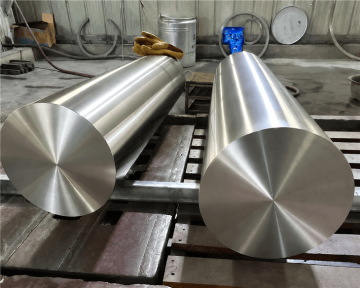
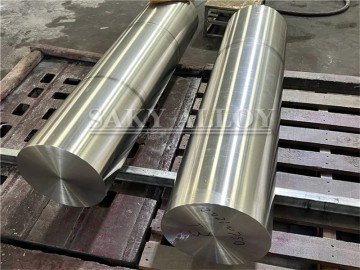
Surface Finishing Titanium Pipe: Polishing & Coating
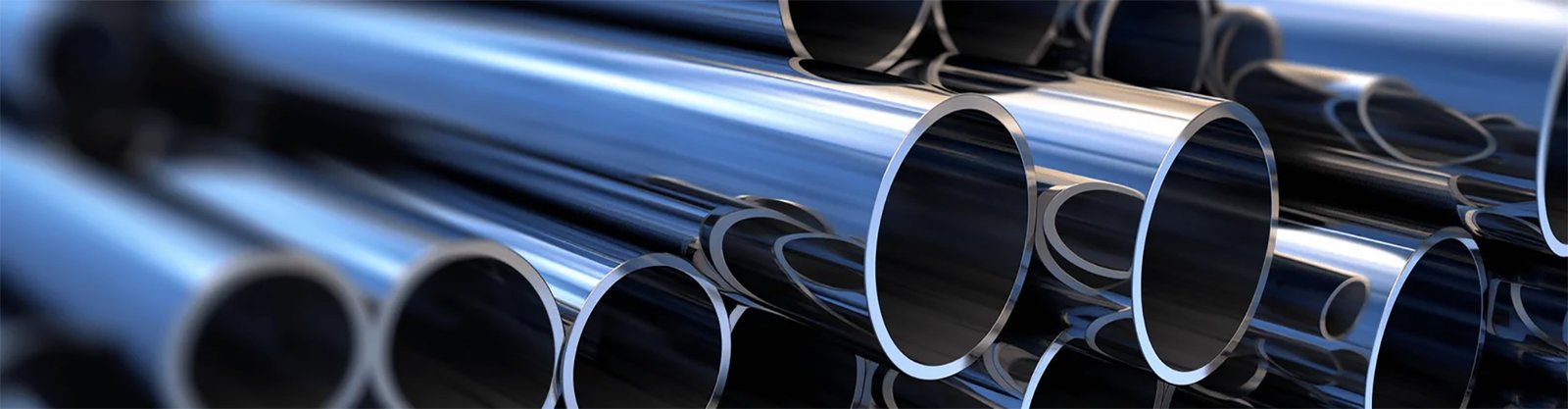
Titanium pipe is widely recognized for its unmatched combination of strength, light weight, and excellent corrosion resistance. From aerospace components to chemical processing plants and marine systems, titanium pipe plays a vital role in industries where performance and durability are non-negotiable. However, to fully unlock the potential of titanium in these demanding environments, surface finishing is crucial. Surface finishing titanium pipe: polishing & coating not only enhances its appearance but also improves functionality, longevity, and suitability for specialized applications. In this article, we explore the key techniques, benefits, and best practices of polishing and coating titanium pipe.
Why Surface Finishing Titanium Pipe Matters
Although titanium is inherently resistant to corrosion and wear, its surface condition directly influences how it performs in service. The reasons for applying surface finishes to titanium pipe include:
-
Enhanced corrosion resistance: Polishing and coating can further protect titanium in aggressive environments.
-
Reduced surface roughness: Smoother surfaces minimize the risk of biofouling, scale buildup, or contamination.
-
Improved aesthetics: Polished titanium offers a bright, clean appearance desirable in medical, architectural, and high-end industrial applications.
-
Preparation for welding or bonding: Surface preparation ensures clean joints and optimal adhesion.
-
Special functionality: Coatings can provide electrical insulation, thermal barriers, or bio-compatibility as required.
Working with trusted suppliers like sakyalloy ensures that titanium pipes are delivered with finishes that meet the exacting requirements of your application.
Titanium Pipe Polishing: Techniques and Benefits
Polishing is the process of refining the surface of titanium pipe to achieve a smooth, reflective, or matte finish, depending on requirements. It involves progressive abrasion using increasingly fine abrasives, followed by buffing or chemical treatments.
Methods of Polishing Titanium Pipe
Mechanical Polishing
Mechanical polishing involves grinding, sanding, and buffing the titanium surface using specialized abrasives and polishing compounds. Key features:
-
Progressive sanding with abrasive belts or discs, starting from coarse grit and moving to finer grit.
-
Buffing wheels with polishing pastes are used for the final luster.
-
Rotary and vibratory polishing machines assist in achieving uniform finishes, especially on curved surfaces.
Mechanical polishing is commonly used for both industrial and decorative applications.
Electrolytic Polishing (Electropolishing)
Electropolishing is a chemical-mechanical process where the titanium pipe is immersed in an electrolyte and subjected to a controlled electric current. This selectively removes surface material at a microscopic level. Benefits include:
-
Smoother surface with reduced micro-roughness
-
Enhanced corrosion resistance due to the removal of embedded contaminants
-
Bright, uniform finish
Electropolishing is especially suitable for medical, food-grade, and ultra-clean piping systems.
Chemical Polishing
Chemical polishing involves immersing titanium pipe in acid solutions that selectively dissolve high points on the surface. This method is less commonly used but can be valuable for complex geometries.
Benefits of Polishing Titanium Pipe
-
Corrosion resistance: A polished surface has fewer crevices where corrosive agents can accumulate.
-
Hygienic performance: Polished titanium pipes are easy to clean and ideal for sanitary applications.
-
Reduced fouling: Smoother surfaces discourage marine growth and scale formation.
-
Improved fatigue strength: Polishing removes surface defects that could act as initiation points for cracks under cyclic loads.
Titanium Pipe Coating: Types and Applications
While titanium naturally forms a protective oxide layer, additional coatings are applied in some cases to enhance performance for specific environments or functionalities.
Common Coating Types
Ceramic Coatings
Ceramic-based coatings such as titanium nitride (TiN) or titanium oxide (TiO2) are applied using physical vapor deposition (PVD) or chemical vapor deposition (CVD). These coatings provide:
-
Increased hardness and wear resistance
-
Improved heat resistance
-
Decorative coloration
Ceramic coatings are often used in aerospace, medical, and high-precision industrial components.
Fluoropolymer Coatings
Fluoropolymer coatings (e.g., PTFE) are applied to titanium pipe surfaces to:
-
Enhance chemical resistance
-
Provide non-stick properties
-
Improve lubricity for reduced friction
These coatings are valuable in chemical processing and food industries.
Thermal Spray Coatings
Thermal spray processes apply coatings such as aluminum, stainless steel, or composite layers to the titanium pipe for additional protection or thermal barrier properties. These coatings are typically used in marine or offshore environments where extreme conditions exist.
Anodized Coatings
Anodizing titanium creates a thicker oxide layer that can enhance corrosion resistance and provide decorative finishes. It is often used in architectural or consumer product applications.
Benefits of Coating Titanium Pipe
-
Extended service life: Coatings provide additional protection against wear, corrosion, or specific chemical attack.
-
Functional enhancement: Coatings can provide insulating properties, improve biocompatibility, or change the surface friction characteristics.
-
Aesthetic appeal: Coatings allow for colored or textured finishes for visible or decorative piping systems.
Best Practices for Surface Finishing Titanium Pipe
To achieve optimal results when polishing or coating titanium pipe, adhere to the following best practices:
Surface Preparation
Cleanliness is critical. Before any polishing or coating operation:
-
Remove oils, grease, or oxidation using chemical cleaners like acetone or alcohol.
-
Avoid touching the clean surface with bare hands to prevent contamination.
-
Where required, mechanically clean or acid-etch the surface to promote adhesion of coatings.
Controlled Environment
Perform surface finishing in clean, controlled environments to prevent contamination and ensure uniform quality.
Process Control
Whether polishing or coating, consistent process parameters (speed, pressure, temperature, voltage) are key to achieving uniform, defect-free surfaces.
Inspection and Testing
After surface finishing:
-
Inspect visually for uniformity, smoothness, and defects.
-
Use surface roughness measurements where necessary.
-
For coatings, conduct adhesion and thickness testing to confirm compliance with specifications.
Applications That Demand Surface-Finished Titanium Pipe
Surface-finished titanium pipe is essential in a wide range of industries:
-
Aerospace: Where precision, fatigue strength, and clean surfaces are essential.
-
Medical and pharmaceutical: Ultra-smooth, contaminant-free surfaces for sanitary applications.
-
Marine: Polished or coated titanium pipes reduce fouling and extend service life in seawater environments.
-
Chemical processing: Coated titanium pipes resist aggressive chemicals while maintaining structural integrity.
-
Architectural: Decorative titanium piping with anodized or polished finishes for visible installations.
The Role of sakyalloy in Surface-Finished Titanium Pipe
At sakyalloy, we understand that surface finishing is just as important as the base material in ensuring the success of your project. Our titanium pipes are manufactured to tight tolerances and are available with a variety of surface finishes to meet customer requirements — from polished, sanitary-grade pipe to coated solutions for aggressive environments.
sakyalloy works closely with clients to specify and supply titanium pipes with surface finishes tailored to their exact needs, ensuring performance, durability, and appearance that exceed expectations.
Conclusion
Surface finishing titanium pipe: polishing & coating is a critical step in preparing titanium for its demanding roles across industries. Whether the goal is to enhance corrosion resistance, improve appearance, reduce fouling, or add specialized functionality, the right surface finish makes all the difference.
By understanding the available techniques and following best practices, fabricators and engineers can ensure that titanium pipe meets the highest standards of performance and longevity. With premium materials and expert support from sakyalloy, you can be confident that your titanium piping systems will deliver exceptional results in even the most challenging environments.