

Ti-6Al-4V Titanium Bar for Aerospace Components: Buyer Guide
Introduction
For purchasing teams looking for Ti-6Al-4V Titanium Bar for Aerospace Components suppliers, the key order requirements are grade confirmation, aerospace standard compliance, bar diameter and length tolerance, heat treatment condition, mechanical properties, full material traceability, EN 10204 3.1 MTC, PMI testing, UT testing, surface finish, export packaging and realistic lead time. Ti-6Al-4V titanium bar, also known as Grade 5 titanium or UNS R56400, is widely used for aerospace components because it offers high strength-to-weight ratio, good fatigue resistance, corrosion resistance and reliable performance for machined parts, fasteners, shafts, brackets and structural components.
Ti-6Al-4V is an alpha-beta titanium alloy containing aluminum and vanadium. Compared with commercially pure titanium grades such as Grade 2, Ti-6Al-4V provides much higher tensile strength and yield strength. Compared with stainless steel and nickel alloy materials, it offers significant weight reduction while maintaining good mechanical reliability in demanding aerospace and precision engineering environments.
For aerospace-related procurement, the buyer should not only ask for “titanium bar”. The RFQ should clearly specify Ti-6Al-4V / Grade 5, the required standard such as ASTM B348, AMS 4928 or project-specific specification, the delivery condition, diameter, length, surface finish, testing scope, certificate requirement, packaging method and delivery schedule. This guide explains how to specify Ti-6Al-4V titanium bar, how to verify suppliers and what information should be included in a professional RFQ.
What Is Ti-6Al-4V Titanium Bar?
Ti-6Al-4V Titanium Bar is a high-strength titanium alloy bar made from approximately 6% aluminum and 4% vanadium, with titanium as the balance. It is one of the most widely used titanium alloys in aerospace, medical, marine, automotive, oil and gas, and high-performance industrial applications. In bar form, it is commonly machined into precision components requiring lightweight strength and corrosion resistance.
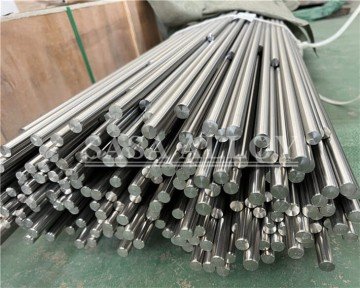
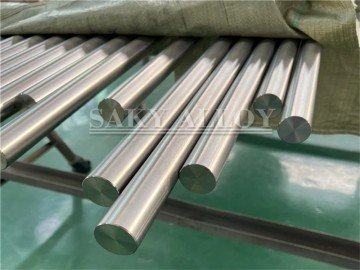
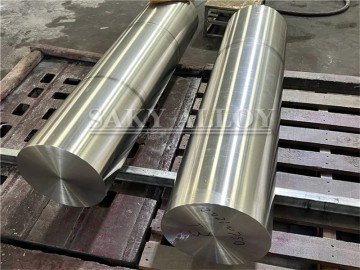
Ti-6Al-4V titanium bar is available as round bar, forged bar, flat bar, square bar, billet, precision ground bar and custom cut bar. For aerospace components, buyers often require controlled mechanical properties, strict dimensional tolerance, reliable ultrasonic testing, complete heat number traceability and professional export packaging to protect the material during transportation.
Typical Product Data for Ti-6Al-4V Titanium Bar
| Item | Details | Buyer Check |
|---|---|---|
| Material Name | Ti-6Al-4V Titanium Bar / Grade 5 Titanium Bar | Confirm Grade 5, UNS R56400 and Ti-6Al-4V on MTC and labels |
| Main Product Forms | Round bar, rod, billet, forged bar, flat bar, square bar, precision ground bar | Confirm product form, diameter, length, tolerance and machining allowance |
| Common Conditions | Annealed, solution treated, aged, forged, hot worked, stress relieved where required | Condition affects strength, toughness, machining behavior and final component performance |
| Surface Finish | Black, pickled, peeled, turned, ground, polished, bright | Aerospace machining usually prefers peeled, turned or ground surface |
| Typical Aerospace Components | Fasteners, shafts, fittings, brackets, pins, rings, connectors and precision machined parts | Confirm whether aerospace AMS standard or customer specification is required |
Chemical Composition of Ti-6Al-4V Titanium Bar
The chemical composition of Ti-6Al-4V titanium bar is designed to provide high strength, low density, good corrosion resistance and stable performance in demanding applications. Aluminum is the main alpha stabilizer, while vanadium is a beta stabilizer. Interstitial elements such as oxygen, nitrogen, carbon and hydrogen must be controlled carefully because they affect strength, ductility and toughness.
| Element | Typical Requirement | Function / Procurement Check |
|---|---|---|
| Titanium (Ti) | Balance | Base metal providing low density, corrosion resistance and high strength-to-weight ratio |
| Aluminum (Al) | 5.50 – 6.75% | Key alpha stabilizer and strengthening element |
| Vanadium (V) | 3.50 – 4.50% | Improves beta phase stability and mechanical strength |
| Iron (Fe) | Max 0.40% | Controlled residual element affecting strength, toughness and consistency |
| Oxygen (O) | Max 0.20% | Higher oxygen increases strength but may reduce ductility and toughness |
| Carbon (C) | Max 0.08% | Controlled interstitial element for stable mechanical performance |
| Nitrogen (N) | Max 0.05% | Should be controlled to maintain ductility and fatigue performance |
| Hydrogen (H) | Max 0.015% | Strict control helps reduce hydrogen embrittlement risk |
Mechanical Properties of Ti-6Al-4V Titanium Bar
Ti-6Al-4V titanium bar is selected for aerospace components because it provides high tensile strength, high yield strength, good fatigue resistance and excellent strength-to-weight ratio. Mechanical properties vary depending on product diameter, condition, heat treatment, production process and specification. Buyers should check actual test values on the material certificate before production release.
| Property | Typical Reference | Aerospace Buyer Note |
|---|---|---|
| Tensile Strength | High strength, commonly around 895 MPa minimum depending on standard and condition | Important for brackets, fittings, shafts and load-bearing aerospace components |
| Yield Strength | Much higher than commercially pure titanium grades | Critical for fasteners, pins and high-load machined parts |
| Elongation | Moderate ductility compared with commercially pure titanium | Confirm if forming or impact performance is important |
| Fatigue Resistance | Good for high-performance aerospace components when properly processed | Final machining, surface finish and stress concentration affect fatigue life |
| Hardness | Higher than Grade 2 titanium | May increase machining difficulty; confirm tooling and cutting allowance |
| Density | Approx. 4.43 g/cm³ | Useful for lightweight design and aerospace weight reduction |
Applicable Standards and Equivalent Grades
Ti-6Al-4V titanium bar can be supplied under several standards depending on the industry and final application. Aerospace buyers often require AMS specifications, while industrial buyers may use ASTM B348 or EN references. The standard must be confirmed before quotation because it affects chemical limits, mechanical requirements, testing scope, documentation and price.
| Standard / Grade | Description | Common Procurement Use |
|---|---|---|
| UNS R56400 | UNS designation for Ti-6Al-4V Grade 5 titanium alloy | Material identity and MTC verification |
| ASTM B348 Grade 5 | Titanium and titanium alloy bars and billets | Round bar, rod, billet and forging stock for industrial and aerospace-related machining |
| AMS 4928 | Common aerospace specification for Ti-6Al-4V bar, wire, forgings and rings depending on product requirement | Aerospace components requiring AMS compliance and stricter documentation |
| EN 3.7165 | European material number for Ti-6Al-4V | European drawings, engineering projects and material comparison |
| Ti-6Al-4V / Grade 5 | Common commercial and engineering grade name | Supplier quotation, product label and technical communication |
| GB TC4 | Chinese grade reference for Ti-6Al-4V-type titanium alloy | China-origin titanium supply and export documentation |
Selection Checklist and RFQ Fields for Purchasing Teams
A complete RFQ helps suppliers quote quickly and accurately. For Ti-6Al-4V titanium bar used in aerospace components, buyers should provide the standard, condition, size, tolerance, surface finish, testing and packaging requirements clearly. Missing information may cause quotation delays or incorrect material supply.
Recommended RFQ Fields
| RFQ Field | What to Specify | Why It Matters |
|---|---|---|
| Grade | Ti-6Al-4V / Grade 5 / UNS R56400 | Avoids confusion with Grade 2, Grade 23 or other titanium grades |
| Standard | ASTM B348, AMS 4928, EN 3.7165 or customer drawing | Determines certificate, inspection and acceptance requirements |
| Size | Diameter, length, tolerance, straightness and cut length | Important for machining yield and final component accuracy |
| Condition | Annealed, forged, hot worked, stress relieved or customer-specified condition | Condition affects mechanical properties and machining behavior |
| Surface Finish | Black, pickled, peeled, turned, ground, polished or bright | Controls machining allowance and surface quality |
| Certificate | EN 10204 3.1 MTC, AMS compliance, third-party inspection if required | Supports inspection, traceability and aerospace procurement approval |
| Quantity and Delivery Term | Pieces, meters, kilograms, FOB, CIF, FCA or other shipping terms | Affects price, packing, freight and lead time |
Quality Testing and Material Traceability
For aerospace component raw materials, traceability is essential. Ti-6Al-4V titanium bar should be supplied with matching heat number information on the bar marking, labels, packing list and EN 10204 3.1 MTC. Buyers should confirm chemical analysis, mechanical test results, dimensional inspection, UT testing and PMI testing when required by specification or internal quality procedures.
Supplier Verification and Inspection Checklist
| Inspection / Document Item | What to Check | Why It Matters |
|---|---|---|
| EN 10204 3.1 MTC | Grade, UNS number, standard, heat number, chemical composition, mechanical properties and size | Confirms batch-specific quality and supports aerospace documentation |
| Heat Number Control | Heat number on bar, label, packing list and MTC must match | Prevents mixed material and supports full material traceability |
| PMI Testing | Verify Ti base and alloying elements such as Al and V | Helps confirm correct Ti-6Al-4V material and avoid wrong-grade supply |
| UT Testing | Check internal soundness for bars and billets where required | Important for aerospace components, shafts, fasteners and precision machined parts |
| Dimensional Inspection | Diameter, length, straightness, tolerance, roundness and cut end quality | Ensures machining and component production requirements are met |
| Surface Inspection | Check scratches, cracks, pits, oxidation, peeling marks and grinding defects | Important for fatigue-sensitive aerospace machining applications |
| Third-party Inspection | SGS, BV, TUV, Intertek or customer-appointed inspection before shipment | Provides additional confidence for export orders and critical projects |
Comparison With Similar Titanium Materials
Ti-6Al-4V titanium bar is often compared with Grade 2, Grade 23, Grade 9 and other titanium alloys. The best choice depends on required strength, corrosion resistance, biocompatibility, toughness, fatigue performance, standard compliance and cost target.
| Material | Strength | Corrosion Resistance | Cost Level | Best-use Recommendation |
|---|---|---|---|---|
| Grade 2 Titanium | Medium for commercially pure titanium | Excellent | Usually lower than Grade 5 | Chemical processing, heat exchangers, marine equipment and welded parts |
| Grade 5 Ti-6Al-4V | High | Good | Higher than commercially pure titanium | Aerospace components, fasteners, shafts, brackets and precision machined parts |
| Grade 23 Ti-6Al-4V ELI | High | Good | High | Medical implants and high-toughness applications requiring ELI control |
| Grade 9 Ti-3Al-2.5V | Medium to high | Good | Moderate to high | Tubing, hydraulic systems, lightweight structures and sports components |
Industrial Applications of Ti-6Al-4V Titanium Bar
Ti-6Al-4V titanium bar is a preferred raw material for aerospace components and high-performance industrial parts. It is especially useful when the design requires high strength, low weight, corrosion resistance and reliable fatigue performance.
| Industry / Application | Typical Components | Why Ti-6Al-4V Is Used |
|---|---|---|
| Aerospace | Fasteners, shafts, fittings, brackets, pins, rings and precision machined parts | High strength-to-weight ratio and fatigue resistance |
| Defense and Aviation Equipment | Structural connectors, lightweight housings, rods and high-strength components | Reliable performance under high load and weight-sensitive design conditions |
| Medical and Precision Machining | Instrument parts, rods, screws and CNC machined components | High strength, corrosion resistance and good biocompatibility; implants may require Grade 23 |
| Marine Engineering | Bolts, shafts, pump components, connectors and high-strength marine hardware | Good corrosion resistance and higher strength than commercially pure titanium |
| Motorsport and High-performance Equipment | Bolts, shafts, rods, spacers, connectors and lightweight machined parts | Excellent lightweight strength and machining performance |
| Industrial Machinery | Shafts, pins, support rods, high-strength blocks and custom components | High strength, corrosion resistance and long service life in demanding applications |
Why Choose Ti-6Al-4V Titanium Bar for Aerospace Components?
Ti-6Al-4V titanium bar is chosen for aerospace components because it provides a strong combination of mechanical strength, low density, corrosion resistance, fatigue resistance and proven industry use. It can reduce component weight compared with steel while maintaining high performance under load.
Selection Checklist for Buyers
| Checklist Item | Recommended Action |
|---|---|
| Confirm Grade | Specify Ti-6Al-4V / Grade 5 / UNS R56400 clearly |
| Confirm Standard | State ASTM B348, AMS 4928, EN 3.7165 or project-specific standard |
| Check MTC and Heat Number | Request EN 10204 3.1 MTC and matching heat number labels |
| Confirm Size and Tolerance | Define diameter, length, straightness, roundness and cut tolerance |
| Confirm Testing | Request PMI, UT, mechanical testing and third-party inspection if required |
| Confirm Packaging and Lead Time | Ask for export packing, marking method, stock status and realistic delivery schedule |
Common Buyer Mistakes
Common mistakes include ordering “titanium bar” without specifying Grade 5, using industrial ASTM B348 when AMS material is required, accepting incomplete MTC documents, ignoring UT requirements, not confirming surface finish, and assuming Grade 5 is the same as Grade 23 for implant applications. Aerospace purchasing teams should confirm all specification details before ordering.
Packaging, Lead Time and Export Delivery
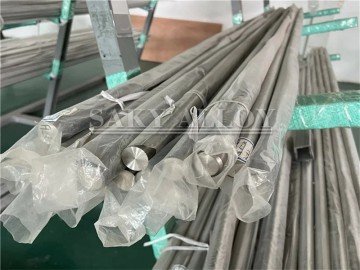
Ti-6Al-4V titanium bars should be packed to prevent scratches, dents, oxidation, contamination and deformation. Common export packaging includes plastic wrapping, waterproof paper, wooden cases, wooden pallets, bundled bars, end protection and clear labels showing grade, standard, heat number, size and quantity.
Lead time depends on grade, standard, diameter, quantity, condition, surface finish, testing scope and stock availability. Standard sizes may be available faster, while AMS-specified material, large diameter bars, precision ground bars or third-party inspection orders may require additional production and inspection time.
Related Titanium Products
SAKY ALLOY supplies Ti-6Al-4V titanium bar and related titanium products for aerospace, medical, marine, chemical processing, oil and gas, industrial machinery and precision machining applications. Buyers can select product forms according to drawings, standards and final component requirements.
| Product | Common Grades | Typical Use |
|---|---|---|
| Titanium Bar | Grade 1, Grade 2, Grade 5, Grade 7, Grade 9, Grade 23 | Aerospace components, shafts, fasteners, CNC parts, valve parts and medical-related components |
| Titanium Plate | Grade 1, Grade 2, Grade 5, Grade 7, Grade 12 | Aerospace plates, chemical equipment, marine plates and industrial structures |
| Titanium Pipe and Tube | Grade 1, Grade 2, Grade 7, Grade 9, Grade 12 | Heat exchangers, condensers, chemical piping, marine systems and process equipment |
| Titanium Wire | Grade 1, Grade 2, Grade 5, Grade 23 | Medical wire, welding wire, springs, mesh, fasteners and precision wire products |
| Titanium Forging | Grade 2, Grade 5, Grade 23 and project-specific grades | Forged rings, discs, blocks, shafts and high-strength aerospace custom components |
FAQ About Ti-6Al-4V Titanium Bar for Aerospace Components
1. What is Ti-6Al-4V titanium bar used for in aerospace?
Ti-6Al-4V titanium bar is used for aerospace fasteners, shafts, brackets, pins, fittings, rings, structural connectors and precision machined parts. It is selected because it offers high strength-to-weight ratio, good fatigue resistance and corrosion resistance.
2. Is Ti-6Al-4V the same as Grade 5 titanium?
Yes, Ti-6Al-4V is commonly known as Grade 5 titanium and is identified as UNS R56400. Buyers should confirm the exact standard, such as ASTM B348 or AMS 4928, because standard requirements can differ by application.
3. What standard should aerospace buyers request?
Aerospace buyers often request AMS specifications such as AMS 4928, depending on product form and project requirements. ASTM B348 Grade 5 is also widely used for titanium bars and billets. The correct standard should match the drawing or purchase specification.
4. What certificate should be supplied?
Buyers should request EN 10204 3.1 MTC showing grade, UNS number, standard, heat number, chemical composition, mechanical properties, size and delivery condition. For aerospace projects, AMS compliance, UT testing and third-party inspection may also be required.
5. Can Ti-6Al-4V titanium bar be welded?
Ti-6Al-4V can be welded with proper procedures, shielding and contamination control, but it is generally more demanding than commercially pure titanium. For aerospace components, welding should follow qualified procedures and project-specific requirements.
6. What information is needed for a fast quotation?
A complete RFQ should include grade, standard, diameter, length, quantity, tolerance, surface finish, condition, testing requirement, certificate requirement, destination port and packing requirement. For example: AMS 4928 Ti-6Al-4V titanium round bar, diameter 25 mm, length 3000 mm, peeled surface, EN 10204 3.1 MTC and UT testing required.
Conclusion
Ti-6Al-4V Titanium Bar is one of the most important titanium materials for aerospace components because it combines high strength, low density, good fatigue resistance and corrosion resistance. It is widely used for fasteners, shafts, brackets, fittings, pins, rings and precision machined aerospace parts.
For successful procurement, purchasing teams should confirm Grade 5 / UNS R56400, applicable ASTM or AMS standard, bar size, tolerance, surface finish, condition, EN 10204 3.1 MTC, heat number control, PMI testing, UT testing, dimensional inspection, packaging and delivery schedule. A professional titanium supplier should help buyers verify specifications, provide complete documentation and support stable delivery for aerospace component manufacturing.
Call To Action
Contact SAKY ALLOY for Ti-6Al-4V Titanium Bar, Grade 5 titanium round bar, AMS titanium bar, ASTM B348 Titanium Bar, titanium plate, titanium pipe, titanium wire, titanium forging and customized titanium alloy products. We can support EN 10204 3.1 MTC, PMI testing, UT testing, customized sizes, surface finish, third-party inspection, export packaging and delivery support.
Send your required grade, standard, diameter, length, quantity, surface condition and certificate requirements to our technical team. We can help you confirm Ti-6Al-4V titanium bar specifications, prepare quotation and arrange suitable titanium material supply solutions for your aerospace component project.