
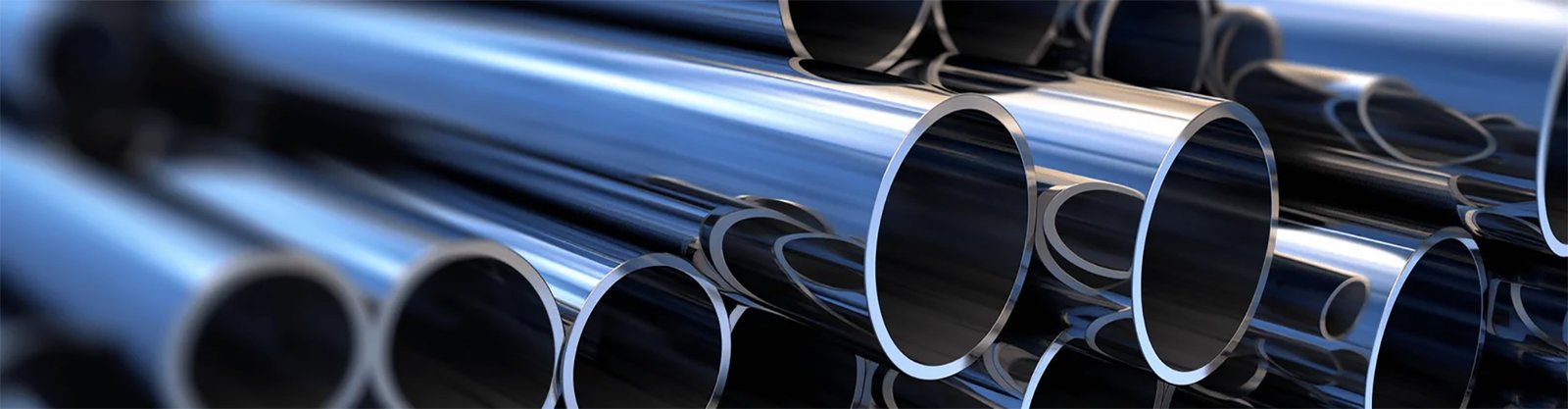
Titanium Alloy: The Invisible Backbone Of The Aviation Industry
When we look at airplanes soaring through the skies, we often think about engines, wings, or advanced avionics. What remains hidden beneath the surface is the material science that makes modern aviation possible. Among all advanced materials, titanium alloy has earned the title of the invisible backbone of the aviation industry. With its unmatched combination of strength, lightness, corrosion resistance, and high-temperature performance, titanium alloys have become indispensable in aerospace engineering.
This article explores the critical role titanium alloys play in aviation, their unique properties, applications in aircraft structures and engines, and their future in next-generation aerospace technologies.
Why Titanium Alloys Are Essential in Aviation
The aviation industry constantly seeks materials that can withstand extreme conditions while minimizing weight. Titanium alloys provide a solution to this challenge with the following advantages:
-
High Strength-to-Weight Ratio
Titanium alloys are as strong as many steels but 45 percent lighter. This strength-to-weight ratio makes them ideal for both structural and engine applications. -
Corrosion Resistance
Exposure to moisture, salt air, and chemicals can rapidly degrade metals. Titanium’s natural oxide film makes it resistant to corrosion, reducing maintenance costs and extending aircraft life. -
Heat Resistance
Titanium retains its mechanical properties at temperatures up to 600°C, making it suitable for jet engine components and high-temperature zones. -
Fatigue and Fracture Resistance
Aircraft endure continuous cycles of stress. Titanium alloys resist fatigue and fracture, ensuring long-term safety and reliability. -
Compatibility with Composites
Modern aircraft rely heavily on composite materials. Titanium’s thermal expansion rate is compatible with composites, preventing structural mismatches.
Types of Titanium Alloys Used in Aviation
Titanium alloys are classified into three main categories:
1. Alpha Alloys
-
Contain elements such as aluminum and oxygen.
-
Excellent corrosion resistance and weldability.
-
Used in airframes and applications requiring formability.
2. Beta Alloys
-
Alloyed with vanadium, molybdenum, or chromium.
-
Higher strength but less corrosion resistance.
-
Applied in landing gear components and high-strength structures.
3. Alpha-Beta Alloys
-
The most common aerospace alloys, such as Ti-6Al-4V.
-
Balance of strength, toughness, and corrosion resistance.
-
Widely used in both engine and airframe applications.
Applications of Titanium Alloys in Aircraft
Airframe Structures
Titanium alloys are used extensively in the fuselage, wings, and landing gear. In modern aircraft like the Boeing 787 Dreamliner and Airbus A350, titanium makes up around 15 percent of the structural weight.
Jet Engines
From compressor blades and discs to casings and fasteners, titanium alloys dominate jet engine components. Their ability to withstand high stress and temperature makes them vital for engine reliability.
Landing Gear
Landing gear absorbs enormous impact loads during takeoff and landing. Titanium alloys provide the necessary strength without adding excessive weight.
Fasteners and Bolts
Aircraft require thousands of fasteners. Titanium fasteners are lightweight, strong, and corrosion-resistant, contributing to overall performance and durability.
Military Aircraft
In fighter jets such as the F-22 Raptor, titanium accounts for nearly 40 percent of the structural weight, highlighting its importance in high-performance defense aviation.
Benefits for the Aviation Industry
-
Fuel Efficiency
Weight reduction directly translates into lower fuel consumption. Airlines save millions in fuel costs thanks to titanium’s lightweight properties. -
Extended Aircraft Life
Titanium’s corrosion resistance means fewer repairs and longer service intervals. -
Safety and Reliability
By resisting fatigue and maintaining strength at high temperatures, titanium ensures passenger and crew safety. -
Environmental Impact
Improved fuel efficiency reduces carbon emissions, supporting global sustainability goals.
Challenges in Using Titanium Alloys
Despite their benefits, titanium alloys present certain challenges:
-
High Cost: Titanium is more expensive than aluminum or steel, both in raw material and processing.
-
Difficult Machining: Specialized tools and techniques are needed due to titanium’s hardness and reactivity.
-
Supply Limitations: Global titanium supply chains are sensitive to mining and processing constraints.
Future of Titanium in Aviation
The demand for titanium alloys in aviation is expected to rise as the industry pushes for lighter, more fuel-efficient, and environmentally friendly aircraft. Key trends include:
-
Additive Manufacturing (3D Printing)
Titanium alloy 3D printing reduces material waste and allows complex part production, accelerating adoption. -
Next-Generation Jet Engines
Future engines with higher operating temperatures will require advanced titanium alloys with enhanced heat resistance. -
Increased Role in Electric Aviation
Lightweight titanium alloys will be critical in developing electric and hybrid aircraft, balancing performance with battery limitations. -
Recycling Initiatives
Recycled titanium is gaining traction as industries aim to cut costs and improve sustainability.
Manufacturers such as sakyalloy are leading the way by supplying advanced titanium alloy products that meet stringent aerospace standards, ensuring both performance and reliability.
Case Study: Boeing 787 Dreamliner
The Boeing 787 Dreamliner is a prime example of titanium’s role in aviation. Around 15 percent of its total weight comes from titanium, used in engines, fasteners, landing gear, and structural components. The result is a lighter aircraft with improved fuel efficiency and reduced operating costs, proving titanium’s value in commercial aviation.
Conclusion
Titanium alloys truly are the invisible backbone of the aviation industry. Their unique combination of strength, lightweight properties, corrosion resistance, and heat tolerance makes them indispensable for both commercial and military aircraft. While challenges such as cost and machining remain, advancements in additive manufacturing, recycling, and alloy development are ensuring titanium’s continued growth in aerospace applications.
As the industry transitions toward more sustainable and advanced designs, titanium alloys will remain at the core of innovation. Companies like sakyalloy continue to provide high-quality titanium materials that empower the aviation sector to reach new heights in performance, safety, and efficiency.