
Titanium Bar Applications in Cleanroom Equipment
Cleanroom environments demand strict control over contamination, air quality, and hygiene. Industries such as pharmaceuticals, biotechnology, semiconductor manufacturing, aerospace, and medical device production rely on specialized equipment that meets high cleanliness and durability standards. One material that has proven invaluable in the construction of cleanroom equipment is titanium.
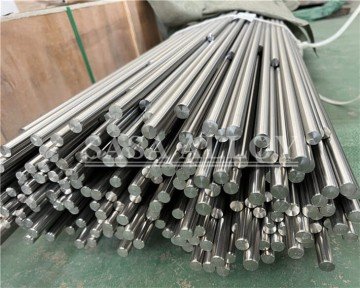
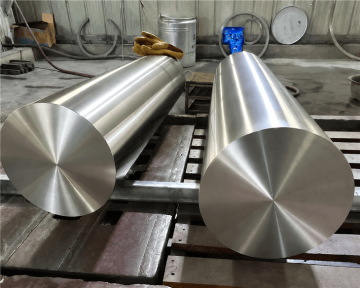
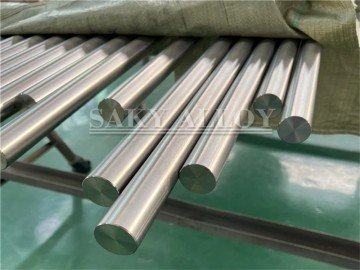
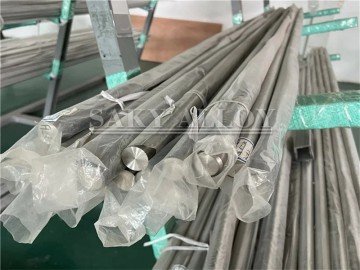
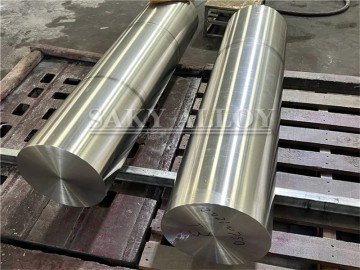
Titanium bars, with their exceptional combination of strength, corrosion resistance, and biocompatibility, play a critical role in manufacturing equipment for cleanrooms. This article explores why titanium is so well-suited for cleanroom use, the specific equipment where titanium bars are applied, and the advantages they offer to cleanroom operations.
Why Titanium is Ideal for Cleanroom Equipment
1. Corrosion Resistance
Titanium’s ability to form a stable oxide film on its surface protects it from corrosion in most cleanroom environments. This is particularly important where equipment comes into contact with cleaning agents, sterilizing chemicals, or moisture.
2. Non-Contaminating Properties
In cleanroom operations, material contamination can compromise entire production batches. Titanium does not shed particles, oxidize easily, or leach harmful substances, making it a safe choice for sensitive manufacturing environments.
3. Strength-to-Weight Ratio
Titanium bars are strong yet lightweight, making it easier to fabricate sturdy, ergonomic cleanroom equipment without excessive mass.
4. Biocompatibility
For industries like pharmaceuticals and medical devices, titanium’s biocompatibility ensures it can safely be used in environments with direct or indirect contact with products.
5. Durability and Longevity
Cleanroom equipment must withstand repeated cleaning, sterilization, and operational stress. Titanium retains its properties over long service periods, reducing replacement costs.
Common Applications of Titanium Bars in Cleanroom Equipment
1. Workbenches and Tables
Titanium bars are used to construct frames for cleanroom workbenches. Their corrosion resistance and smooth surface make them ideal for areas requiring frequent cleaning and disinfection.
2. Shelving and Storage Racks
Storage systems in cleanrooms benefit from titanium’s non-reactive nature, ensuring stored items remain free from contamination. Titanium’s strength also supports heavy loads without bending.
3. Support Frames for Machinery
Many pieces of cleanroom processing equipment use titanium bar frames to provide a stable and vibration-resistant base.
4. Cleanroom Seating Structures
Titanium’s durability ensures chairs and stools used in cleanrooms remain stable and rust-free, even under continuous use.
5. Equipment Housings and Enclosures
Titanium bars can form the skeletal structure for enclosed systems, protecting sensitive processes from airborne particles.
6. Piping and Fluid Handling Systems
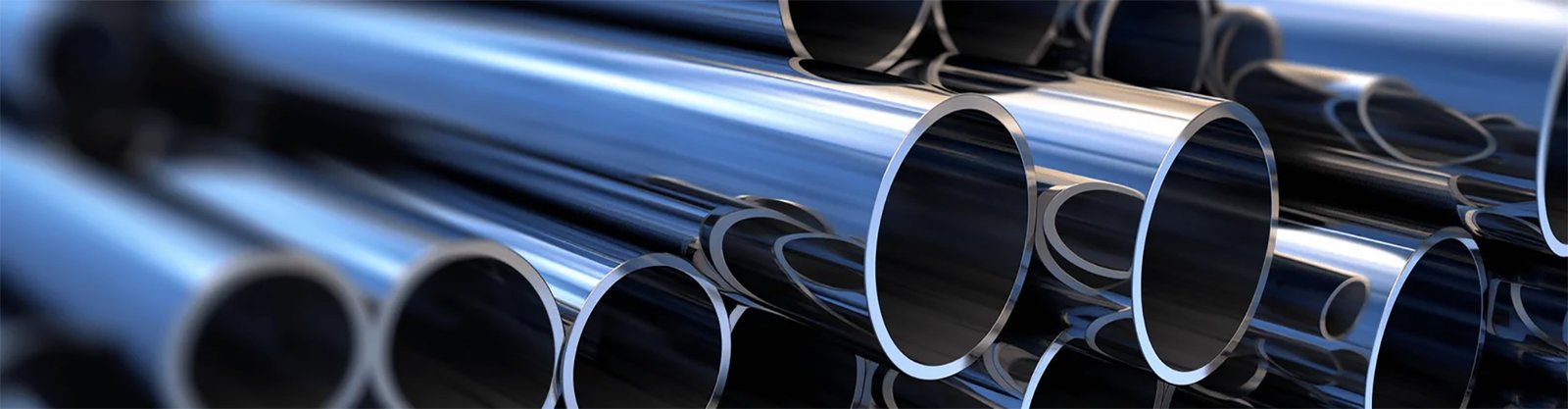
In cleanroom environments that involve fluid transfer, titanium piping systems resist corrosion from pure water, chemical solutions, and sterilizing agents.
7. Semiconductor Production Fixtures
Titanium’s resistance to outgassing and chemical attack makes it ideal for fixtures and tools used in semiconductor fabrication.
Advantages of Using Titanium Bars in Cleanroom Equipment
Reduced Maintenance
Titanium’s resistance to wear and corrosion reduces the frequency and cost of maintenance.
Long-Term Cost Efficiency
Although titanium has a higher upfront cost, its durability and extended lifespan lower total lifecycle expenses.
Compliance with Cleanroom Standards
Titanium equipment can be designed to meet ISO and GMP cleanroom classifications, ensuring compliance with industry regulations.
Improved Hygiene
Smooth, non-porous titanium surfaces are easy to clean, minimizing the risk of bacterial growth or particulate accumulation.
Key Considerations When Using Titanium in Cleanroom Equipment
-
Surface Finish – Polished surfaces further enhance titanium’s cleanability and resistance to contamination.
-
Welding and Fabrication – Specialized techniques are required to maintain titanium’s properties during fabrication.
-
Design for Cleaning – Avoid crevices and joints that could trap particles or fluids.
-
Chemical Compatibility – While titanium resists most chemicals, certain strong acids like hydrofluoric acid require caution.
Industries Benefiting from Titanium Cleanroom Equipment
Pharmaceutical Manufacturing
From mixing tanks to laboratory benches, titanium ensures sterile, contamination-free environments.
Biotechnology
In biotech labs, titanium frames and fixtures maintain structural stability under strict cleanroom protocols.
Semiconductor Industry
Titanium’s non-magnetic and corrosion-resistant properties make it suitable for semiconductor wafer handling systems.
Medical Device Production
Cleanroom-grade titanium equipment ensures the safety and sterility of surgical instruments, implants, and diagnostic tools.
Aerospace
Titanium components in cleanrooms for aerospace applications handle precision assembly and testing with minimal contamination risk.
Maintenance and Longevity in Cleanroom Operations
To maximize the service life of titanium cleanroom equipment:
-
Regular Cleaning – Use approved cleanroom cleaning agents that are compatible with titanium.
-
Scheduled Inspections – Check for wear or damage, particularly at joints and welds.
-
Polishing – Maintain smooth finishes to prevent particle adhesion.
-
Proper Storage – Store unused titanium equipment in contamination-controlled areas.
The Role of Trusted Suppliers
The performance of titanium bars in cleanroom equipment depends on the quality of the raw material and fabrication. Working with experienced suppliers like sakyalloy ensures that titanium bars meet international standards, are free from impurities, and are manufactured with precision. sakyalloy provides titanium solutions tailored to the specific needs of cleanroom applications, offering both standard and custom options for different industries.
Conclusion
Titanium bars are a perfect match for cleanroom equipment requirements, offering unmatched corrosion resistance, cleanliness, durability, and safety. Their use in workbenches, shelving, machinery frames, and fluid handling systems ensures reliable operation in contamination-sensitive environments. By combining high-quality materials with thoughtful design and proper maintenance, cleanroom facilities can maximize efficiency, comply with strict standards, and ensure product integrity.