
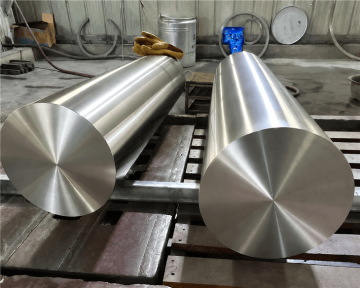
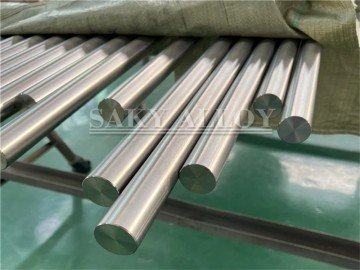
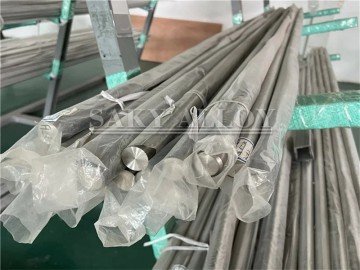
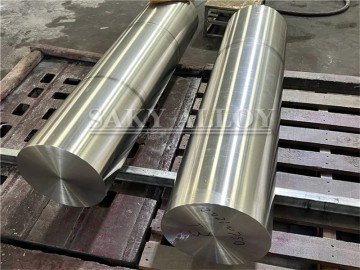
Titanium Bar for Carbon-Neutral Building Projects
The construction industry is undergoing a significant transformation, driven by the urgent need to reduce carbon emissions and achieve sustainability targets. One of the emerging materials contributing to this shift is the titanium bar. Known for its exceptional durability, corrosion resistance, and recyclability, titanium is increasingly being considered for carbon-neutral building projects.
This article explores why titanium bars are becoming a viable option for sustainable architecture, how they contribute to carbon neutrality, and the role they can play in future green building initiatives.
Understanding Carbon-Neutral Building Projects
A carbon-neutral building project aims to eliminate or offset the carbon emissions generated throughout the building’s lifecycle—from material production to construction, operation, and eventual demolition. Achieving this requires:
-
Use of low-carbon or carbon-neutral materials
-
Energy-efficient building design and operation
-
Incorporation of renewable energy sources
-
Responsible end-of-life recycling and waste management
Materials play a central role in these projects, making the choice of structural and functional components critical for long-term sustainability.
Why Titanium Bars?
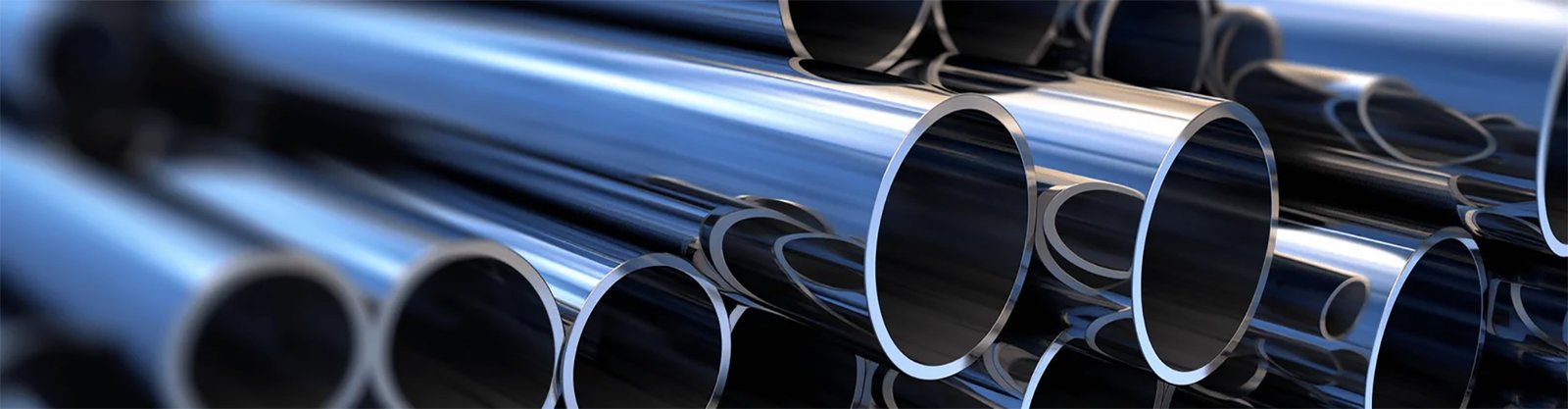
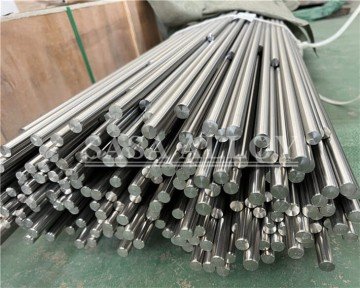
Titanium bars are solid metal rods made from pure titanium or titanium alloys. While traditionally associated with aerospace, medical, and marine industries, titanium is gaining traction in sustainable construction for several reasons:
-
Exceptional Durability – Titanium’s corrosion resistance ensures a much longer service life than traditional materials, reducing the need for replacement.
-
Lightweight Yet Strong – Lower weight reduces transport-related carbon emissions while maintaining high structural performance.
-
100% Recyclable – Titanium can be recycled indefinitely without losing its properties, aligning with circular economy principles.
-
Low Maintenance – Reduced need for coatings, treatments, and replacements means fewer emissions over time.
Environmental Advantages of Titanium Bars
1. Long Service Life Reducing Embodied Carbon
Embodied carbon refers to the total greenhouse gases emitted during a material’s lifecycle. Titanium’s exceptional lifespan reduces the frequency of replacement, lowering total emissions over decades.
2. Recyclability and Reuse
Unlike some materials that degrade after recycling, titanium maintains its mechanical properties. This makes it an ideal candidate for reuse in new construction projects without loss of quality.
3. Lower Maintenance Requirements
Many building materials require periodic repainting, anti-corrosion treatments, or structural reinforcement, all of which generate emissions. Titanium’s corrosion resistance minimizes these interventions.
4. Lightweight Reducing Transportation Emissions
Because titanium is lighter than steel for equivalent strength, transporting it to construction sites requires less fuel, helping reduce the carbon footprint.
Applications of Titanium Bars in Carbon-Neutral Buildings
1. Structural Frameworks
Titanium bars can be used in key structural elements, especially in environments where corrosion is a concern, such as coastal buildings.
2. Facade Support Systems
For curtain walls and glass facades, titanium offers both strength and a sleek, modern aesthetic.
3. Roof and Canopy Structures
Lightweight yet strong, titanium bars are suitable for large-span roofs in stadiums and public spaces.
4. Reinforcement for Sustainable Bridges
Titanium reinforcement bars in bridges extend service life and reduce the need for carbon-intensive repairs.
5. Renewable Energy Installations
Titanium bar frameworks for solar panels or wind turbine mounts offer weather-resistant, long-lasting solutions.
Titanium vs Other Building Materials in Sustainability
| Property | Titanium Bar | Stainless Steel | Aluminum | Concrete |
|---|---|---|---|---|
| Durability | Excellent | Very Good | Good | Moderate |
| Corrosion Resistance | Excellent | Very Good | Good | Low |
| Recyclability | Excellent | Excellent | Excellent | Limited |
| Strength-to-Weight Ratio | Excellent | Good | Very Good | Poor |
| Maintenance Requirements | Low | Moderate | Moderate | High |
| Carbon Impact Over Lifecycle | Low | Moderate | Moderate | High |
Overcoming Challenges in Using Titanium Bars
While titanium offers many sustainability benefits, it does face some challenges in the construction sector:
-
High Initial Cost – Titanium’s higher upfront cost compared to steel or aluminum can be a barrier.
-
Specialized Fabrication – Working with titanium requires skilled labor and specialized equipment.
-
Limited Market Availability – Not all regions have easy access to titanium products for construction.
However, when evaluated over the full building lifecycle, titanium often proves more cost-effective due to reduced maintenance, replacements, and environmental impact.
Case Studies of Titanium in Sustainable Architecture
Case Study 1 – Coastal Eco-Resort
An eco-resort in Southeast Asia used titanium bars for structural supports exposed to saltwater spray. The result was a corrosion-free performance for over 20 years, eliminating the need for replacements that would have contributed to carbon emissions.
Case Study 2 – Net-Zero Office Tower
A net-zero building project integrated titanium bars into its facade support structure. This reduced maintenance cycles and allowed the project to achieve long-term sustainability goals.
Contribution to Green Building Certifications
Titanium bars can help projects earn points under green building certification systems such as:
-
LEED (Leadership in Energy and Environmental Design) – For material durability, recyclability, and lifecycle impact reduction.
-
BREEAM (Building Research Establishment Environmental Assessment Method) – For sustainable sourcing and reduced maintenance requirements.
-
WELL Building Standard – For using safe, non-toxic materials in spaces where people spend significant time.
The Role of Suppliers in Sustainable Titanium Solutions
Working with experienced titanium suppliers is crucial. Companies like sakyalloy provide construction-grade titanium bars that meet strict environmental and quality standards, ensuring compatibility with carbon-neutral design principles.
The Future of Titanium in Carbon-Neutral Construction
As carbon reduction targets tighten globally, the demand for materials that last longer, perform better, and have a smaller environmental footprint will continue to grow. Innovations such as titanium alloy optimization, hybrid designs combining titanium with recycled composites, and improved recycling infrastructure will further strengthen titanium’s role in sustainable construction.
Conclusion
Titanium bars are an exceptional material choice for carbon-neutral building projects due to their long service life, corrosion resistance, recyclability, and ability to reduce maintenance-related emissions. While the initial cost may be higher, the long-term environmental and performance benefits make titanium a strategic investment in sustainable architecture.
As more architects, engineers, and developers focus on meeting carbon-neutral goals, titanium will likely become a staple in high-performance, eco-friendly building designs. Partnering with reliable suppliers like sakyalloy ensures access to high-quality titanium bars tailored for sustainable applications, helping the construction industry move toward a greener future.