
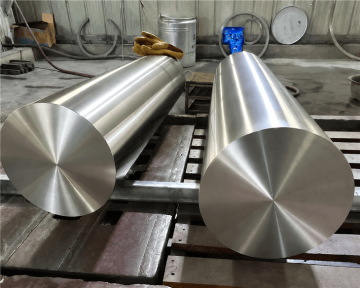
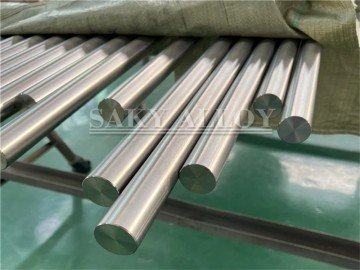
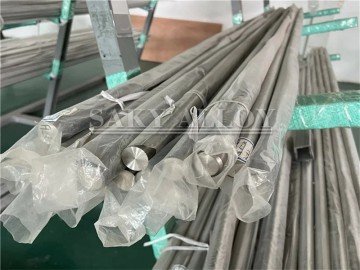
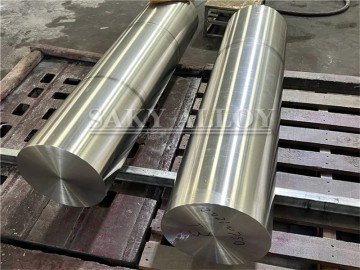
Titanium Bar in Experimental Aircraft Design
Experimental aircraft design is one of the most challenging and exciting areas in aviation engineering. These aircraft push the limits of aerodynamics, propulsion, and materials technology, often serving as testbeds for innovations that will eventually make their way into commercial and military aviation. Among the materials being used, titanium bars have emerged as a crucial component thanks to their unmatched combination of strength, corrosion resistance, and lightweight properties.
This article explores the role of titanium bars in experimental aircraft, their performance benefits, specific applications, and how they are helping engineers shape the future of aviation.
Understanding Experimental Aircraft
Experimental aircraft are not mass-produced commercial airliners but unique prototypes or custom-built designs created for testing new technologies. They may be developed by aerospace companies, research institutions, or even individual engineers. Key goals for these aircraft often include:
-
Improving fuel efficiency through aerodynamic innovations
-
Testing advanced propulsion systems
-
Reducing aircraft weight without compromising safety
-
Enhancing durability in extreme operating conditions
To achieve these goals, material selection is critical — and titanium bars are proving to be a superior choice for many structural and mechanical applications.
Why Titanium Bars Are Chosen for Aircraft Design
1. High Strength-to-Weight Ratio
Titanium offers the strength of high-grade steel but weighs approximately 45% less. This allows engineers to create stronger components while reducing overall aircraft mass, which directly improves fuel efficiency and maneuverability.
2. Corrosion Resistance
Aircraft face constant exposure to moisture, temperature changes, and in some cases, salt-laden environments. Titanium naturally resists corrosion, making it ideal for parts that must withstand decades of service.
3. Heat Resistance
In experimental aircraft that test high-speed flight regimes, temperatures can soar due to aerodynamic heating. Titanium maintains structural integrity at temperatures exceeding 400°C, making it suitable for engine and airframe components exposed to intense heat.
4. Fatigue Resistance
Aircraft structures endure repeated stress cycles during flight. Titanium bars exhibit excellent fatigue resistance, ensuring long-lasting performance in both static and dynamic load conditions.
Applications of Titanium Bars in Experimental Aircraft
1. Airframe Structures
Titanium bars are used in fuselage frames, wing spars, and tail sections to provide robust load-bearing support without excessive weight.
2. Landing Gear Components
Titanium’s combination of strength and corrosion resistance makes it perfect for landing gear assemblies, which must handle high impact forces during takeoff and landing.
3. Engine Mounts and Supports
Experimental aircraft often use high-thrust engines that generate intense vibrations and heat. Titanium bars provide stable, heat-resistant engine mounting solutions.
4. Control System Linkages
Titanium’s low density and high tensile strength make it ideal for lightweight yet strong control rods and actuators.
5. Fasteners and Connectors
Custom-machined titanium bars produce fasteners that resist corrosion and maintain strength under high loads.
Titanium vs Other Materials in Experimental Aircraft
| Property | Titanium Bar | Aluminum | Stainless Steel | Carbon Fiber |
|---|---|---|---|---|
| Strength-to-Weight Ratio | Excellent | Very Good | Good | Excellent |
| Corrosion Resistance | Excellent | Good | Very Good | Excellent |
| Heat Resistance | Very Good | Moderate | Good | Low |
| Fatigue Resistance | Excellent | Good | Good | Moderate |
| Machinability | Moderate | Excellent | Good | Limited |
| Cost | High | Low | Moderate | High |
While carbon fiber is lighter, titanium remains essential for load-bearing and high-heat components where composites alone may not suffice.
Design Considerations When Using Titanium Bars
Machining and Fabrication
Titanium requires specialized tools and machining techniques. Engineers must account for this during design and production planning.
Joining Methods
Welding titanium demands an inert gas shield to prevent contamination. In some cases, mechanical fastening using titanium bolts is preferred.
Cost Optimization
Although titanium is more expensive than aluminum or steel, its longer service life and reduced maintenance needs can offset initial costs in the long run.
Case Studies: Titanium in Experimental Aircraft
Case Study 1 – High-Speed Research Jet
A research jet developed to explore supersonic aerodynamics incorporated titanium bars in its wing spars and engine mounts. The material’s heat resistance allowed for sustained high-speed flight without structural degradation.
Case Study 2 – Solar-Powered Experimental Aircraft
An ultra-light, solar-powered aircraft used titanium bars for its control linkages and landing gear supports. The reduced weight contributed to greater energy efficiency and extended flight duration.
Environmental Benefits of Titanium in Aviation
Titanium’s durability means fewer parts need replacement over the aircraft’s lifespan, reducing manufacturing emissions. It is also 100% recyclable, making it a sustainable choice for eco-conscious aerospace programs.
The Role of Suppliers in Quality and Innovation
Working with experienced suppliers ensures titanium bars meet stringent aerospace standards, including precise mechanical properties and tight tolerances. Companies like sakyalloy provide aerospace-grade titanium bars that support both performance and safety in experimental designs.
Future Trends in Titanium Use for Aircraft
Advancements in additive manufacturing (3D printing) are allowing complex titanium parts to be created directly from powdered metal, reducing waste and expanding design possibilities. Hybrid structures combining titanium bars with carbon composites are also gaining attention, offering the benefits of both materials.
Advantages and Limitations Summary
Advantages:
-
High structural strength with reduced weight
-
Exceptional corrosion and fatigue resistance
-
Performance in high-temperature environments
-
Recyclability for sustainable aviation goals
Limitations:
-
Higher cost compared to traditional metals
-
Requires specialized machining and fabrication skills
-
Limited global supply affecting lead times
Conclusion
Titanium bars have become a cornerstone material in experimental aircraft design due to their strength, lightweight properties, and ability to endure extreme operating conditions. Whether in airframes, engines, or control systems, titanium ensures that innovative aircraft can push boundaries safely and efficiently.
As aerospace engineers continue to develop next-generation aircraft, titanium’s role will likely expand, especially in hybrid designs and high-performance structures. With reliable sourcing from sakyalloy, designers can count on premium-grade titanium bars that meet the demanding requirements of experimental aviation, paving the way for safer, more efficient, and groundbreaking aircraft designs.