
Titanium Bar vs Graphite Rods in Aerospace
The aerospace industry is one of the most demanding sectors in terms of material performance. Components used in aircraft, spacecraft, and related systems must withstand extreme conditions, including high stress, temperature fluctuations, and exposure to corrosive environments. Among the materials competing for key roles are titanium bars and graphite rods, both offering unique advantages and limitations.
This article provides a detailed comparison between titanium bars and graphite rods in aerospace applications, helping engineers and decision-makers choose the most suitable option based on performance requirements, cost, and operational conditions.
Understanding Titanium Bars
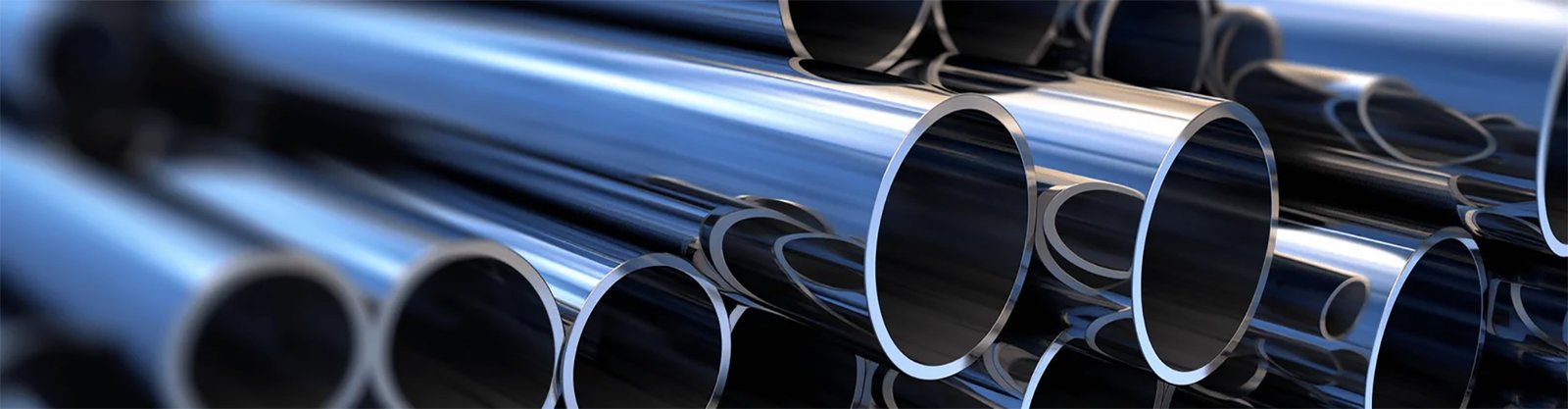
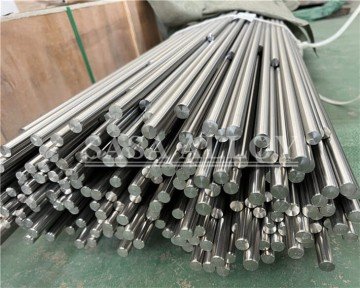
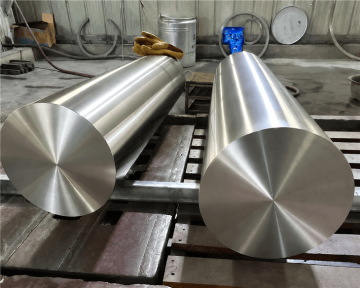
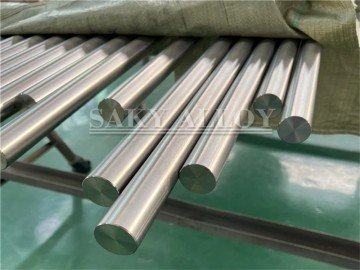
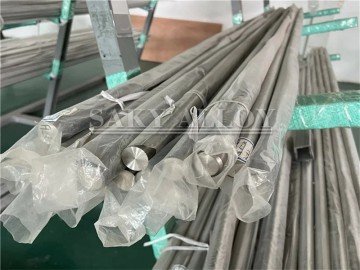
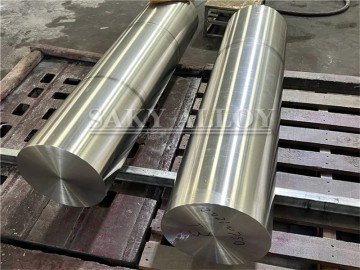
Titanium bars are solid metal rods made from titanium or its alloys. Known for their high strength-to-weight ratio, corrosion resistance, and ability to withstand extreme temperatures, titanium bars are widely used in aerospace structural components, fasteners, and engine parts.
Key Properties of Titanium Bars
-
High Strength-to-Weight Ratio – Titanium offers similar strength to steel but at about 45% of the weight.
-
Corrosion Resistance – Exceptional resistance to seawater, chemicals, and atmospheric conditions.
-
Temperature Stability – Maintains mechanical properties at both high and low temperatures.
-
Biocompatibility – Safe for use in human-contact applications, which is beneficial for aerospace life-support systems.
-
Fatigue Resistance – Ideal for components subjected to cyclic loading.
Understanding Graphite Rods
Graphite rods are made from carbon in a crystalline form, offering unique properties such as high thermal resistance and low density. They are used in aerospace for specific functions like electrical discharge machining (EDM) electrodes, thermal protection systems, and lubrication components.
Key Properties of Graphite Rods
-
Lightweight – Graphite is significantly lighter than metals, which is valuable for weight reduction in aerospace designs.
-
High-Temperature Resistance – Maintains structural integrity in extremely high temperatures, such as those encountered in re-entry vehicles.
-
Lubricating Properties – Reduces friction in moving parts without additional lubrication.
-
Electrical Conductivity – Suitable for electrical and thermal management systems.
-
Brittleness – Less impact-resistant compared to metals.
Titanium Bar in Aerospace Applications
1. Airframe Components
Titanium bars are machined into landing gear parts, wing spars, and fuselage frames, providing strength and corrosion resistance while reducing overall aircraft weight.
2. Engine Parts
Used in compressor blades, discs, and casings due to high temperature and fatigue resistance.
3. Fasteners
Critical bolts, nuts, and pins are often made from titanium bars to ensure long-lasting durability under vibration and load.
Graphite Rods in Aerospace Applications
1. Thermal Protection Systems
Graphite is used in ablative shields and nose cones of spacecraft, withstanding extreme heat from atmospheric re-entry.
2. Electrical Discharge Machining (EDM)
Graphite rods serve as EDM electrodes to manufacture complex aerospace parts from hard metals.
3. Bearings and Seals
Self-lubricating graphite components reduce friction in specialized aerospace systems, especially where traditional lubrication is impractical.
Performance Comparison
| Property | Titanium Bar | Graphite Rod |
|---|---|---|
| Density | ~4.5 g/cm³ | ~1.8–2.2 g/cm³ |
| Strength | Very high (comparable to steel) | Low to moderate |
| Corrosion Resistance | Excellent | Excellent (chemically inert) |
| Temperature Resistance | Up to ~600°C (alloys can go higher) | Above 3000°C in non-oxidizing environments |
| Machinability | Moderate (requires specialized tools) | Easy to machine |
| Electrical Conductivity | Low | High |
| Impact Resistance | High | Low |
| Cost | High | Moderate to high (specialized grades) |
Advantages of Titanium Bars in Aerospace
-
Superior structural strength
-
Excellent fatigue and corrosion resistance
-
Long service life in critical load-bearing components
-
High compatibility with composite structures
Advantages of Graphite Rods in Aerospace
-
Exceptional thermal resistance in specific environments
-
Lightweight for non-structural applications
-
Self-lubricating for maintenance-free operation
-
Good machinability for custom parts
Limitations of Titanium Bars
-
Higher cost compared to other aerospace metals
-
More difficult and expensive to machine
-
Limited electrical conductivity
Limitations of Graphite Rods
-
Brittle and prone to fracture under impact
-
Oxidizes at high temperatures in the presence of oxygen
-
Lower tensile strength compared to metals
Choosing Between Titanium Bars and Graphite Rods
Use Titanium Bars When:
-
The component requires high mechanical strength and fatigue resistance.
-
Structural load-bearing capacity is essential.
-
Long-term exposure to corrosive or marine environments is expected.
-
Weight reduction is needed without compromising strength.
Use Graphite Rods When:
-
High-temperature stability in a non-oxidizing environment is the main requirement.
-
The part requires electrical conductivity or self-lubricating properties.
-
The component is non-structural but requires thermal or electrical performance.
Cost Considerations
Titanium is more expensive due to raw material extraction and machining costs, but its longevity often offsets initial expenses in critical aerospace components. Graphite rods may have lower upfront costs but require careful design to avoid mechanical failure, which could increase maintenance expenses.
Industry Trends and Material Innovations
The aerospace sector is exploring hybrid solutions that combine titanium and graphite advantages. For example, titanium structures reinforced with graphite composites can achieve exceptional performance in both mechanical and thermal aspects.
Companies like sakyalloy supply high-performance titanium bars optimized for aerospace applications, ensuring reliability and compliance with industry standards.
Future Outlook
Advances in manufacturing technologies such as additive manufacturing (3D printing) are enabling more efficient use of titanium and graphite materials, reducing waste and improving design flexibility. Additionally, protective coatings for graphite are expanding its use in oxidizing environments, while new titanium alloys are pushing the limits of temperature resistance.
Conclusion
Both titanium bars and graphite rods hold important places in aerospace engineering, each excelling in different areas. Titanium bars are unmatched for structural strength, corrosion resistance, and fatigue performance, making them indispensable in load-bearing parts. Graphite rods shine in high-temperature, low-weight, and lubrication-critical applications.
The choice ultimately depends on the specific requirements of the aerospace component, including mechanical demands, environmental exposure, and budget constraints. By understanding their distinct properties and applications, aerospace engineers can make informed material selections that maximize safety, performance, and cost efficiency. Partnering with experts like sakyalloy ensures access to premium-grade materials tailored to mission-critical needs.