
Titanium Clad Copper Bar: Conductivity and Corrosion Resistance Combined
Introduction
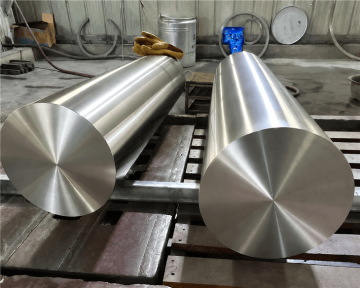
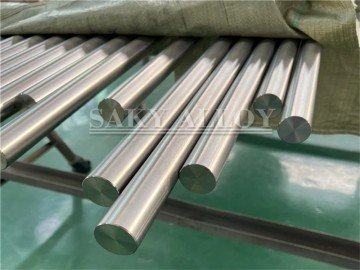
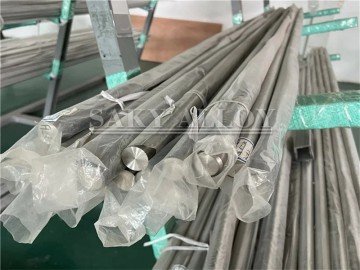
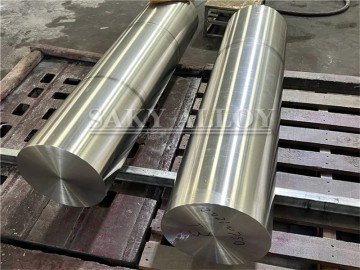
Titanium Clad Copper Bar is a composite metal bar that combines a copper core for high electrical conductivity with an outer titanium layer for corrosion resistance. It is mainly used in electrolysis, electroplating, hydrometallurgy, chlor-alkali systems, copper foil production, wastewater treatment and electrochemical equipment where the material must carry current efficiently while resisting acid, chloride or oxidizing environments. To specify it correctly, buyers should confirm copper grade, titanium grade, cladding thickness, bar size, bonding method, electrical requirement, surface condition, inspection standard, certificate requirement and final application.
The main advantage of titanium clad copper bar is material efficiency. Pure titanium has excellent corrosion resistance but relatively low electrical conductivity, while pure copper has excellent conductivity but poor corrosion resistance in many chemical environments. By combining both metals, titanium clad copper bar provides a practical solution for conductive anode hanger bars, bus bars, electrode connectors and electrochemical current-carrying components.
SAKY ALLOY supplies titanium clad copper bars, titanium clad copper rods, titanium clad copper bus bars, titanium anodes, titanium plates, titanium bars, titanium tubes and customized titanium alloy products with material certificates, dimensional inspection, bonding quality inspection, export packaging and delivery support for global industrial customers.
What Is Titanium Clad Copper Bar?
Titanium clad copper bar is a bimetallic composite product made by metallurgically or mechanically bonding titanium to a copper core. The copper core provides the main current-carrying function, while the titanium outer layer protects the bar from corrosive media. In many electrochemical systems, the titanium surface is exposed to the working environment, while the copper core improves conductivity and reduces voltage loss.
Common titanium materials used for the outer layer include Grade 1 and Grade 2 commercially pure titanium. Common copper core materials include T2 copper, C11000 electrolytic tough pitch copper and other high-conductivity copper grades. The final performance depends on cladding thickness, bonding quality, copper purity, titanium surface quality and fabrication accuracy.
Product Data Table For Titanium Clad Copper Bar
| Item | Typical Specification | Buyer Check Point |
|---|---|---|
| Product Name | Titanium Clad Copper Bar / Titanium Copper Composite Bar | Confirm whether the product is used as bus bar, hanger bar or electrode connector. |
| Outer Layer | Titanium Grade 1 / Grade 2 | Confirm titanium grade according to corrosion environment. |
| Core Material | T2 Copper / C11000 Copper / High Conductivity Copper | Confirm copper conductivity and chemical purity. |
| Shape | Flat bar, round bar, square bar, rectangular bar, custom profile | Provide drawing if holes, slots, bending or machining are required. |
| Cladding Thickness | Customized according to application and corrosion allowance | Confirm minimum titanium layer thickness and tolerance. |
| Surface Condition | Pickled, bright, polished, machined or custom surface | Surface should match electrochemical contact and corrosion requirements. |
| Inspection | Dimension, bonding quality, visual inspection, electrical performance if required | Define acceptance criteria before production. |
Chemical Composition
Titanium clad copper bar contains two functional materials: the titanium cladding layer and the copper core. The titanium layer is selected for corrosion resistance, especially in chloride-containing, acidic and electrochemical environments. The copper core is selected for high electrical conductivity. Both materials should be verified by material certificate and chemical composition data.
| Material Layer | Common Grade | Main Elements | Typical Chemical Requirement | Function In Composite Bar |
|---|---|---|---|---|
| Titanium Outer Layer | Grade 1 / UNS R50250 | Ti, O, Fe, C, N, H | Commercially pure titanium with very low interstitial elements. | Excellent corrosion resistance and good ductility. |
| Titanium Outer Layer | Grade 2 / UNS R50400 | Ti, O, Fe, C, N, H | Commercially pure titanium with higher strength than Grade 1. | Corrosion protection with better mechanical strength. |
| Copper Core | T2 Copper / C11000 | Cu, O, trace impurities | High copper purity for electrical conductivity. | Current carrying and low electrical resistance. |
| Composite Interface | Ti-Cu Bonding Zone | Titanium and copper bonded interface | No obvious delamination, voids or poor bonding areas. | Ensures stable service and mechanical integrity. |
Final chemical composition should be confirmed according to the applicable titanium and copper material standards, purchase order and actual Material Test Certificate. For electrochemical use, copper purity and titanium surface quality are both important.
Mechanical And Electrical Properties
Titanium clad copper bar is not selected only for tensile strength. Its most important performance is the combined function of copper conductivity and titanium corrosion resistance. Buyers should review mechanical properties, cladding thickness, bonding strength, straightness, dimensional tolerance and electrical conductivity requirement according to the final service condition.
| Performance Item | Titanium Layer | Copper Core | Composite Bar Result | Buyer Check |
|---|---|---|---|---|
| Electrical Conductivity | Low compared with copper | Very high conductivity | Good current carrying performance with corrosion-resistant surface. | Confirm current load, voltage drop and copper core size. |
| Corrosion Resistance | Excellent in many chloride and oxidizing media | Limited in many corrosive media | Titanium surface protects copper core from corrosive environment. | Confirm medium, temperature, pH and service condition. |
| Mechanical Strength | Moderate strength depending on grade | Good ductility and conductivity | Suitable for hanger bars, bus bars and support components. | Confirm load, support distance and installation method. |
| Bonding Quality | Must remain attached to copper core | Must provide stable conductive base | Good bonding avoids delamination during service. | Request bonding inspection or sample approval if required. |
Applicable Standards And Certificates
Titanium clad copper bar is often produced according to customer drawings and technical agreements because it is a functional composite product. Buyers should specify titanium and copper base material standards separately, and also define composite requirements such as cladding thickness, bonding quality, dimensions, surface finish and inspection method.
| Material / Product | Common Grade | UNS / Designation | Typical Standard Reference | Certificate Check |
|---|---|---|---|---|
| Titanium Layer | Titanium Grade 1 | UNS R50250 | ASTM B265 / ASTM B348 depending on product form | Chemical composition, mechanical properties and heat number. |
| Titanium Layer | Titanium Grade 2 | UNS R50400 | ASTM B265 / ASTM B348 depending on product form | Strength, chemical composition and corrosion application suitability. |
| Copper Core | C11000 / T2 Copper | C11000 / project designation | ASTM B152, ASTM B187 or applicable copper standard | Copper purity, conductivity and dimensional accuracy. |
| Composite Bar | Ti-Clad Cu Bar | Customized composite product | Customer drawing / technical agreement / project specification | Cladding thickness, bonding quality, size and surface inspection. |
For project procurement, certificates may include titanium MTC, copper MTC, composite product inspection report, dimension report, bonding quality inspection, electrical performance record and third-party inspection report. EN 10204 3.1 certificate support can be discussed according to the material and order requirements.
Quality Testing And Material Traceability
Quality control for titanium clad copper bar should focus on both raw material and composite performance. The titanium and copper materials must meet grade requirements, while the finished composite bar must meet bonding, dimensional and surface requirements. Heat number control, batch traceability and anti-fake material control are important when the bars are used in electrochemical plants and long-term industrial systems.
| Inspection Item | Purpose | Buyer Check |
|---|---|---|
| Raw Material MTC | Confirms titanium and copper chemical composition and grade. | Check titanium grade, copper grade, heat number and certificate data. |
| Cladding Thickness Inspection | Ensures corrosion allowance and service life. | Confirm minimum titanium layer thickness and tolerance. |
| Bonding Quality Inspection | Checks the bonding condition between titanium and copper. | Request inspection method and acceptance criteria before order. |
| Dimensional Inspection | Confirms width, thickness, diameter, length, hole position and machining size. | Provide drawings for customized bars or bus bar components. |
| Surface Inspection | Checks scratches, cracks, delamination marks, stains and exposed copper. | Important for corrosive and electrochemical service. |
| Third-party Inspection | Supports project approval and pre-shipment verification. | SGS, BV, TUV or customer-designated inspection can be arranged if required. |
Comparison With Similar Materials
Titanium clad copper bar is often compared with pure copper bar, pure titanium bar, titanium anode material and stainless steel conductive components. The correct choice depends on conductivity, corrosion resistance, current load, service medium, fabrication method and project cost.
| Material | Conductivity | Corrosion Resistance | Cost / Design Note | Best Use |
|---|---|---|---|---|
| Titanium Clad Copper Bar | High due to copper core | Excellent due to titanium surface | Balanced solution for conductive and corrosive service. | Electrolysis, electroplating, bus bars and anode hanger bars. |
| Pure Copper Bar | Very high | Limited in corrosive media | Lower cost but may corrode quickly in harsh environments. | Electrical systems without strong corrosion exposure. |
| Pure Titanium Bar | Low compared with copper | Excellent | Higher electrical resistance may increase energy loss. | Corrosion-resistant structures and titanium anode substrates. |
| Stainless Steel Bar | Low to moderate | Good but limited in many chloride or acid systems | Economical but not ideal for high-conductivity corrosive service. | General structural or moderate corrosion applications. |
Industrial Applications
Titanium clad copper bar is mainly used in electrochemical systems where electrical conductivity and corrosion resistance are required at the same time. It is often used as a conductive support, current distributor, electrode connector or hanger bar in harsh process environments.
| Industry | Application | Main Benefit | Specification Focus |
|---|---|---|---|
| Electrolysis | Anode hanger bars, conductive supports, current distribution bars | High conductivity with corrosion-resistant titanium surface. | Copper core size, cladding thickness and bonding quality. |
| Electroplating | Bus bars, electrode connectors, conductive bars | Reduced voltage loss and better service life in plating solutions. | Surface condition, hole position and current load. |
| Hydrometallurgy | Electrowinning and refining system components | Resistance to acidic electrolyte with efficient current transfer. | Corrosion medium, titanium grade and copper conductivity. |
| Copper Foil Production | Conductive bars and electrochemical equipment supports | Stable current distribution and corrosion-resistant surface. | Dimensional tolerance and surface cleanliness. |
| Wastewater Treatment | Electrochemical treatment equipment, electrode connection parts | Longer life in corrosive and oxidizing water treatment environments. | Medium, temperature, current and installation design. |
How To Specify Titanium Clad Copper Bar For RFQ
A complete RFQ helps the supplier confirm the correct structure, production method and inspection scope. Because titanium clad copper bar is often customized, buyers should provide drawings whenever possible. Important details include titanium grade, copper grade, overall size, titanium layer thickness, length, quantity, hole size, machining requirement, current load, working medium and certificate requirement.
| RFQ Field | Example | Why It Matters |
|---|---|---|
| Titanium Grade | Titanium Grade 1 or Grade 2 | Determines corrosion resistance and mechanical behavior of the outer layer. |
| Copper Core | T2 Copper / C11000 Copper | Controls electrical conductivity and current carrying capacity. |
| Size | 30 mm × 50 mm × 3000 mm, or as drawing | Affects conductivity, load capacity and installation design. |
| Titanium Layer Thickness | Customized, such as 1 mm, 2 mm or project requirement | Determines corrosion allowance and service life. |
| Processing Requirement | Cutting, drilling, slotting, bending, machining | Ensures the bar fits actual installation and equipment design. |
| Working Environment | Acid, chloride, electrolysis bath, plating solution | Helps confirm titanium grade, cladding thickness and service suitability. |
| Certificates | MTC, dimension report, bonding inspection, third-party inspection | Supports project approval and traceability. |
Why Choose Titanium Clad Copper Bar?
Titanium clad copper bar is chosen because it solves two problems at the same time: copper provides efficient current conduction, while titanium protects the bar from corrosion. This makes it especially valuable for electrochemical equipment where pure copper may corrode quickly and pure titanium may cause higher electrical resistance.
For industrial buyers, the key purchasing value is not only the material combination, but also the reliability of the bonding layer, dimensional accuracy, certificate support and export packing. A well-specified titanium clad copper bar can reduce energy loss, improve service life and lower maintenance frequency in demanding electrochemical systems.
FAQ
What is titanium clad copper bar?
Titanium clad copper bar is a composite metal bar with a copper core and titanium outer layer. The copper core provides high electrical conductivity, while the titanium layer provides corrosion resistance.
What is titanium clad copper bar used for?
It is used in electrolysis, electroplating, hydrometallurgy, copper foil production, wastewater treatment, electrochemical equipment, anode hanger bars, bus bars and electrode connectors.
Why not use pure copper bar?
Pure copper has excellent conductivity, but it may corrode quickly in acid, chloride or oxidizing electrochemical environments. Titanium cladding protects the copper core and extends service life.
Why not use pure titanium bar?
Pure titanium has excellent corrosion resistance, but its electrical conductivity is much lower than copper. Titanium clad copper bar provides better current carrying performance while keeping a corrosion-resistant titanium surface.
What information should I provide for quotation?
Please provide titanium grade, copper grade, overall size, titanium cladding thickness, length, quantity, drawing, machining requirement, working medium, current load, certificate requirement and destination port.
Can titanium clad copper bar be customized?
Yes. Titanium clad copper bar can be customized by size, shape, cladding thickness, length, hole position, machining method and surface condition according to customer drawings and equipment requirements.
Related Titanium Products
SAKY ALLOY also supplies related titanium and titanium alloy products for electrochemical, chemical processing, marine, aerospace and industrial applications. Buyers can select suitable product forms according to the equipment design and corrosion environment.
| Related Product | Common Grades | Typical Application |
|---|---|---|
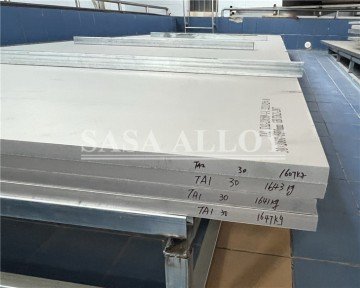
| Titanium Plate | Grade 1, Grade 2, Grade 5, Grade 7 | Chemical equipment, anode substrates, heat exchangers and marine parts. |
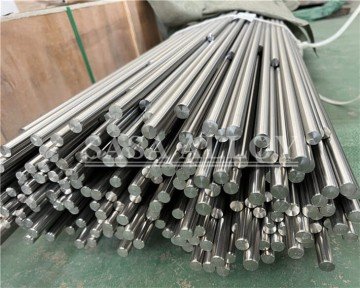
| Titanium Bar | Grade 2, Grade 5, Grade 7, Grade 12 | Machined parts, fasteners, shafts, electrodes and structural components. |
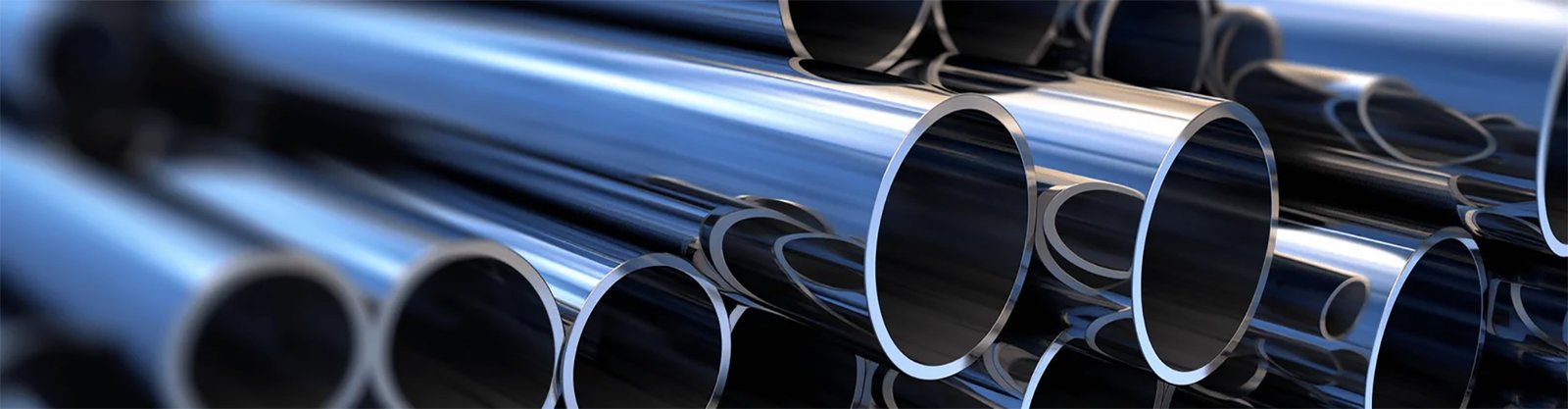
| Titanium Tube | Grade 2, Grade 7, Grade 12 | Heat exchangers, condensers, chemical pipelines and seawater systems. |
| Titanium Wire | Grade 1, Grade 2, Grade 5 | Welding, springs, medical parts, mesh and industrial components. |
Conclusion
Titanium clad copper bar is a practical composite material for electrochemical and corrosion-resistant conductive applications. It combines the high electrical conductivity of copper with the excellent corrosion resistance of titanium, making it suitable for electrolysis, electroplating, hydrometallurgy, wastewater treatment, copper foil production and related industrial systems.
To specify titanium clad copper bar correctly, buyers should confirm titanium grade, copper grade, cladding thickness, bar size, bonding quality, current load, working medium, machining requirement, certificates, packing and delivery schedule. SAKY ALLOY can support customized titanium clad copper bar supply with technical review, inspection documentation and export packaging.
Call To Action
Contact SAKY ALLOY for titanium clad copper bar quotation, MTC, customized sizes, cladding thickness confirmation, bonding inspection, surface finish, export packaging and delivery support.
Please send your titanium grade, copper grade, size, cladding thickness, drawing, quantity, working medium, current requirement, certificate requirement and destination port. Our technical team will help confirm the suitable titanium clad copper solution for your project.